Buhari Femi Fatai
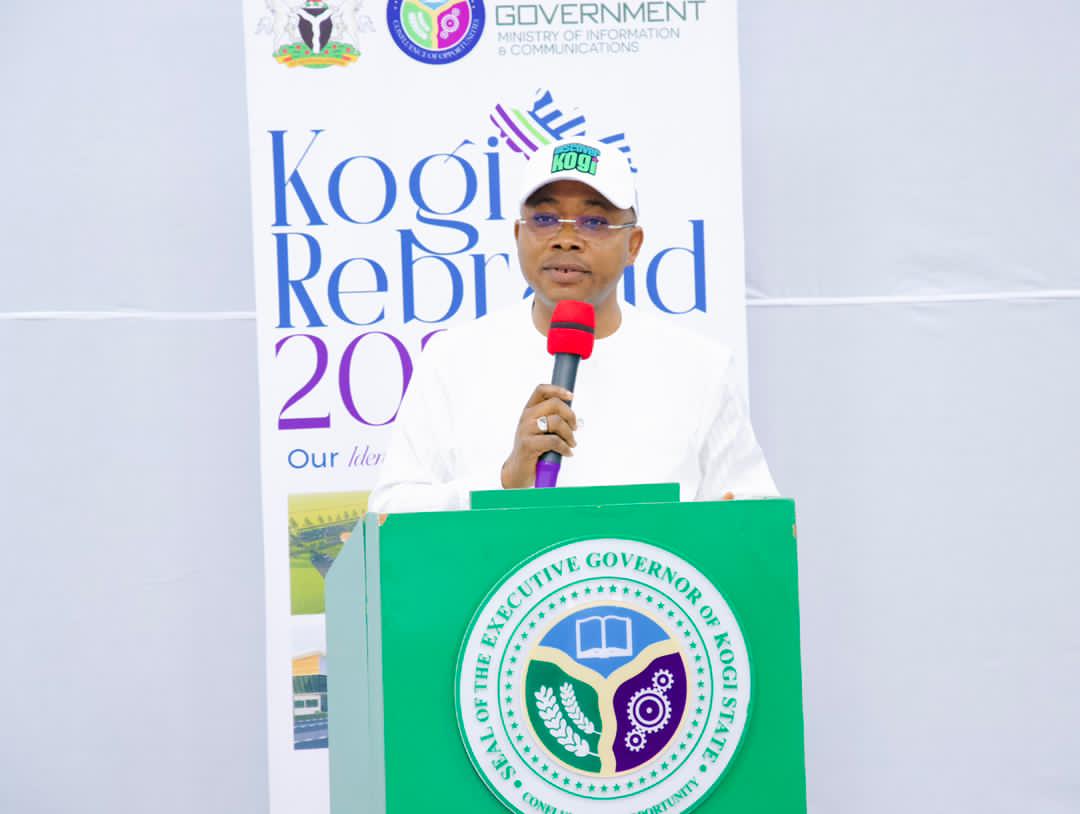
Kogi State, celebrated for its rich history and vibrant cultural heritage, is embarking on a transformative journey that seeks to redefine its identity as a beacon of sustainable development and modern living. At the forefront of this change is the administration of His Excellency Governor Ahmed Usman Ododo through the Ministry of Rural and Energy Development, which is implementing a series of impactful projects designed to enhance the quality of life for rural dwellers while positioning the state as an emerging hub of innovation.
Significant strides have been made in strengthening the electricity infrastructure and improving power reliability across all three senatorial districts. One of the ministry’s key achievements has been the installation of 120 distribution transformers and 8 power transformers throughout the state. This initiative, alongside the laying of 9,000 meters of 3000mm² and 8,200 meters of 1800mm² I-core XLPE cables, mmarks a pivotal milestone in addressing the power challenges that many communities face. This focused effort ensures a steady supply of electricity, which is essential for both domestic and commercial activities. In doing so, the state government is not merely providing electricity; it is fueling local businesses and empowering residents to seize new opportunities.
In recognition of the importance of renewable energy, the Kogi State government has also embraced the future by installing a 300KW hybrid solar system, complemented by a substantial 600kWh battery storage capacity. These systems have been strategically deployed at key locations, including Radio Kogi, Mount Patti, the Toll Gate, and the medical store in Lokoja. This investment underscores the state’s commitment to clean energy and a greener future, enabling communities and institutions to leverage sustainable resources that are both innovative and environmentally friendly.
Furthermore, the establishment of the Kogi State Electricity Regulatory Commission (KEDC) serves as a testament to the state’s dedication to enhancing power delivery standards. With this regulatory body in place, residents can expect improved accountability and a higher quality of service in how electricity is managed and distributed throughout the state.
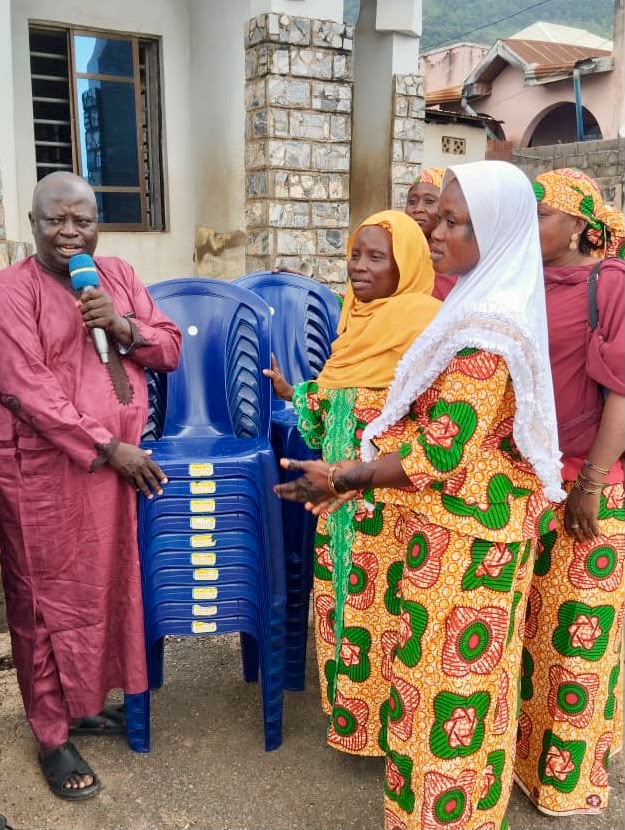
The ongoing construction of three major rural markets—Aku Market in Adavi LGA, Aiyegunle Market in Kabba Bunu LGA, and Ajaka Market in Igalamela LGA—reflects a holistic approach to economic development. These markets provide invaluable spaces for local farmers and artisans to sell their goods, serving as vital centers of commerce that facilitate a steady flow of goods and services, invigorating local economies and fostering community interaction.
Infrastructural development remains a priority for the government. The construction of farm-to-market roads, along with an expansive network of 315 kilometers of roadways, signifies the ministry’s commitment to enhancing the agricultural sector and ensuring easier access for farmers to reach their markets. These roads not only improve agricultural productivity but also open up new avenues for trade and commerce across the region.
As Kogi State embarks on this journey of rebranding, the initiatives undertaken by the Ministry of Rural and Energy Development stand as a beacon of the possibilities that lie ahead. By strategically improving the energy landscape and enhancing community resources, Kogi State is well on its way to establishing itself as a vibrant and self-sustaining state.
In conclusion, the path toward rebranding Kogi State is paved with determination, innovation, and a clear vision for the future. As these projects continue to unfold, they promise not only to elevate the quality of life for residents.
In fact, even for rural traders who previously struggled, this administration has positioned Kogi as a state that embraces progress , sustainability and opportunities for all