Kogi PHCDA Boss Tasks Health Workers on Accurate Commodity Quantification, Facility Assessment

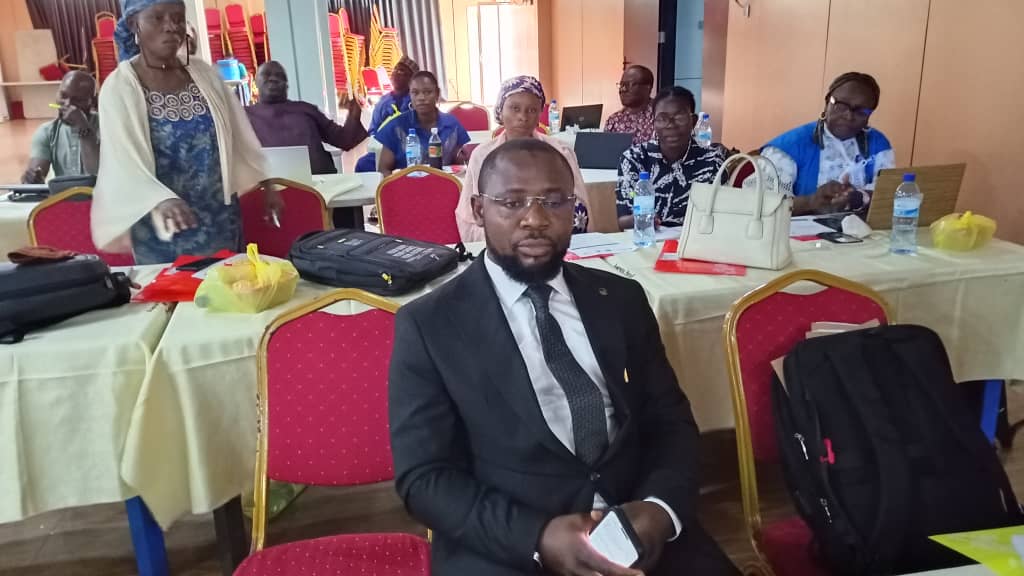
By Joseph Adama PRO, KSPHCDA The Executive Director of the Kogi State Primary Health Care Development Agency (KSPHCDA), Dr. Muazu Omeiza Musa, has charged participants at the ongoing annual state-level quantification training on Family Planning and Maternal, Newborn and Child Health (MNCH) commodities to take the exercise seriously and translate the knowledge acquired into measurable improvements in healthcare delivery across the state. Dr. Muaza gave the charge during the annual state-level quantification exercise for Family Planning and MNCH commodities held at Ayonete Hotels and Suites, Lokoja. He stressed that the training should not be treated as a routine activity, but as a critical capacity-building exercise designed to strengthen the ability of health workers to accurately determine commodity requirements, assess facility needs, plan effectively and ensure the continuous availability of essential health products at service delivery points. According to him, effective commodity quantification is fundamental to a functional primary healthcare system because it provides the evidence required for procurement, distribution, budgeting and supply-chain planning. He explained that proper quantification must be based on reliable consumption data, service utilisation patterns, demographic information and accurate stock records to enable the state to forecast future commodity requirements and prevent both shortages and unnecessary accumulation. The KSPHCDA boss further highlighted the importance of the HOPE-PHC programme, noting that the initiative places strong emphasis on facility readiness, commodity availability, supply-chain management and the effective use of facility-level data in assessing the capacity of primary healthcare centres to deliver quality services. Dr. Muazu explained that the HOPE-PHC …

By Joseph Adama
PRO, KSPHCDA

The Executive Director of the Kogi State Primary Health Care Development Agency (KSPHCDA), Dr. Muazu Omeiza Musa, has charged participants at the ongoing annual state-level quantification training on Family Planning and Maternal, Newborn and Child Health (MNCH) commodities to take the exercise seriously and translate the knowledge acquired into measurable improvements in healthcare delivery across the state.

Dr. Muaza gave the charge during the annual state-level quantification exercise for Family Planning and MNCH commodities held at Ayonete Hotels and Suites, Lokoja.

He stressed that the training should not be treated as a routine activity, but as a critical capacity-building exercise designed to strengthen the ability of health workers to accurately determine commodity requirements, assess facility needs, plan effectively and ensure the continuous availability of essential health products at service delivery points.

According to him, effective commodity quantification is fundamental to a functional primary healthcare system because it provides the evidence required for procurement, distribution, budgeting and supply-chain planning.

He explained that proper quantification must be based on reliable consumption data, service utilisation patterns, demographic information and accurate stock records to enable the state to forecast future commodity requirements and prevent both shortages and unnecessary accumulation.

The KSPHCDA boss further highlighted the importance of the HOPE-PHC programme, noting that the initiative places strong emphasis on facility readiness, commodity availability, supply-chain management and the effective use of facility-level data in assessing the capacity of primary healthcare centres to deliver quality services.

Dr. Muazu explained that the HOPE-PHC programme is designed to strengthen Nigeria’s primary healthcare system by improving access to quality essential health services, enhancing facility readiness, ensuring commodity availability, strengthening supply-chain systems and addressing critical gaps that limit access to healthcare.

He noted, however, that the success of such interventions goes beyond the provision of commodities, stressing that health facilities must also have the capacity to properly document, monitor and demonstrate what commodities are available, what is being consumed and what additional resources are required.

He therefore urged participants to understand their responsibilities within the broader healthcare supply chain and ensure that information generated at facility level is accurate, timely, complete and verifiable.

The Executive Director also tasked participants with developing practical mechanisms for the proper assessment of health facilities, particularly in relation to commodity availability, consumption patterns, stock levels and overall readiness to provide essential services.

He noted that effective commodity management is directly linked to the ability of primary healthcare facilities to provide uninterrupted services to women, newborns and children.

Dr. Muazu consequently called on the participants to take ownership of the quantification process and make meaningful contributions toward building a stronger, more responsive and sustainable primary healthcare system in Kogi State.

He reaffirmed the commitment of the KSPHCDA to strengthening the state’s primary healthcare system through improved planning, evidence-based decision-making, effective commodity management and continuous capacity development of health workers.

Kogi State Government

Kogi State Government

Related Posts

Leave a Reply

Your email address will not be published. Required fields are marked *