By Salawu Nneka Patience
Stakeholders in Nigeria’s agricultural sector have called for massive investment, technology-driven innovation, stronger institutional collaboration and improved support for farmers as critical measures to achieving food security and transforming the country’s agrifood system.
The call was made at the opening of the 2026 National Agricultural Show, organised by the National Agricultural Foundation of Nigeria (NAFN), which brought together government officials, farmers’ associations, private-sector operators, research institutions, development partners and other stakeholders to examine strategies for repositioning agriculture as a major driver of economic growth.
Held under the theme, “Building a Resilient Nigerian Agrifood System: Empowering Farmers, Mobilizing Investment and Driving Innovation for Food Security and Shared Prosperity,” the event focused on the need to move Nigerian agriculture beyond subsistence production towards a commercially viable, technology-driven and investment-oriented sector.
In her welcome address, the National Coordinator of NAFN, Hajiya Aisha Rufai Ibrahim, described the annual agricultural show as an important national platform for showcasing innovations, exchanging knowledge, attracting investment and strengthening partnerships across the agricultural value chain.
She said achieving food security required a coordinated approach involving farmers, policymakers, researchers, investors and other critical stakeholders, urging participants to use the gathering to develop practical solutions to the challenges confronting the sector.
Representing Nasarawa State Governor, Engr. Abdullahi Sule, the Commissioner for Agriculture, Hon. Mohammed Iyimoga Oyigye, reaffirmed the state’s commitment to agricultural transformation, describing the sector as central to economic diversification, employment generation and sustainable development.
He said Nigeria could harness its vast agricultural potential through deliberate policies, sustained investment, modern technology and stronger collaboration between government and private-sector players.
The governor called for increased support for smallholder farmers through access to quality inputs, affordable financing, modern equipment, improved seedlings, extension services and reliable markets.
He also advocated a shift from subsistence farming to commercially driven agriculture capable of boosting domestic food production, creating wealth and expanding opportunities in agro-processing and exports.
On the challenges confronting the sector, he identified climate change, insecurity, rising production costs and inadequate infrastructure as issues requiring coordinated interventions.
He stressed the need for increased investment in mechanisation, irrigation, climate-smart farming, research and innovation, as well as storage, processing, transportation and marketing infrastructure to reduce post-harvest losses and improve farmers’ earnings.
The governor commended NAFN for sustaining the National Agricultural Show and urged participants to translate the opportunities provided by the event into practical actions that would improve productivity, empower women and youths and strengthen national food security.
Delivering a goodwill message on behalf of the Dangote Group, Ahmed Hashim underscored the importance of private-sector participation in agricultural development, particularly in mobilising capital, expanding agribusiness operations and unlocking investment opportunities across the value chain.
The Director-General and Chief Executive Officer of the Nigerian Meteorological Agency (NiMet), Prof. Charles Anosike, highlighted the importance of weather information and climate services in modern agriculture.
He said timely weather forecasts, climate information and early-warning systems were essential to helping farmers plan their activities, minimise climate-related risks and improve productivity.
Similarly, the Executive Secretary of the Agricultural Research Council of Nigeria (ARCN), represented by the Director of Agricultural Extension, Prince Durogbitan Olubade, emphasised the importance of agricultural research, extension services and technological innovation.
He called for stronger linkages between research institutions and farmers to ensure that scientific discoveries and improved agricultural technologies translate into practical benefits for producers.
The Director-General of the National Agricultural Business Group (NABG), Jafar Abubakar Umar, advocated a more business-oriented agricultural sector, stressing the need for an enabling environment that would attract private investment, expand markets and support sustainable agribusiness enterprises.
He noted that transforming Nigerian agriculture required commercially viable production systems backed by effective policies, infrastructure and sustained investment.
Also speaking, the Executive Secretary of the National Agricultural Development Fund (NADF), Dr Vincent Isegbe, identified accessible and sustainable financing as a major requirement for unlocking the sector’s enormous potential.
He stressed the need for funding arrangements that would support farmers, agribusiness operators and other players across the agricultural value chain.
The National President of the All Farmers Association of Nigeria (AFAN), Hon. Muhammad Magaji Gettado, called for deliberate policies and practical interventions that would place farmers at the centre of the country’s agricultural transformation agenda.
He said Nigeria’s food security aspirations would remain difficult to achieve without addressing the persistent challenges confronting farmers, including inadequate access to affordable inputs, credit facilities, improved seeds, mechanisation, extension services, storage facilities and reliable markets.
Gettado maintained that farmers must not only be recognised as the backbone of the agricultural economy but also empowered with the resources, infrastructure and institutional support required to increase production and earn sustainable incomes.
He further called for stronger partnerships among farmers’ organisations, government agencies, financial institutions, research institutions and private investors to ensure that agricultural policies produce measurable improvements in farmers’ livelihoods.
The opening ceremony climaxed with the keynote address and formal declaration of the show open on behalf of the Minister of Agriculture and Food Security, Senator Abubakar Kyari.
The minister, represented by the Director, Federal Department of Agriculture, Federal Ministry of Agriculture and Food Security, Alhaji Bukar Musa, reaffirmed the Federal Government’s commitment to strengthening agriculture as a foundation for national food security, economic resilience and sustainable development.
He said building a resilient agrifood system required more than increasing farm production, noting that attention must also be given to processing, storage, transportation, distribution, market access and the effective deployment of agricultural technologies.
He identified farmer empowerment, private-sector investment and innovation as essential pillars for addressing the country’s food security challenges.
The minister urged farmers, investors, research institutions, development partners and government agencies to utilise the agricultural show as a platform for knowledge exchange, technology transfer, meaningful engagement and strategic partnerships.
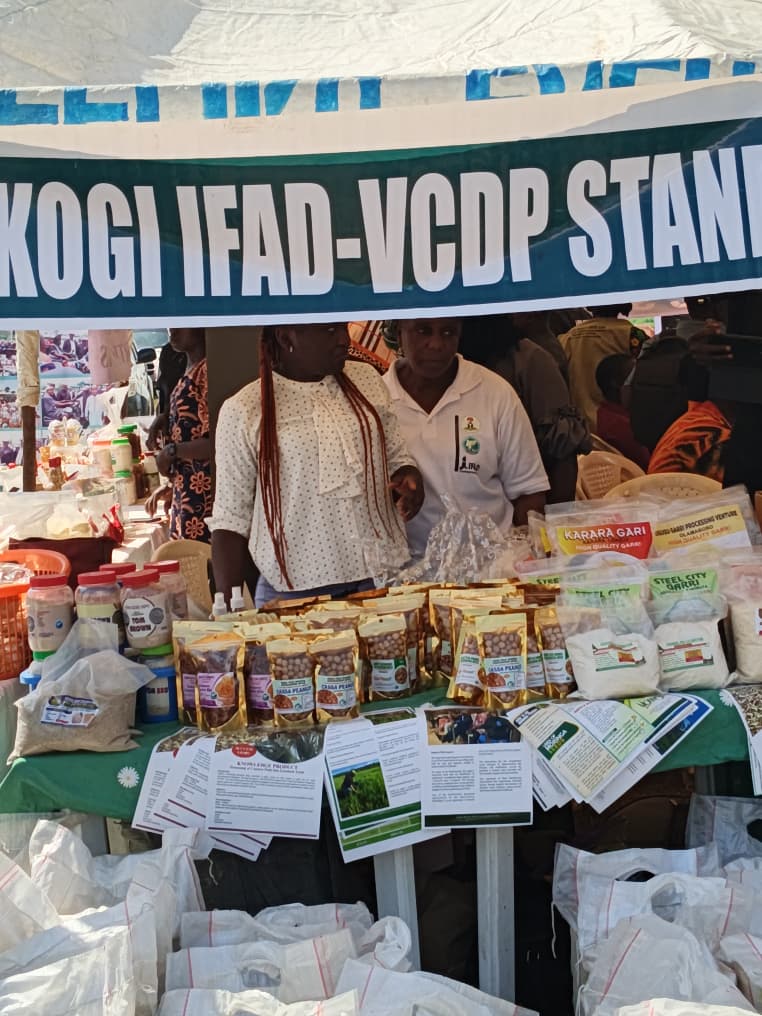
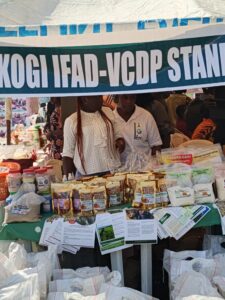
Beyond the opening ceremony, the 2026 National Agricultural Show provides an avenue for exhibitors to showcase agricultural products, machinery, technologies, innovations and investment opportunities while strengthening connections among producers, processors, marketers and investors.
In his vote of thanks, Alhaji Umaru Hassan appreciated the government, dignitaries, participating organisations, farmers, exhibitors, sponsors and other stakeholders for their contributions towards the success of the event.
He urged participants to sustain the spirit of collaboration beyond the show to advance the development of Nigeria’s agricultural sector.
The consensus at the opening ceremony was that achieving sustainable food security in Nigeria would require more than policy pronouncements. It would depend on sustained investment, empowered farmers, effective institutions, modern technology and a robust partnership between government and the private sector.