By Abah Benjamin Eneojoh
May 25, 2026
The Kogi State Government has called for the establishment of Anti-Internet Fraud Campaign Clubs in schools and tertiary institutions across the state as part of efforts to combat cybercrime and promote ethical values among young people.
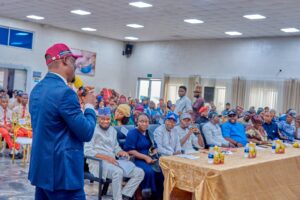
Governor of Kogi State, Ahmed Usman Ododo, made the call during the official flag-off of the Kogi Anti-Internet Fraud Campaign held at the Government House in Lokoja.
Represented by the Secretary to the State Government, Folashade Ayoade Arike, the governor stressed the need for parents, schools, religious institutions and community leaders to complement government efforts in addressing the growing challenge of internet fraud among youths.
According to her, moral upbringing and proper guidance remain critical in shaping responsible future leaders.

“You see young people confronting school authorities and engaging in unacceptable behaviour. The system is going bad and it is in our hands to correct it,” she said.
Quoting a Yoruba proverb, Ayoade warned that parents who fail to properly train their children risk losing everything they worked for in the future.
“A child you refuse to train while you focus only on building houses is the same child that will eventually sell those houses,” she added.
She urged parents to make sacrifices for the education and moral development of their children instead of encouraging them to seek quick wealth through illegal means.
“My mother sold pepper to train her children and today she is proud of us. Parents should invest in their children because genuine success lasts longer than wealth acquired through fraudulent activities,” she stated.

The SSG also proposed the creation of anti-fraud clubs in secondary schools, similar to anti-drug and social advocacy clubs, noting that the campaign should be taken directly to students in schools across the state.
“Let interested students form associations in their schools. Government will support initiatives that will help take this message to young people at the grassroots,” she said.
Earlier in his opening remarks, the Convener of the campaign and Senior Special Assistant to the Governor on Fraud and Internet Matters, Oluseyi Kelvin Eleta, said the initiative was designed to protect the image and future of Kogi State.
He commended Governor Ododo for supporting efforts aimed at discouraging cybercrime and criminality in the state.
Eleta described character development as essential in building a responsible society, warning that intelligence and talent become dangerous when not guided by integrity.
“Without good character, talent becomes dangerous, intelligence becomes destructive, and opportunity becomes abuse,” he said.

He noted that the digital space should be used for innovation, entrepreneurship, communication and investment rather than fraud and criminal exploitation.
According to him, wealth acquired through internet fraud only brings temporary gains but damages reputations, destroys families and exposes individuals to criminal prosecution.
“Kogi youths are gifted and energetic. They can excel in technology, agriculture, business, sports and entertainment without engaging in cybercrime,” he added.
The SSA also highlighted Kogi State’s strategic location, which borders nine states and the Federal Capital Territory, saying the position contributes to commercial growth but also makes the state vulnerable to criminal activities if not properly monitored.
He called for stronger collaboration among security agencies, schools, parents and civil society groups to curb the spread of cybercrime.
Speaking on behalf of the Independent Corrupt Practices and Other Related Offences Commission (ICPC), CP Nathaniel Diton delivered a lecture titled “Internet Fraud and the Nigerian Youth: The Way Forward.”
He explained the concept of the “fraud triangle,” which includes pressure, opportunity and rationalization, as major factors encouraging fraudulent behaviour.
Diton warned against defending corrupt practices based on ethnic or social sentiments, saying such attitudes encourage criminality.
He also urged young people to pursue ethical and legitimate means of making money rather than engaging in cybercrime.
He maintained that awareness campaigns remain effective despite concerns about their impact.
“Awareness is working and it is something government, civil society groups and security agencies must continue to sustain,” he said.
Also speaking at the event, Kogi State Commissioner for Information and Communications, Kingsley Fanwo, said the state should not be defined by internet fraudsters.
“We are intelligent, dynamic and hospitable people. That is the true identity of Kogi State,” he said.
Fanwo blamed some parents for indirectly encouraging internet fraud by accepting expensive gifts and luxury items from unemployed children without questioning the source of the money.
“When children who are doing nothing suddenly buy expensive cars and motorcycles and parents fail to ask questions, they become part of the problem,” he stated.
He called for expanded awareness campaigns through radio programmes and youth engagement initiatives, adding that the state government was developing innovation hubs where young people could channel their digital skills into legitimate ventures.
Fanwo made a cash donation of one hundred thousand naira to one of the students, Great Onize Suleiman of GYB Model School, for her outstanding performance during her presentation at the program.

During their goodwill messages, the Commissioner for Science, Technology and Innovation, Mrs. Helen Adebirimibe, alongside the Commissioner for Housing and Urban Development, Taiye Abanika, urged parents to make meaningful sacrifices for the well-being and future of their children.
The commissioners also encouraged youths to make positive and productive use of the internet by exploring opportunities that can improve their knowledge, skills, and personal development.
Student representatives from GYB Model School and Faith Academy also presented papers highlighting the dangers and consequences of internet fraud on individuals, families and society.
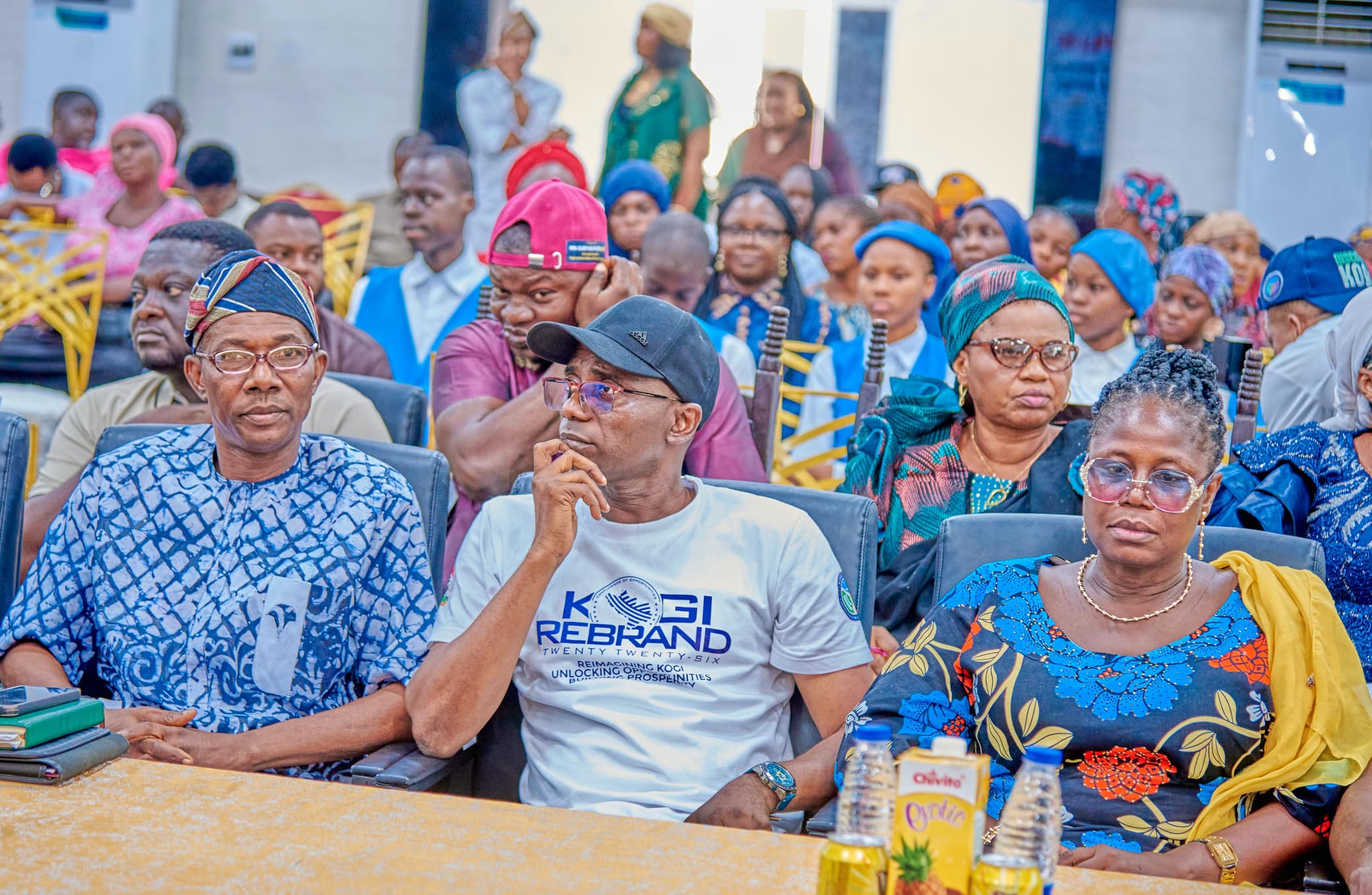
The event attracted government officials, students, security agencies, and education stakeholders, all united in the call for stronger moral values and collective action against cybercrime in Kogi State.