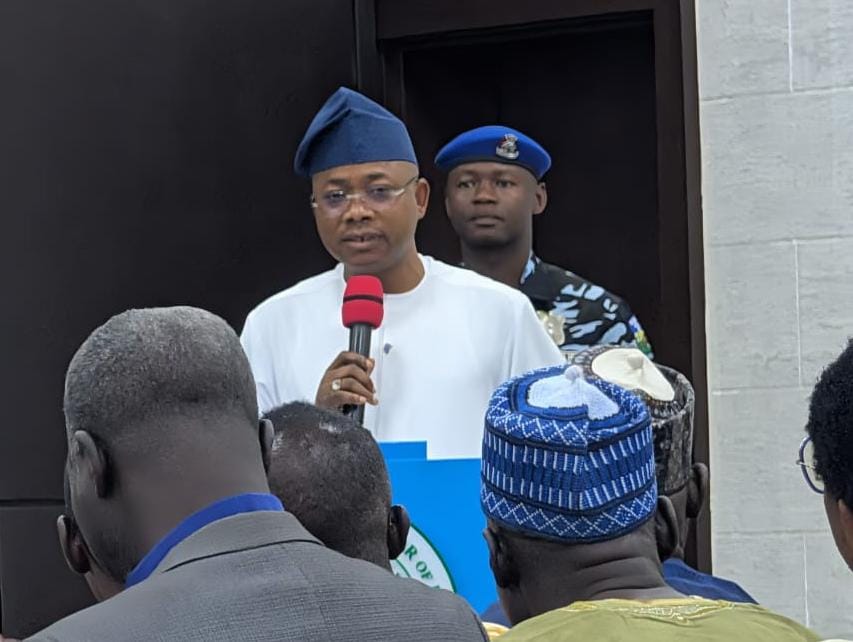
By Abubakar Shuaibu A.
As part of efforts to translate the objectives of Kogi Rebrand 2026 into tangible action, the Kogi State Government has inaugurated a State Culture and Tourism Committee to harness and promote the state’s rich cultural and tourism potential towards boosting economic growth and internally generated revenue.
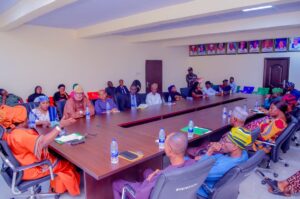
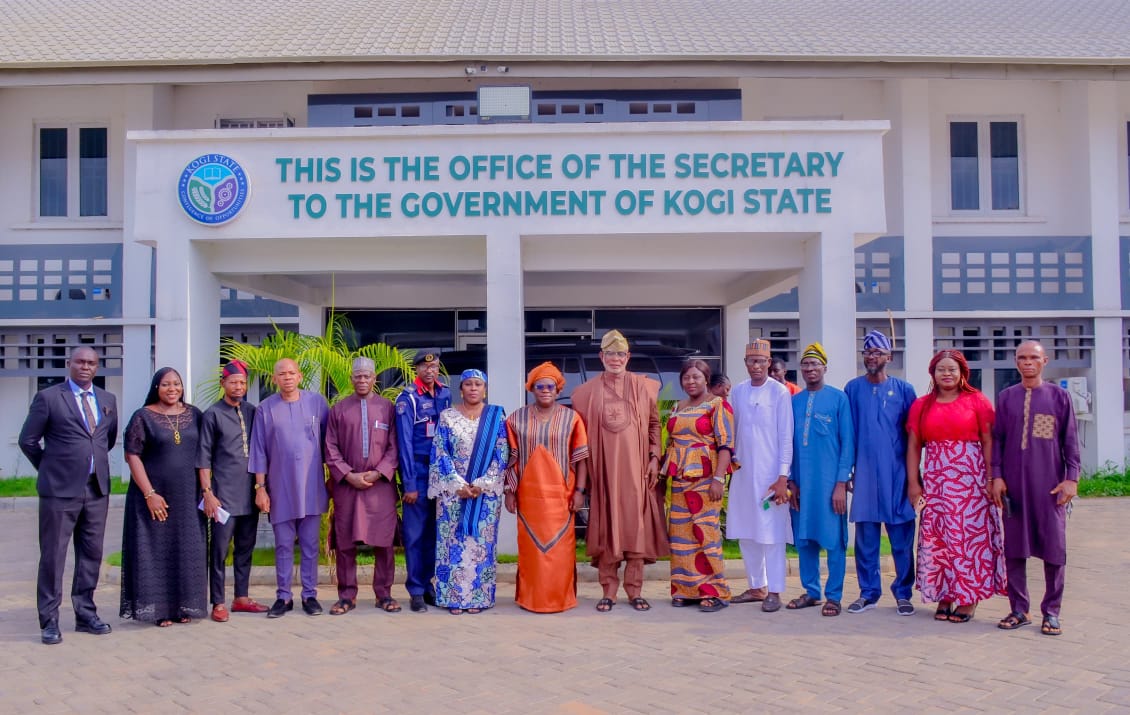
The inauguration of the Committee, held on Thursday at the Office of the Secretary to the Government of Kogi State (SGS) in Lokoja, is widely seen as one of the first practical steps towards implementing the vision of the Kogi Rebrand initiative themed: “Reimagining Kogi: Unlocking Opportunities and Building Prosperity.”
Speaking during the inauguration, the Secretary to the Government of Kogi State, Mrs. Folashade Arike Ayoade, Ph.D, charged members of the Committee to hit the ground running by developing practical proposals that would be presented to the State Executive Council for consideration.
The SGS emphasized the need for the Committee to promote Kogi’s cultural identity and tourism assets, including the development of a distinct indigenous fabric to be known as the “Kogi Fabric.”
“We should be proud of who we are and teach our children to speak our languages because in doing so, we preserve our rich culture and heritage,” she stated.
Mrs. Ayoade expressed appreciation to Governor Ahmed Usman Ododo, FCA, for approving the constitution of the Committee and urged members to work diligently to showcase Kogi State to the world and improve the state’s revenue potential through culture and tourism.
The Committee’s inauguration aligns with Governor Ododo’s broader vision of repositioning Kogi State as a destination of opportunities, investment, and prosperity.
At the AKK Business Development Forum held in Lokoja in November 2025, Governor Ododo described Kogi as a “Confluence of Pipelines, Prosperity and Opportunities,” while emphasizing that rebranding goes beyond slogans and public relations.
“Rebranding Kogi is not just about changing narratives; it is about aligning perception with reality. We are making steady progress across infrastructure, healthcare, education, agriculture and solid minerals,” the Governor had stated during the Kogi Rebrand launch.
Kogi State is home to several notable tourism and cultural attractions, including the confluence of Rivers Niger and Benue, the historic Mount Patti, the European Cemetery in Lokoja, the Ovia-Osese Festival in Ogori, the New Yam Festival in Ogidi-Ijumu, and the Eche-Ane masquerade festival celebrated across Ebira land.
Observers believe the newly inaugurated Committee will provide the needed framework for repositioning these cultural and tourism assets as drivers of economic development and public engagement.
In her opening remarks, the Commissioner for Culture and Tourism, Hajia Fatima Momoh, said the Committee would serve as a collaborative platform for stakeholders to work together towards developing competitive tourism products and delivering exceptional visitor experiences.
She commended Governor Ododo for approving the composition of the Committee and assured that members would work towards making Kogi a premier destination where culture thrives and tourism flourishes.
Also speaking, the General Manager of the Kogi State Hotels and Tourism Board, Prince Philip Orebiyi, assured that the Board was already taking steps to strengthen hospitality standards and promote tourism development across the state.
He expressed confidence that the efforts of the Committee and relevant stakeholders would soon yield visible results in the state’s culture and tourism sector.
The Committee is chaired by the Commissioner for Culture and Tourism, while the General Manager of the Hotels and Tourism Board will serve as Vice Chairman.
Members were drawn from relevant ministries, departments, agencies, and security institutions, including the Ministries of Local Government and Chieftaincy Affairs, Housing and Urban Development, Works, Commerce and Industry, Environment and Ecological Management, Justice, the Office of the SGS, National Inland Waterways Authority, the Nigeria Police Force, the Department of State Services, and the Nigeria Security and Civil Defence Corps, among others.