KSDMSMA adopts pooled procurement, last-mile delivery, backs Made-in-Nigeria drugs
By Rotimi Odofin
Kogi State is quietly rewriting the story of medicine access, affordability and supply security, with the state government adopting a coordinated procurement system designed to make quality drugs available, affordable and accessible to residents across the three senatorial districts.

At the centre of the emerging transformation is the Kogi State Drugs and Medical Supplies Management Agency (KSDMSMA), which, under the administration of Governor Alhaji Ahmed Usman Ododo, has moved away from fragmented drug purchasing towards a more unified and strategic supply-chain model.
The objective is straightforward but far-reaching: quality medicines at the right price, in the right quantity and at the right time—irrespective of where a patient seeks treatment in Kogi State.

The breakthrough is being driven through the Group Purchasing Framework (GPF), a coordinated procurement initiative involving 19 member Drugs Management Organisations across Nigeria and 30 pre-qualified suppliers supporting procurement across 81 essential healthcare commodity categories.
The framework was developed through collaboration among the Nigeria Health Commissioners’ Forum (NHCF), Forum of Drugs Management Agencies (DMAs), and Pharmaceutical Manufacturers Group of the Manufacturers Association of Nigeria (PMG-MAN), with facilitation by the African Resource Centre for Excellence in Supply Chain Management (ARC-ESM).

According to the GPF Mid-Year Implementation Report by ARC-ESM, ₦132.3 billion was deployed under the first coordinated annual pooled procurement exercise, creating a stronger collective purchasing position and providing the volume needed for improved price negotiations with pharmaceutical manufacturers.
For Kogi, the implications are significant.
Bulk purchasing and direct engagement with manufacturers are helping to secure better prices, improved quality assurance, agreed payment terms, faster delivery and more dependable supply, thereby reducing the perennial problem of medicine stock-outs.
The Executive Secretary of KSDMSMA, Pharm. Ibrahim Onize Salamat, with the backing of the Coordinating Commissioner for Health, Dr. Abdulazeez Adams Adeiza, has positioned the GPF as a major instrument for strengthening medicine security and building a more resilient health supply chain for the state.
Rather than allowing individual health facilities to operate largely as separate purchasing points, the new approach seeks to establish a more coordinated system capable of leveraging the purchasing power of the entire state.
FROM WAREHOUSE TO HOSPITALS
The reform is not stopping at procurement.
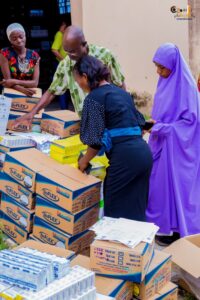
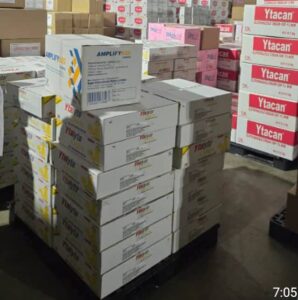
Through the Last Mile Delivery (LMD) approach, third-quarter supplies have already been delivered directly to hospitals and health institutions across Kogi Central, Kogi East and Kogi West.
The strategy is designed to eliminate unnecessary delays between procurement, distribution and the point where medicines are ultimately required—health facilities and patients.
A supply mop-up exercise is also ongoing to strengthen stock levels and ensure that facilities have adequate medicines to respond to patient needs.
The emerging system is therefore addressing two sides of the medicine-access challenge simultaneously: the cost of medicines and the reliability of their availability.
MADE-IN-NIGERIA GETS A BOOST
Beyond affordability and availability, Kogi’s medicine strategy is also aligning with the Federal Government’s drive to strengthen domestic pharmaceutical manufacturing.
The state is deliberately opening its procurement space to more Nigerian pharmaceutical companies, creating opportunities for local manufacturers while strengthening the country’s broader medicine-security architecture.
As of August 26, 2026, an additional 10 Nigerian pharmaceutical companies had been registered by the Bureau of Public Procurement in the state and pre-qualified by KSDMSMA to supply quality-assured medicines to public health facilities.
More pharmaceutical manufacturers are reportedly processing their membership and qualification requirements.
For Kogi, the policy carries a double advantage: expanding the pool of reliable medicine suppliers while supporting the growth of Nigeria’s domestic pharmaceutical industry.
FROM NATIONAL FORUMS TO KOGI’S HEALTH FACILITIES
KSDMSMA’s strategy has also been informed by active participation in national conversations around medicine security and supply-chain reform.
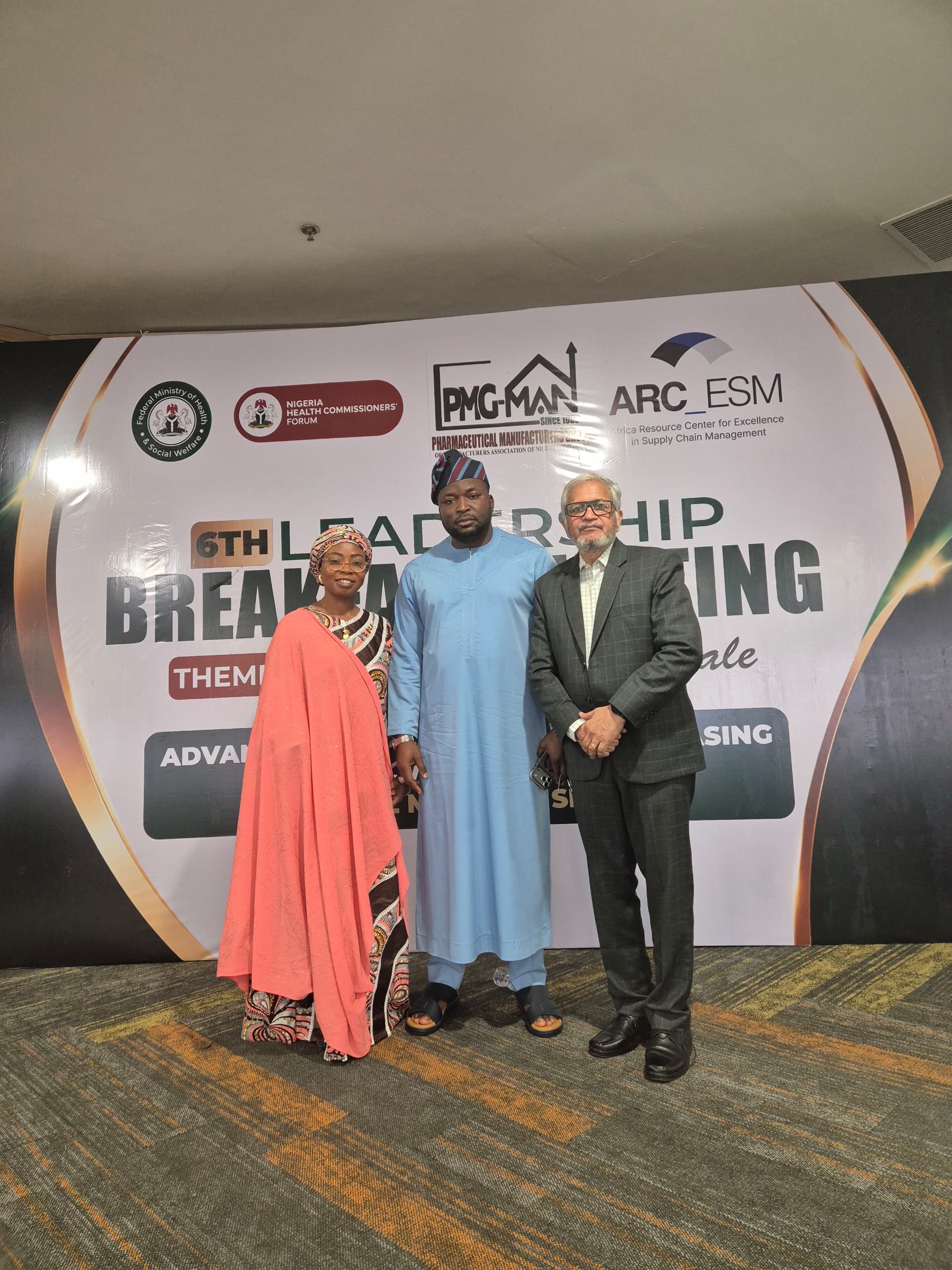
In 2026, the agency was represented at major national engagements, including the 6th Annual Leadership Breakfast Meeting in Abuja on Universal Medicine Security and the Nigeria Supply Chain Summit in Lagos, where stakeholders examined the future of medicine access and supply-chain management.
The engagements provide opportunities for Kogi to exchange knowledge, learn from emerging best practices and adapt successful approaches to the state’s own healthcare realities.
ONE PRICE, ONE SYSTEM, ONE KOGI
Perhaps the most ambitious aspect of the reform is the push for a single, centralised medicine supply-chain system across the state.
KSDMSMA is intensifying advocacy for full compliance by Heads of Health Institutions, in line with the broader policy direction of the Nigeria Governors’ Forum.
The ultimate target is a uniform pricing regime under which the same medicine would not be sold at significantly different prices simply because a patient moved from one public health facility to another.
From primary healthcare centres to secondary and tertiary institutions, the agency wants Kogi residents to benefit from a more transparent and predictable medicine pricing structure.
That ambition, if fully implemented, could represent one of the most consequential reforms in Kogi’s public health supply chain.
THE ROAD AHEAD
For KSDMSMA, the reform is not being presented as a destination but as the foundation for a stronger medicine-security system.
The agency’s focus remains clear: quality drugs must be available, affordable and accessible to every Kogi resident.
The combination of pooled procurement, stronger manufacturer relationships, last-mile delivery, tighter quality control, local pharmaceutical participation and centralised supply-chain management is creating what officials describe as a more efficient and resilient medicine ecosystem.
The agency has expressed appreciation to Governor Ahmed Usman Ododo for his commitment to strengthening the state’s health supply chain, as well as to the Coordinating Commissioner for Health, Dr. Abdulazeez Adams Adeiza, Heads of Health Institutions, KSDMSMA staff and the agency’s strategic partners.
Partners including PMG-MAN, ARC-ESM, NHCF, other Drugs Management Agencies and pharmaceutical distributors have all played roles in the evolving system.
If the momentum is sustained, the significance of the 2026 reforms could extend beyond simply putting more medicines on hospital shelves.
It could mean building a system in which a patient in Kogi East, Kogi Central or Kogi West has a better chance of finding the medicine they need, at a fairer price, with stronger assurance of quality—and without being forced to bear the burden of a fragmented supply chain.

For Kogi State, the message is increasingly clear:
Medicine security is no longer being treated as an afterthought. It is becoming a central pillar of the state’s healthcare reform agenda.