By Salawu Nneka Patience
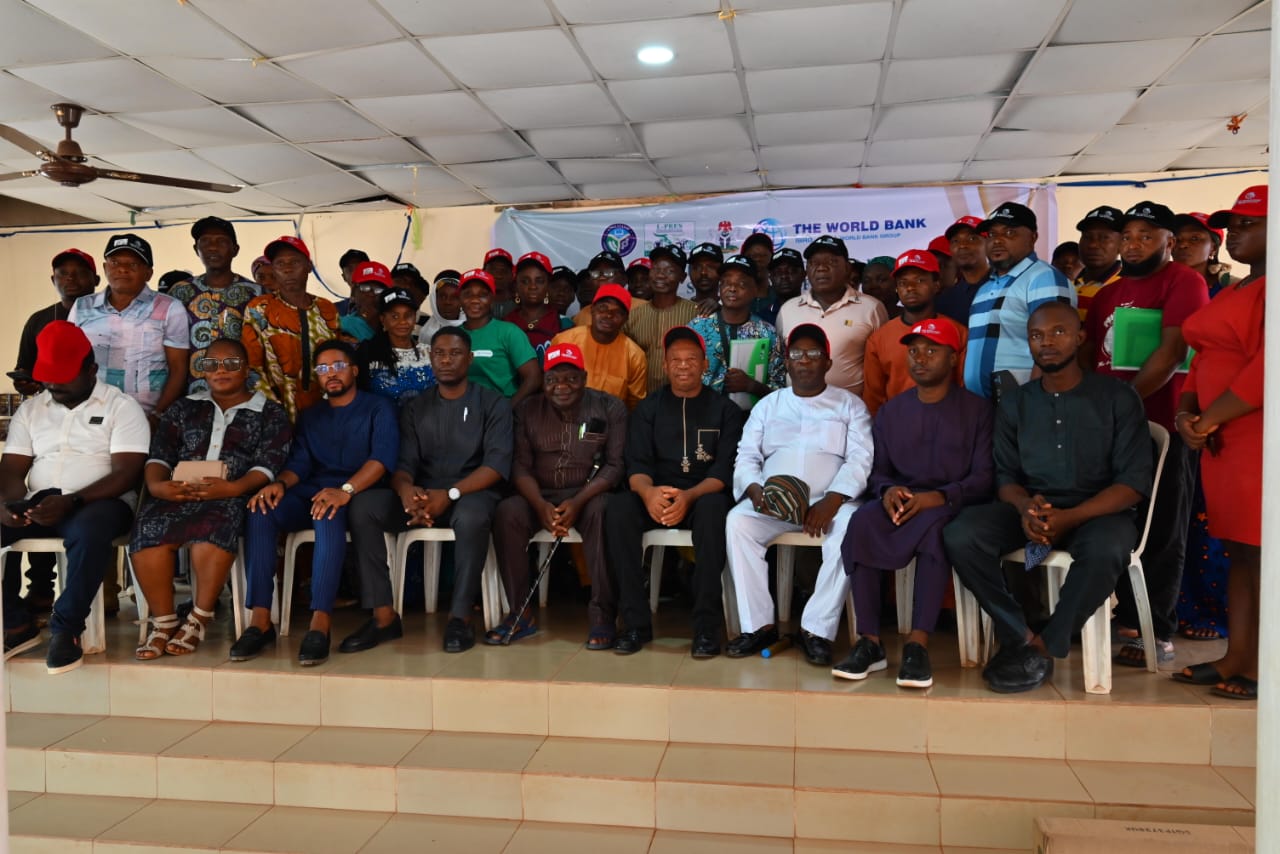
In a bid to strengthen the operational capacity, leadership structure and economic viability of livestock cooperative societies in the state, the Kogi State Livestock Productivity and Resilience Support (LPRES) Project has organised a comprehensive workshop and training programme for cooperative leaders in Okene, Anyigba and Lokoja.
The workshop, which brought together cooperative executives, livestock farmers, agribusiness stakeholders and development consultants from different parts of the state, focused on critical areas including agri-business financial management, cooperative governance and leadership, business planning, enterprise development and livestock cooperative business model development.
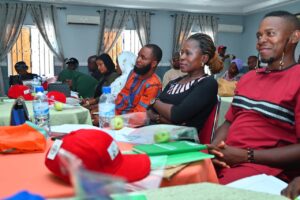
The training programme formed part of the broader objectives of the LPRES Project aimed at improving livestock productivity, enhancing resilience within the agricultural sector and promoting sustainable economic development through strengthened cooperative institutions.
Declaring the workshop open at the various training centres, Ms. Kadijat Ibrahim, who represented the State Project Coordinator of LPRES, Hon. Abdulkabir Onoruoiza Otaru, said the initiative was designed to equip livestock cooperative leaders with modern skills, practical knowledge and innovative management strategies capable of transforming their organisations into sustainable and competitive business entities.
She noted that cooperative societies remain critical drivers of economic growth, food security, employment generation and rural development, especially within the livestock value chain, adding that empowering their leaders with the right knowledge and leadership orientation was necessary for long-term sustainability and improved service delivery.
According to her, the LPRES Project is committed to supporting livestock farmers and cooperative societies through institutional strengthening, technical support, training and access to opportunities that would improve productivity and livelihoods across the state.
Ms. Ibrahim stressed that the workshop was carefully structured to address key challenges affecting many cooperative societies, including poor financial management, weak governance systems, inadequate business planning and leadership gaps.
She urged participants to actively engage in the sessions, interact with facilitators and utilise the opportunity to acquire practical solutions that would positively impact their organisations and members.
“Cooperative societies are strategic platforms for economic empowerment and community development. When leaders are equipped with the right knowledge in financial management, governance and enterprise development, the benefits extend beyond the cooperatives to the entire agricultural economy,” she stated.
The workshop featured intensive presentations and interactive sessions facilitated by experts and consultants with vast experience in agribusiness development, cooperative administration and enterprise management.
One of the lead facilitators, Dr. David Ameh, delivered a detailed lecture on agri-business financial management, where he extensively discussed the importance of prudent financial practices in sustaining livestock enterprises and cooperative organisations.
Dr. Ameh explained that financial discipline, accountability and proper record keeping are essential factors that determine the success or failure of cooperative societies.
According to him, many cooperative organisations encounter operational difficulties due to poor budgeting systems, inadequate financial planning, weak accountability structures and limited understanding of modern financial management practices.
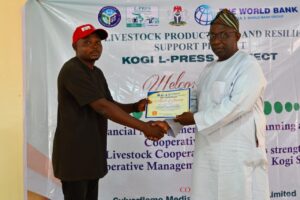
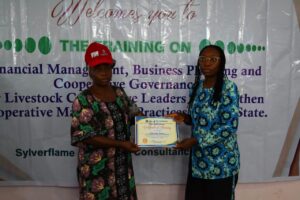
He said the objective of the training was to strengthen the capacity of cooperative leaders and improve their market competitiveness through sound financial management practices and sustainable enterprise strategies.
Dr. Ameh further emphasised that proper financial management would enable cooperatives to access grants, loans and development support opportunities while also improving transparency and trust among members.
He encouraged participants to embrace accountability and financial discipline in order to build strong and resilient cooperative institutions capable of withstanding economic challenges and market fluctuations.
Another facilitator, Mr. Owoicho Omachi, a consultant with Sylverflame Media and Consultancy Limited, presented a paper on cooperative governance and leadership.
In his presentation, he stressed the importance of good governance structures, responsible leadership and transparency in ensuring the growth and sustainability of livestock cooperatives.
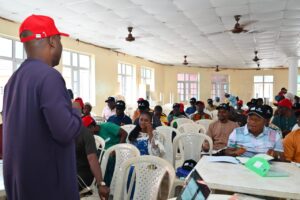
Mr. Omachi noted that leadership plays a central role in determining the effectiveness of cooperative societies, adding that poor governance and internal conflicts often weaken cooperative structures and reduce members’ confidence.
He explained that empowering livestock cooperatives through sound decision-making processes, transparency, accountability and effective conflict resolution mechanisms would significantly improve organisational performance and stability.
According to him, cooperative leaders must uphold democratic principles, promote inclusiveness and ensure that members actively participate in decision-making processes affecting their organisations.
He also highlighted the need for effective communication, teamwork and mutual trust among cooperative members as essential ingredients for sustainable development.
He further advised leaders to develop conflict management and negotiation skills that would enable them to peacefully resolve disputes, strengthen unity and maintain harmony within their associations.
Mr. Omachi urged participants to see leadership as a responsibility that requires integrity, fairness and commitment to collective progress rather than personal interests.
Also speaking during the workshop, the Lead Consultant of Sylverflame Media and Consultancy Limited, Dr. David Albert, delivered a presentation on business planning and enterprise development with emphasis on livestock cooperative business model development, financial sustainability and strategic growth.
Dr. Albert advised livestock farmers and cooperative members against consuming all their profits, stressing the importance of savings, reinvestment and prudent financial management for business expansion and long-term sustainability.
He also spoke on unlocking finance opportunities for livestock enterprises in Kogi State, encouraging cooperatives to maintain proper financial records, develop workable business plans and strengthen their governance systems to improve access to grants, loans and investment support.
The consultant further highlighted the need for effective financial risk management and strategic sustainability planning, noting that livestock cooperatives must adopt innovative business strategies capable of withstanding economic challenges, improving productivity and enhancing market competitiveness.
According to him, sustainable planning, value addition and proper enterprise management remain critical to building resilient and profitable livestock businesses across the state.
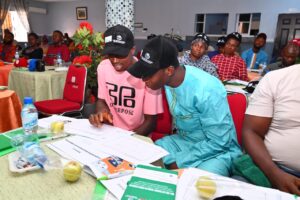
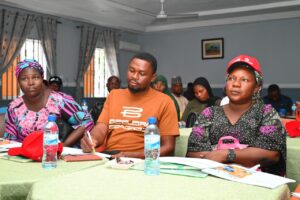
The workshop also featured practical engagements, group discussions and interactive sessions where participants shared experiences, identified major challenges confronting livestock cooperatives and proposed workable solutions for strengthening their organisations.
Participants described the training as timely, impactful and highly beneficial, noting that it exposed them to modern leadership principles, financial management techniques and business strategies necessary for effective cooperative administration.
Some of the participants expressed optimism that the knowledge and skills acquired during the workshop would help improve transparency, accountability and operational efficiency within their cooperative societies.
The workshop is expected to further strengthen livestock cooperative institutions, improve enterprise development and enhance the resilience and competitiveness of livestock farmers in Kogi State.