By Joseph Adama
PRO, KSPHCDA
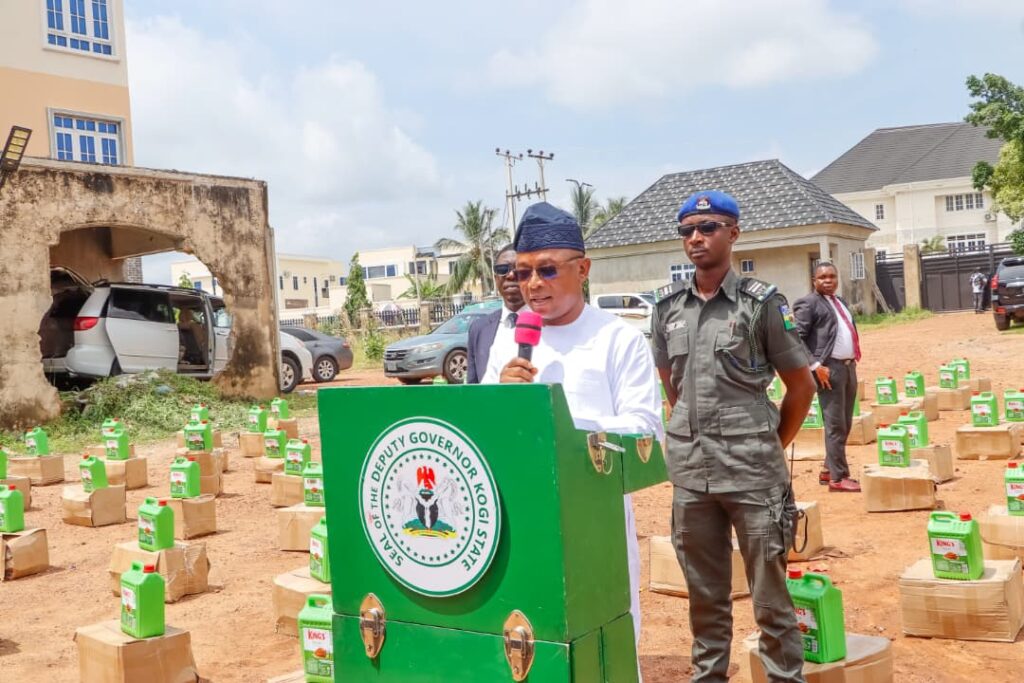
In a significant step towards tackling hunger, malnutrition, and food insecurity in Nigeria, the First Lady, Senator Oluremi Tinubu, flagged off the Renewed Hope Initiative’s National Community Food Bank Programme for the North Central Zone in Lokoja, Kogi State, on July 11, 2026.
This event positions Kogi State as a pacesetter in a national effort that integrates nutrition support with primary healthcare.
Nigeria faces persistent challenges of malnutrition, particularly among children under six, pregnant women, and nursing mothers.
The National Community Food Bank addresses this by providing nutritious, locally sourced food through a community-driven model.
Food banks are integrated into Primary Healthcare Centres (PHCs), combining food distribution with nutrition education, maternal care, and child health services.
This holistic approach is commendable. It moves beyond short-term relief to build long-term resilience by strengthening grassroots healthcare and local food systems.
The programme, supported by substantial pledges (including financial support from the private sector, governors, and federal intervention), uses a voucher system for targeted beneficiaries aligning with President Bola Ahmed Tinubu’s Renewed Hope Agenda.
Kogi State’s selection as the zonal host is no coincidence. The state’s prompt delivery of a “world-class” facility at Lokongoma, Lokoja, alongside other projects like the Senator Oluremi Tinubu Pension and Treasury House and the Kogi State Health Insurance Agency Headquarters — demonstrates proactive governance.
First Lady, Oluremi Tinubu praised Governor Ahmed Usman Ododo’s leadership for this purposeful infrastructure supporting vulnerable populations.
Kogi State stands out for several reasons and these include
Infrastructure Readiness — The state had functional structures in place, enabling swift implementation thus reflecting sustained investment in primary healthcare and social protection.
Governor Ahmed Usman Ododo and his team, including health officials like Dr. Abdulazeez Adams Adeiza and the Kogi State Primary Healthcare Development Agency under Dr. Muazu Omeiza Musa, worked effectively with Federal partners, traditional rulers, and other North Central governors to make the Programme a great one.
By targeting the most at-risk groups (children 0–6, pregnant and lactating mothers), the initiative promises measurable improvements in health outcomes and poverty reduction.
Early results from previous zonal launches (Northeast and Northwest) show families already benefiting.
Kogi’s central location and agricultural potential further amplify its role as a model for scaling the programme across the zone and beyond.
This flag-off represents more than a ceremonial event. It signals a shift towards integrated, community-owned solutions to systemic issues.
Success depends on key factors which are Transparency and accountability in distribution,
Strong community participation,
Sustained funding and partnerships (e.g., with the Bank of Agriculture as trust manager) and the State-level rollout across the North Central zone.
If Kogi maintains momentum, it could become a national reference point, inspiring other states to replicate the model.
Challenges like ensuring equitable reach in rural areas and monitoring nutritional impact must be addressed, but with the foundation remaining solid.
In conclusion, Kogi State is indeed blazing the trail. By hosting this zonal flag-off and delivering quality infrastructure, the state under Governor Ahmed Usman Ododo exemplifies how strategic leadership, Federal-State synergy, and people-centred policies can drive real progress.
This Renewed Hope Food Bank initiative offers hope for a healthier, more food-secure Nigeria making the nation one community at a time.
Other states should take note and accelerate their own implementations for nationwide impact. This is a positive development worth celebrating and supporting.