By Rotimi Odofin
The Kogi State Government under the leadership of Governor Ahmed Usman Ododo has intensified efforts to transform the state’s healthcare system, with renewed attention now focused on the upgrading and revitalisation of secondary healthcare facilities across the state.
The latest intervention is part of the administration’s broader healthcare reform agenda aimed at ensuring that residents have access to quality, functional and responsive healthcare services at all levels.
Having successfully revitalised and completed the renovation and upgrading of more than 88 Primary Healthcare Centres (PHCs), while work has also been undertaken on close to 200 additional primary healthcare facilities across communities in the state, the administration has continued to demonstrate that healthcare remains a major priority of its development agenda.
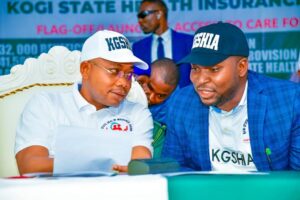
With significant progress recorded at the primary healthcare level, the government is now extending the same commitment to secondary healthcare facilities, recognising their critical role in providing more advanced medical services and serving as referral centres for patients from primary healthcare facilities.
Several secondary healthcare facilities across the state have already been assessed for upgrading and revitalisation, with intervention works already commencing in some locations, while others are at various stages of assessment and preparation.
Among the facilities receiving attention are:
– General Hospital, Okpo, Olamaboro Local Government Area — rehabilitation and upgrading work is ongoing.
– Zonal Hospital, Ankpa — assessment completed, with intervention expected to commence soon.
– Zonal Hospital, Kabba — assessment completed ahead of planned rehabilitation works.
– General Hospital, Oguma, Bassa Local Government Area — assessment completed, with work expected to commence soon.
The interventions are expected to improve infrastructure, strengthen service delivery and create a more conducive environment for healthcare workers and patients across the state.
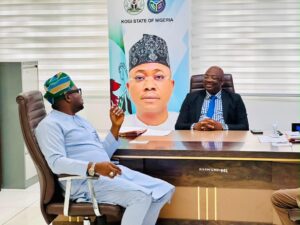
Health Commissioner Inspects Specialist Hospital
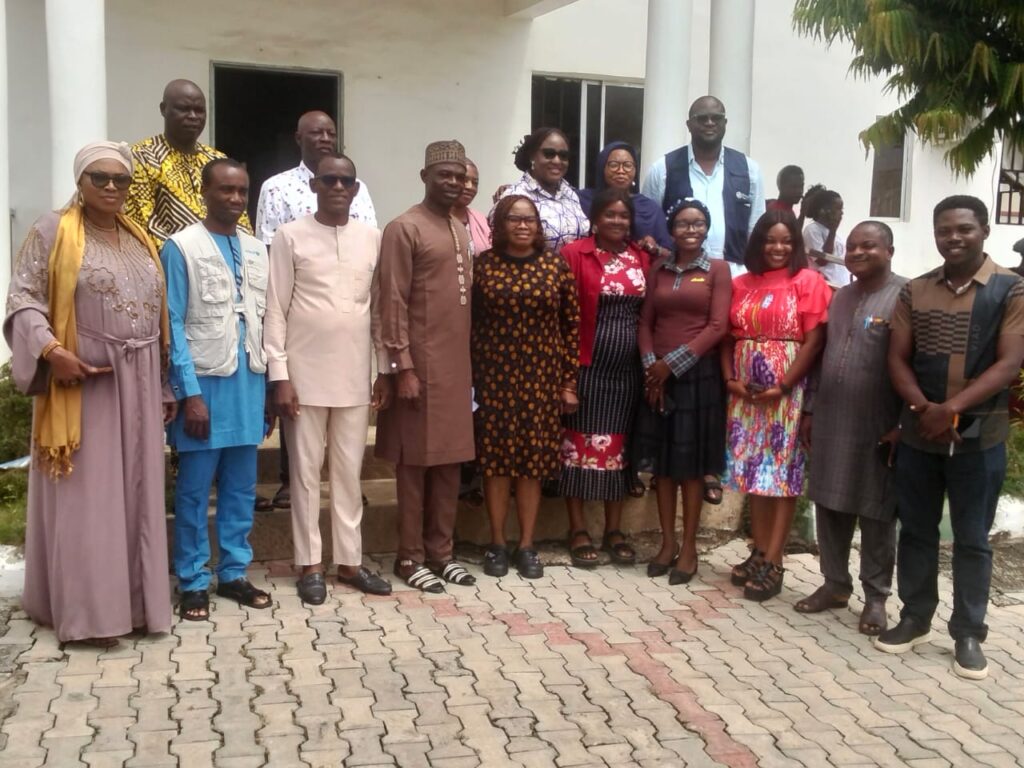
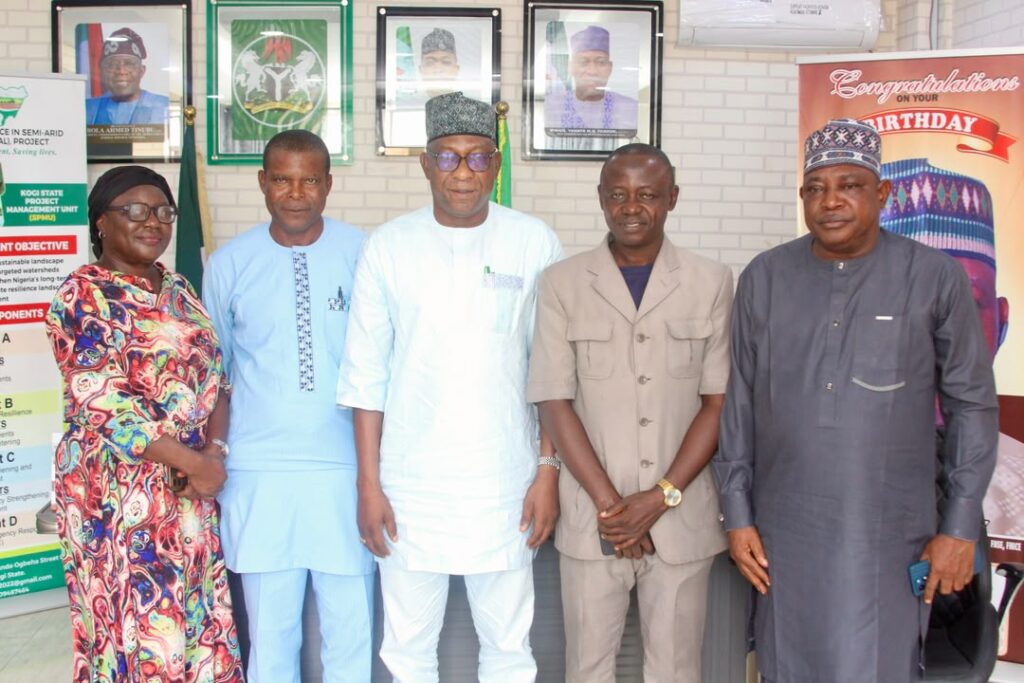
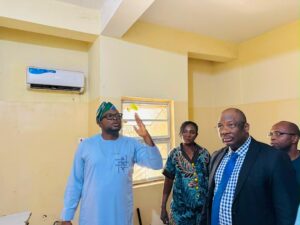
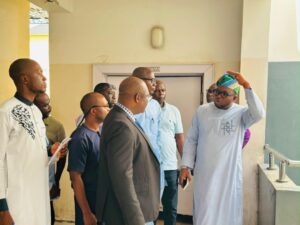
In continuation of efforts to identify areas requiring urgent government intervention, the Kogi State Commissioner for Health, Dr. Abdulazeez Adams Adeiza, recently paid a working visit to the Kogi State Specialist Hospital, Lokoja, where he inspected the hospital’s facilities and assessed its operational needs.
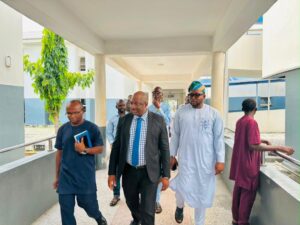
The Commissioner, accompanied by top officials of the Ministry of Health, embarked on a comprehensive tour of the facility to identify critical areas requiring immediate attention and further government support.
He was conducted around the hospital by the Chief Medical Director, Dr. Seyi Folagbade, alongside other key officials of the institution.
The inspection focused particularly on critical service areas that are central to emergency and specialist healthcare delivery, including the Accident and Emergency Unit, Emergency Paediatric Unit, Intensive Care Unit, Neonatal Intensive Care Unit, Labour Ward, Theatre and General Twin Theatre, among other facilities.
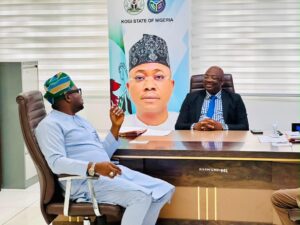
The assessment provided the Ministry with an opportunity to identify infrastructure, equipment and operational needs requiring further government intervention, with the ultimate objective of strengthening the hospital’s capacity to provide timely and quality care to residents.
Ododo Impressed, Directs Immediate Needs Assessment
Speaking during the visit, Dr. Abdulazeez conveyed the commitment of Governor Ahmed Usman Ododo to strengthening healthcare delivery across the state.
He said the Governor was highly impressed by the performance of the Specialist Hospital, Lokoja, and he is the knowing of the Ministry move to undertake a comprehensive assessment of the facility’s immediate needs.
According to him, the visit and inspection reflect the Governor’s determination to ensure that government-owned health institutions are adequately positioned to provide quality, efficient and responsive medical services to the people.
Dr. Abdulazeez also commended the management and staff of the hospital for their dedication, professionalism and valuable contributions to healthcare delivery in the state.
He conveyed the Governor’s appreciation to the hospital’s management and workforce, stressing that the administration remains deeply concerned about the health and wellbeing of the people of Kogi State.
The Commissioner’s visit therefore goes beyond routine inspection, reinforcing the administration’s approach of physically assessing healthcare facilities, identifying gaps and directing practical interventions where necessary.
Tertiary Facilities Also Receiving Attention
While the current focus on secondary healthcare facilities represents another phase of the administration’s health-sector transformation, tertiary healthcare institutions in the state have also continued to receive government support.
Institutions such as the CUSTECH Okene Teaching Hospital and the Prince Abubakar Audu University Teaching Hospital have continued to provide tertiary-level medical services to residents and are receiving attention as part of the government’s broader effort to strengthen the entire healthcare chain.
The administration’s strategy is therefore evolving beyond isolated interventions, with emphasis being placed on building a healthcare system in which primary, secondary and tertiary facilities complement one another.
The logic is simple: a strengthened primary healthcare system must be backed by functional secondary facilities capable of handling referrals, while tertiary institutions must remain equipped to manage more complex cases.
From the revitalisation of PHCs in communities to the planned upgrading of general and zonal hospitals and continued support for tertiary institutions, the emerging approach is aimed at creating a stronger referral system and improving access to quality healthcare across Kogi State.
The ongoing interventions also point to a broader shift in the state’s healthcare development strategy — from merely maintaining existing facilities to deliberately improving infrastructure, strengthening service capacity and positioning government hospitals to respond effectively to the changing healthcare needs of the population.
For the Ododo administration, the objective is clear: to build a healthcare system that is accessible to the people, responsive to their needs and capable of delivering quality services across all levels of care.
As the revitalisation of secondary facilities gathers momentum, the administration’s healthcare agenda is increasingly taking shape as a comprehensive effort to connect community-based primary care with stronger secondary and tertiary institutions, ultimately bringing quality healthcare closer to the people of Kogi State.