By Amodu Ojochogu Gloria
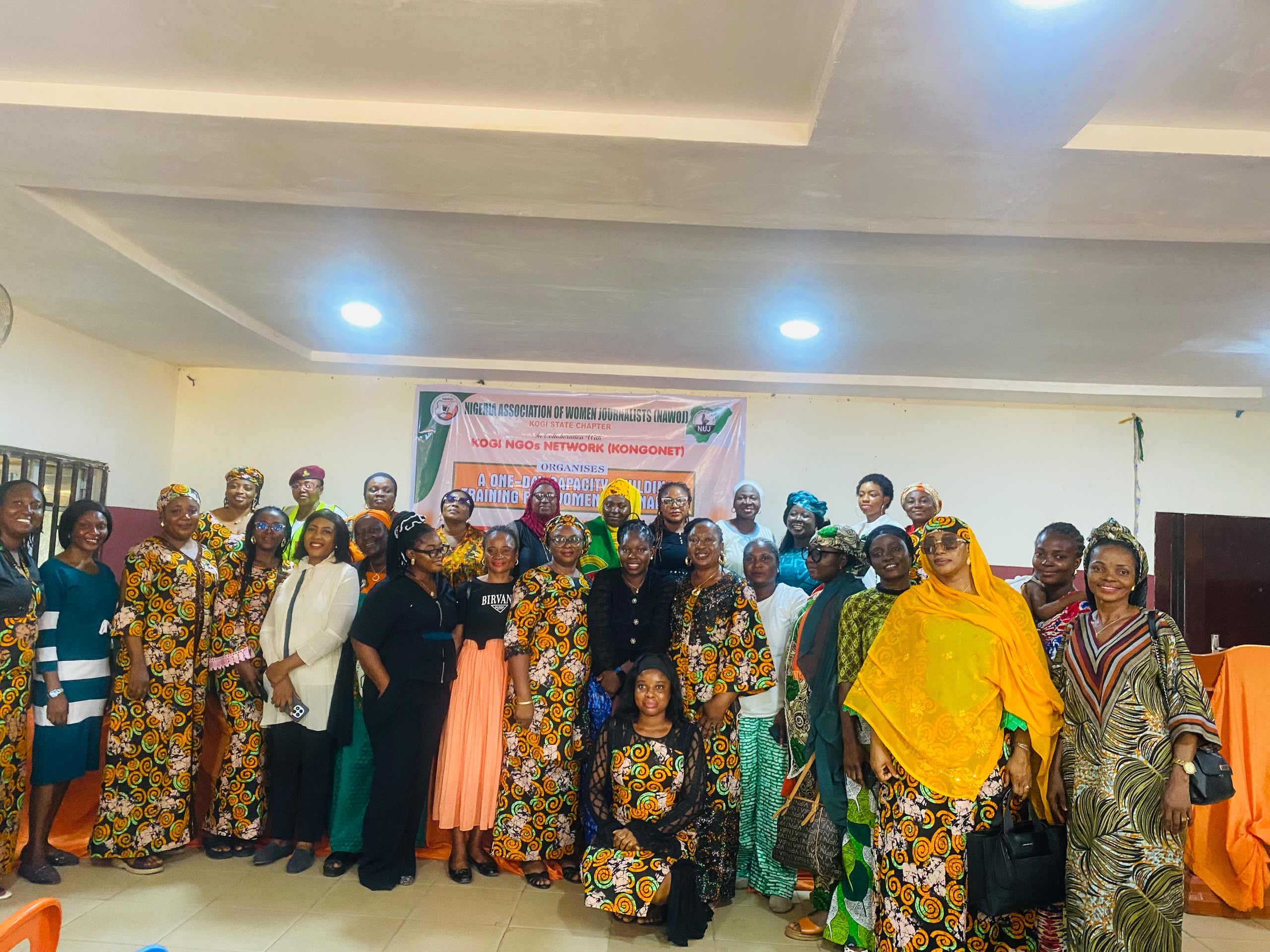
The Nigeria Association of Women Journalists (NAWOJ), Kogi State Chapter, in collaboration with the Kogi NGO Network (KONOGONET), has trained women journalists in the state on responsible and ethical reporting of gender-based violence (GBV) during elections.
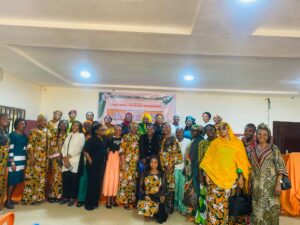
The one-day capacity-building training, held on Wednesday, October 7, 2026, in Kogi State, was themed: “Reporting Gender-Based Violence During Elections: Promoting Responsible, Ethical and Survivor-Centred Journalism.”
Declaring the training open on behalf of the Kogi State Commissioner for Information and Communications, Hon. Kingsley Femi Fanwo, the Director of Film and Archive in the ministry, Mrs. Mary Igiku, said elections should be about ideas, policies and the free choice of the people rather than violence, intimidation and other forms of electoral abuse.
She noted that women often experience unique forms of violence during electoral processes, including intimidation at polling units, sexual harassment during campaigns and online abuse targeted at female candidates and political participants.
According to her, many cases of gender-based violence remain under-reported, while some media reports inadvertently expose, stigmatise or blame survivors.
Fanwo therefore urged women journalists to embrace sensitive, ethical and survivor-centred approaches in reporting GBV, stressing that the media has a responsibility to protect survivors while ensuring that perpetrators are held accountable.
He advised journalists to avoid disclosing the identities of survivors without their consent and to ensure that reports are based on verified facts.
«“Gender-based violence is not merely a women’s issue; it is a threat to democracy, peaceful participation and the credibility of our elections.”»
The Commissioner further charged women journalists to use their platforms to educate citizens, particularly women, about their rights under relevant laws, including the Violence Against Persons (Prohibition) Act (VAPP Act) and the Electoral Act.
He also urged journalists to provide information on available channels through which victims and survivors could seek assistance and report violations.
Fanwo reaffirmed the commitment of the Kogi State Ministry of Information and Communications to press freedom, responsible journalism and the safety of journalists, noting that a free, independent and professional media remains essential to a healthy democracy.
He urged the participants to deploy the power of journalism to ensure that no woman is forced to choose between her safety and her constitutional right to vote, contest elections or participate fully in the democratic process.
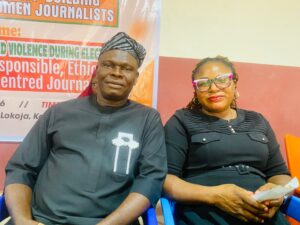
The Commissioner commended NAWOJ and KONOGONET for organising the training, describing the initiative as timely and important in strengthening the role of female journalists in promoting safe, inclusive and violence-free elections.
Speaking on “Strengthening the Role of Female Journalists in Promoting Safe, Inclusive and Violence-Free Elections,” Dr. Josephine Ali, News Editor of The Graphic Newspaper, highlighted the critical role of women journalists in shaping public understanding of electoral violence and amplifying the voices of women and other vulnerable groups.
She stressed the need for female journalists to remain professional, factual and courageous while reporting incidents of violence against women before, during and after elections.
Also speaking on “Effective Language Use in GBV Reporting During Elections,” media consultant and lecturer at the Federal University Lokoja, Katherine Banku Odok, addressed the importance of using appropriate and non-stigmatising language when reporting cases involving survivors.
She emphasised that the language used by journalists can either protect the dignity of survivors or further compound their trauma, urging reporters to avoid sensationalism, victim-blaming and expressions that could expose survivors to further harm.
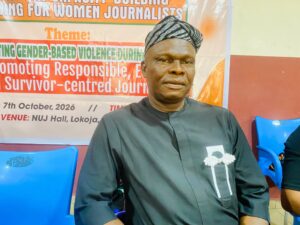
The training underscored the need for journalists to place accuracy, confidentiality, dignity, consent and survivor protection at the centre of GBV reporting, particularly during periods of heightened political activity and electoral competition.