By Princess Funsho Sumanu
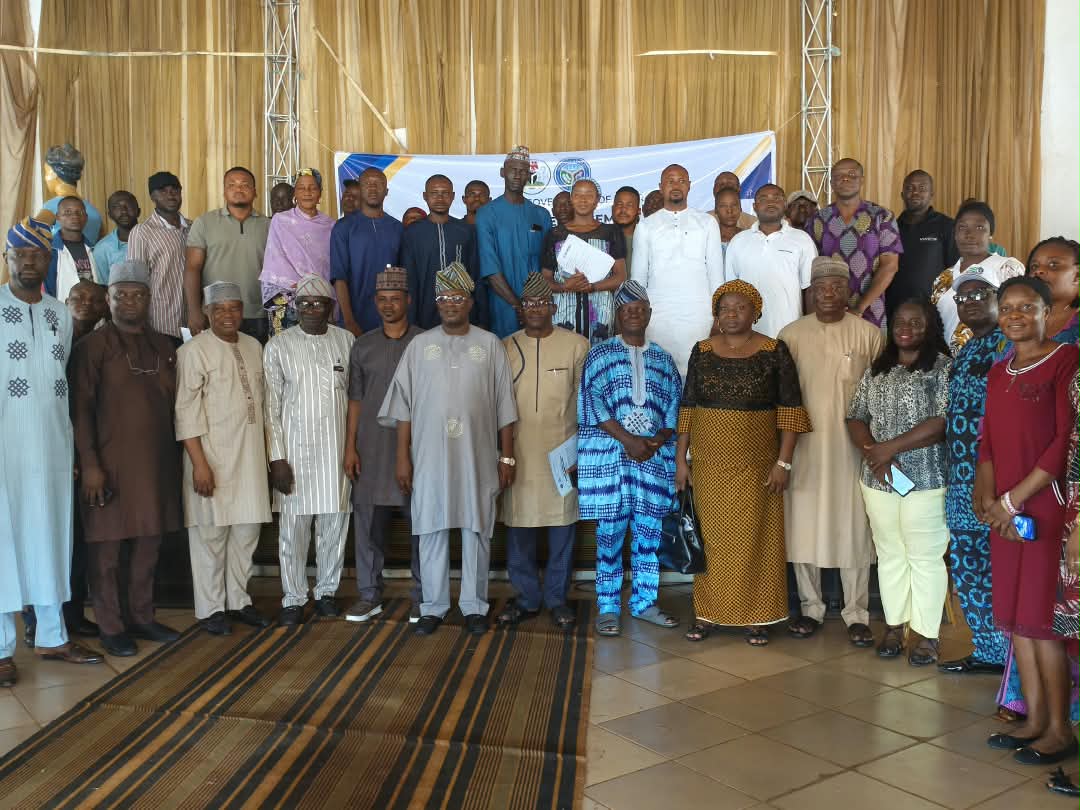
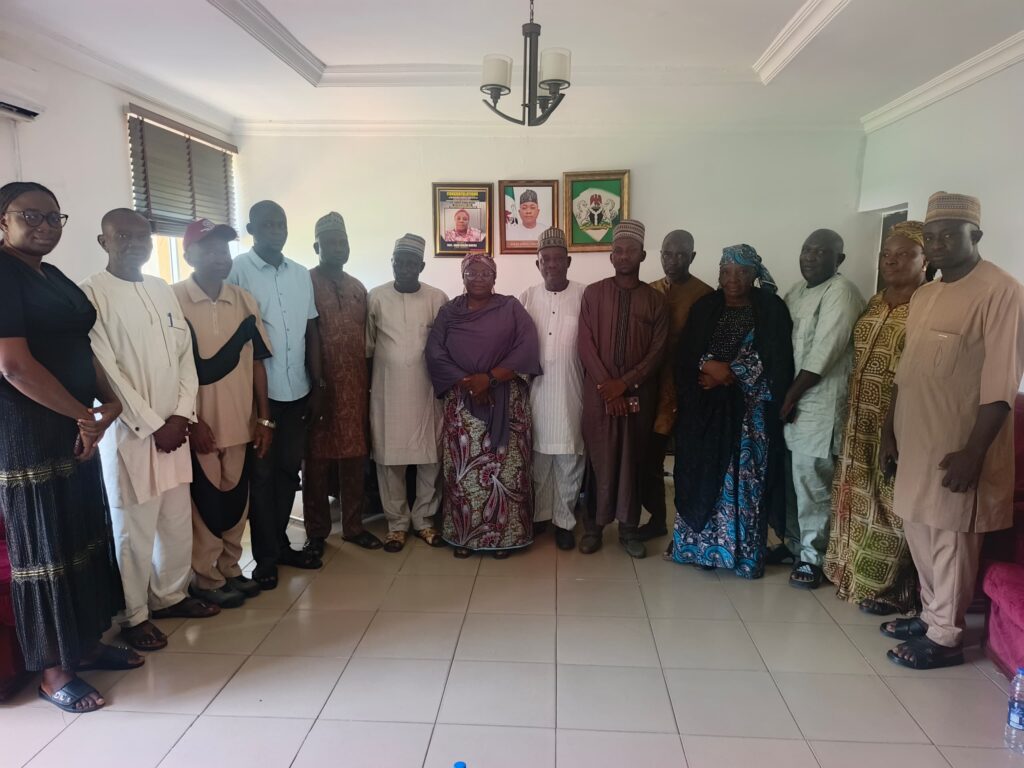
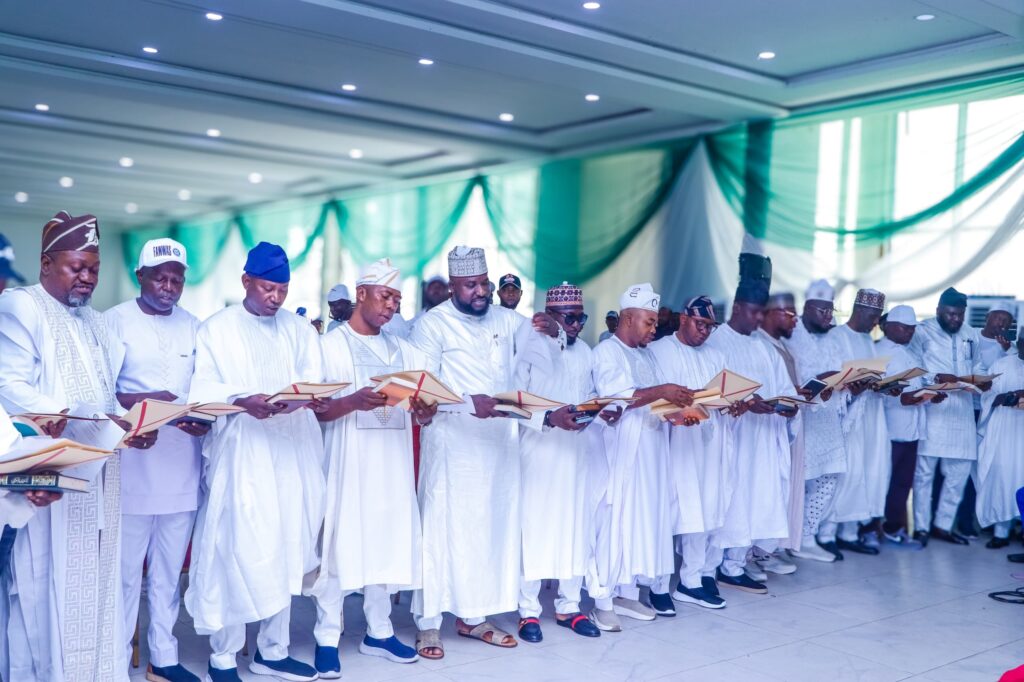
The Kogi State Government has taken its citizens’ engagement and sensitisation on the preparation of the 2027 Budget to Anyigba, in Kogi East Senatorial District, reaffirming its commitment to a people-centred budgeting process that reflects the needs and priorities of the people.
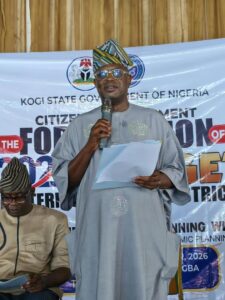
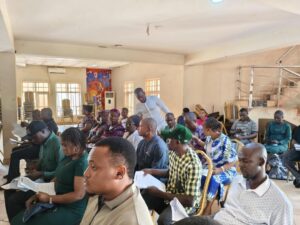
The engagement, organised by the Ministry of Finance, Budget and Economic Planning, is part of the state government’s efforts to deepen citizens’ participation in budget preparation, promote transparency and accountability, and ensure that public resources are directed towards projects and programmes with direct benefits to the people.
Representing the Commissioner for Finance, Budget and Economic Planning, Hon. Asimaju Asiru Idris, FCA, the Senior Special Adviser, Hon. Olajide Samuel, emphasised the importance of involving citizens in the budget process, noting that a credible budget must reflect the realities of the people it is designed to serve.
The Commissioner reiterated that budgeting should not be treated merely as an annual government exercise but as a practical instrument for development, service delivery and improved living conditions.
He stressed that citizens’ contributions give government a clearer understanding of community needs, helping improve project prioritisation, resource allocation, and implementation.
He said the government remains committed to an inclusive, realistic and transparent budget process in which public resources are managed responsibly and translated into measurable development outcomes.
He noted that the engagement provides an opportunity for stakeholders, community representatives, civil society organisations and other participants to express their concerns, identify priority projects and contribute to decisions that will shape the 2027 Budget.
The Commissioner further underscored the importance of accountability in ensuring that budgetary provisions lead to tangible results, rather than remaining figures on paper.
He called on participants to make constructive contributions that would help government identify critical areas requiring attention across the senatorial district and the state at large.
In his presentation, “From Budgeting as an Annual Ritual to Budgeting for Transformation,” Ambassador Idris Ozovehe Muraina, Executive Director of the Resource Centre for Education and Environment (RECEF), emphasised the need for a shift from routine annual budget preparation to a development-driven process guided by evidence, measurable outcomes and citizens’ priorities.
Ambassador Muraina stressed that a budget should be linked to the state’s long-term development aspirations and should demonstrate how public spending will improve the lives of citizens.
He highlighted 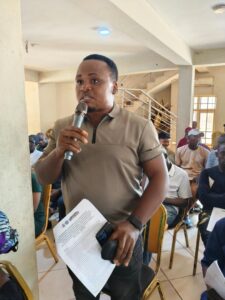 the importance of aligning annual budget decisions with the Kogi State Development Plan 2024–2056, explaining that effective planning requires government to identify priority needs, allocate resources appropriately, and establish clear mechanisms for monitoring implementation.
He also called for greater attention to essential public services, including the restoration and improvement of public water systems and the development of sustainable mass transit, noting that such investments are important to the welfare of residents and the broader development of the state.
The RECEF executive director further emphasised the need for transparency, public accountability and effective project monitoring to ensure that budgetary commitments translate into visible results in communities.
Speaking on behalf of the education sector, the Deputy Provost of the Kogi State College of Education, Ankpa, Dr. Ibrahim A. Aminu, who represented the Provost, Dr. Fashagba Paul Femi, called on the state government to give education priority in the preparation of the 2027 Budget.
Dr. Aminu explained that education remains a major driver of economic growth and sustainable development, stressing that meaningful progress in any society depends on the quality of its educational institutions and the opportunities available to learners.
He commended the state government for providing a platform through which stakeholders could contribute to the next budget and expressed hope that the engagement would lead to improved planning, more effective resource allocation, transparency and accountability in public expenditure.
The education representative, however, drew attention to challenges facing educational institutions, particularly inadequate infrastructure and the shortage of teaching staff in some communities.
He urged the government to make adequate provisions for infrastructure development across primary, secondary and tertiary institutions, including colleges of education, to improve the learning environment and strengthen the delivery of educational services.
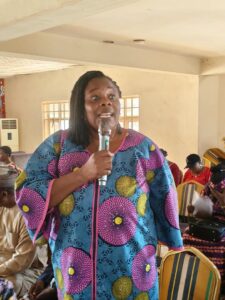
Dr. Aminu also called for urgent measures to address the imbalance in teacher-to-student ratios, noting that the shortage of teachers in some schools affects effective teaching and learning.
He advocated more aggressive recruitment of qualified teachers to strengthen the workforce, improve efficiency, and ensure that schools are adequately staffed to meet the needs of their students.
According to him, investment in education must go beyond the provision of funds to include the recruitment of personnel, improvement of facilities and the creation of an environment in which teachers and students can achieve better results.
He appealed to the government to give the education sector the attention it deserves in the 2027 Budget, stressing that sustained investment in education is essential for the state’s development and the future of its people.
Also speaking at the programme, the Chairman of the Kogi NGO Network (KONGONET), Mr. Hamza Aliyu, highlighted the importance of citizens’ feedback in shaping government policies and budget priorities.
The contributions at the Anyigba engagement further reinforced the importance of ensuring that the budget reflects the concerns of different sectors and communities, while balancing competing needs with available resources.
The engagement in Kogi East follows the earlier citizens’ sensitisation exercise held in Kogi West Senatorial District, where stakeholders were also encouraged to participate actively in shaping the 2027 Budget.
The zonal engagements form part of the state government’s broader commitment to participatory governance, with the Ministry of Finance, Budget and Economic Planning providing a platform for citizens and organised groups to contribute to the budget preparation process.
As the state advances its preparations for the 2027 fiscal year, the government’s emphasis remains on developing a budget that is realistic, inclusive and responsive to the needs of the people, while strengthening transparency, accountability and effective implementation.
The overall objective is to ensure that the 2027 Budget serves not only as a statement of government intentions but also as a practical framework for delivering development projects, improving public services and advancing the aspirations of the people of Kogi State.