By Princess Funsho Sumanu
The Kogi State Ministry of Finance, Budget and Economic Planning has reiterated the importance of realistic budgeting, effective implementation and continuous assessment of agricultural programmes to strengthen food security and drive sustainable development in the state.
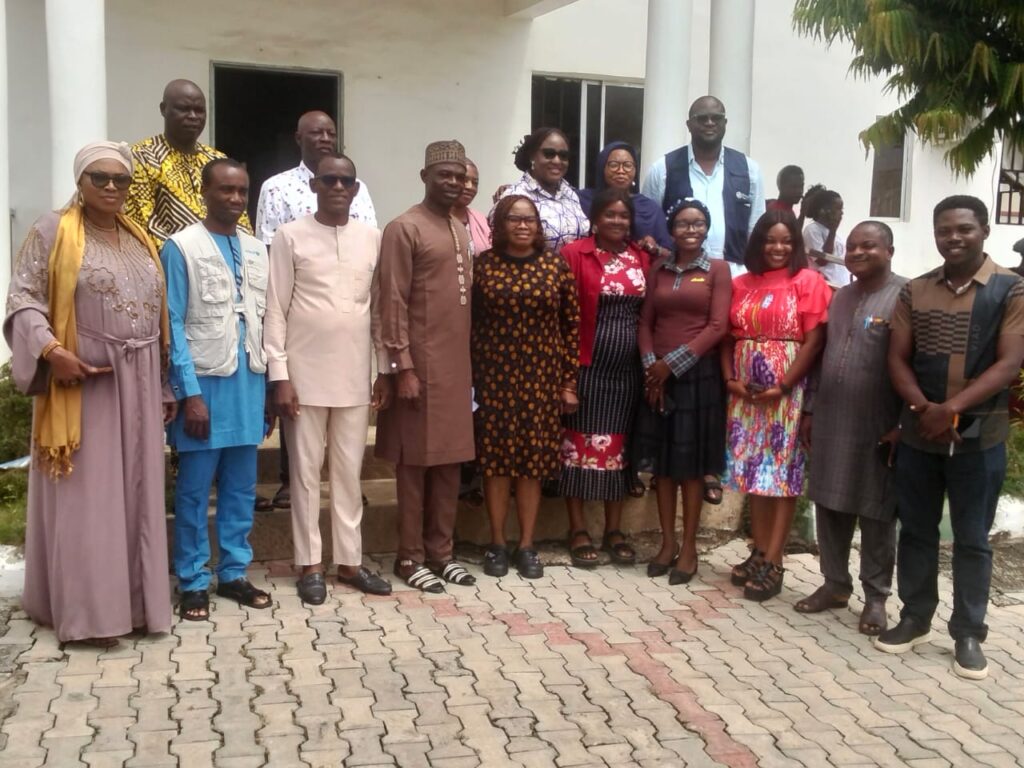
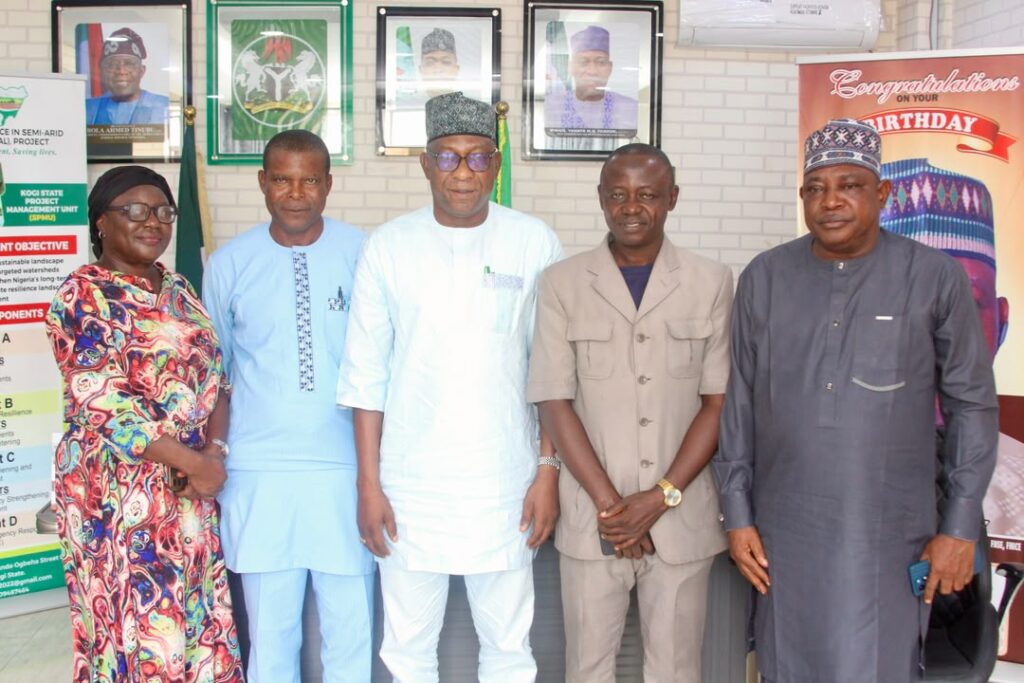
The Ministry made the position known during an advocacy meeting with a team from CAL-Maji, led by its Executive Director, Faith Ayegba, which focused on strengthening agricultural financing, food safety, environmental sustainability and greater opportunities for women and young people in the food system.
The Director of Administration, Mr. John Ichado, who represented the Permanent Secretary, Mr. Philip Ochu, welcomed the team on behalf of the Permanent Secretary and the Commissioner for Finance, Budget and Economic Planning.
Mr Ichado explained that the Permanent Secretary was unavoidably away on another official assignment but had directed relevant officials of the ministry to receive the delegation, engage with them and report the outcome of the meeting to the ministry’s leadership.

He described the visit as important, noting that the ministry was made up of experienced technical officers who would carefully examine the issues raised and ensure that the appropriate feedback was provided.
He also assured the delegation of the ministry’s openness to engagements that could contribute meaningfully to the development of the state.
Earlier, Ayegba explained that CAL-Maji had been engaging stakeholders in Kogi State on ways to improve access and opportunities for women and young people, particularly in the area of food-system strengthening.
According to her, the organisation’s advocacy goes beyond food production to issues of food safety, accessibility, environmental sustainability and the ability of farmers to benefit fully from their agricultural activities.
She expressed concern over the increasing use of chemicals and pesticides in food production, stressing the need for practices that would protect consumers, farmers and the environment while also improving the quality and marketability of agricultural products.
Ayegba noted that some agricultural products from Nigeria face rejection in international markets because of concerns over chemical residues and other production practices, stressing that food security should not only be about availability but should also encompass accessibility and safety.
She said CAL-Maji was also working with other stakeholders, including relevant regulatory institutions, while noting the importance of the Ministry of Finance, Budget and Economic Planning in providing the financial backing required to translate agricultural policies and ideas into practical results.
The Executive Director further pointed to the ongoing development of an agroecology policy for Kogi State, describing it as an important step towards providing a clearer direction for agricultural practices and policies in the state.
She said the organisation’s analysis of the state’s agricultural budget formed a major part of the advocacy, adding that its assessment indicated the need for stronger budgetary attention to agriculture, particularly in view of the importance of food security.
Ayegba said CAL-Maji had also developed proposals for what it described as a 2027 shadow budget, containing recommendations on agricultural inputs, production practices and greater inclusion of women, while advocating a gradual transition towards safer and more environmentally sustainable agricultural practices.

In his contribution, the Director of Monitoring and Evaluation, Mr. Bello Joseph, provided a technical perspective on agricultural budgeting, noting that assessment of the sector should take into account the various agricultural programmes and interventions captured in the state’s budget.
The director, an economist with previous experience in the agricultural sector, explained that budget allocation must be linked to performance and the ability to effectively assess and implement projects.
He stressed that the ministry regularly reviews budget performance, including recurrent and capital expenditure, before considering subsequent allocations.
According to him, where funds allocated to a programme are not being effectively utilised or projects are not demonstrating measurable progress, simply increasing allocations may not necessarily produce the desired results.
He, however, acknowledged the need for greater investment in agriculture, noting that the sector had gradually received increased attention but still required stronger coordination and implementation.
Mr Bello, also highlighted the importance of timely agricultural inputs, improved seeds, fertiliser and other interventions, stressing that such support must reach farmers at the appropriate time to correspond with the farming calendar.
He called for stronger planning and coordination within the agricultural sector, including the development and implementation of a clear agricultural policy and roadmap that would enable the state to properly monitor progress and measure results.
The meeting featured a presentation of the technical analysis of Kogi State’s 2025/2026 agricultural budget documents, providing a basis for discussions on budget allocation, implementation, performance and areas requiring further attention.
The engagement also underscored the need for closer collaboration among government institutions, development partners, civil society organisations and other stakeholders to strengthen agricultural financing, improve food safety and build a more sustainable food system
in Kogi State.
The participants agreed that effective agricultural development requires more than budgetary provisions alone, but also timely implementation, proper monitoring, accountability and coordinated action across the relevant sectors.