By Salau Ibrahim
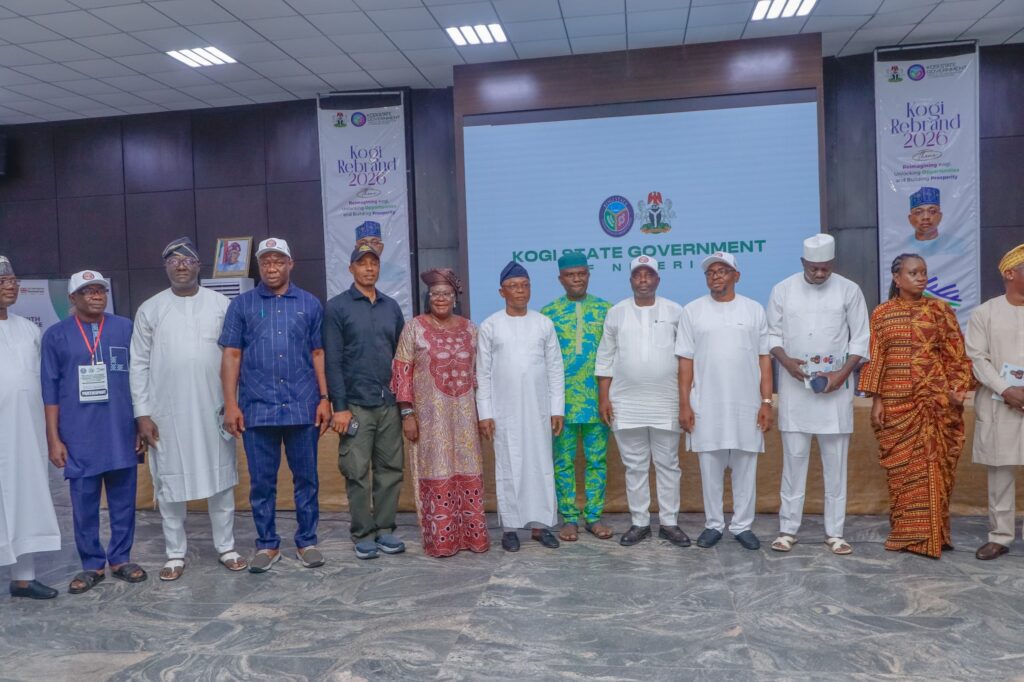
The Governor of Kogi State, His Excellency Alhaji Usman Ahmed Ododo, has commended Plan International for its initiative in supporting the development of an Anticipatory Action Framework aimed at strengthening disaster risk reduction and emergency preparedness in the State.
The Governor, who was represented by the Executive Secretary of the Kogi State Emergency Management Agency (KOSEMA), Alhaji Mouktar Atimah, expressed appreciation to Plan International for championing the initiative.
He noted that the Anticipatory Action Framework is a proactive approach that enables governments, humanitarian organizations, and communities to take timely actions before disasters occur thereby reducing risks and minimizing the impact of emergencies on vulnerable populations.
According to the Executive Secretary, the framework will help build the resilience of communities by enhancing their capacity to anticipate, prepare for, and respond effectively to hazards.

He emphasized that empowering at-risk populations with the necessary knowledge, resources, and support mechanisms before disaster strikes is critical to safeguarding lives and livelihoods.
Alhaji Atimah further stated that Plan International’s intervention would significantly complement the efforts of the Kogi State Government in addressing the growing challenges posed by both natural and human-induced disasters.
He observed that recurring emergencies such as floods, windstorms, communal conflicts, disease outbreaks, and other hazards continue to threaten the wellbeing of residents, particularly children, women, girls, and other vulnerable groups.
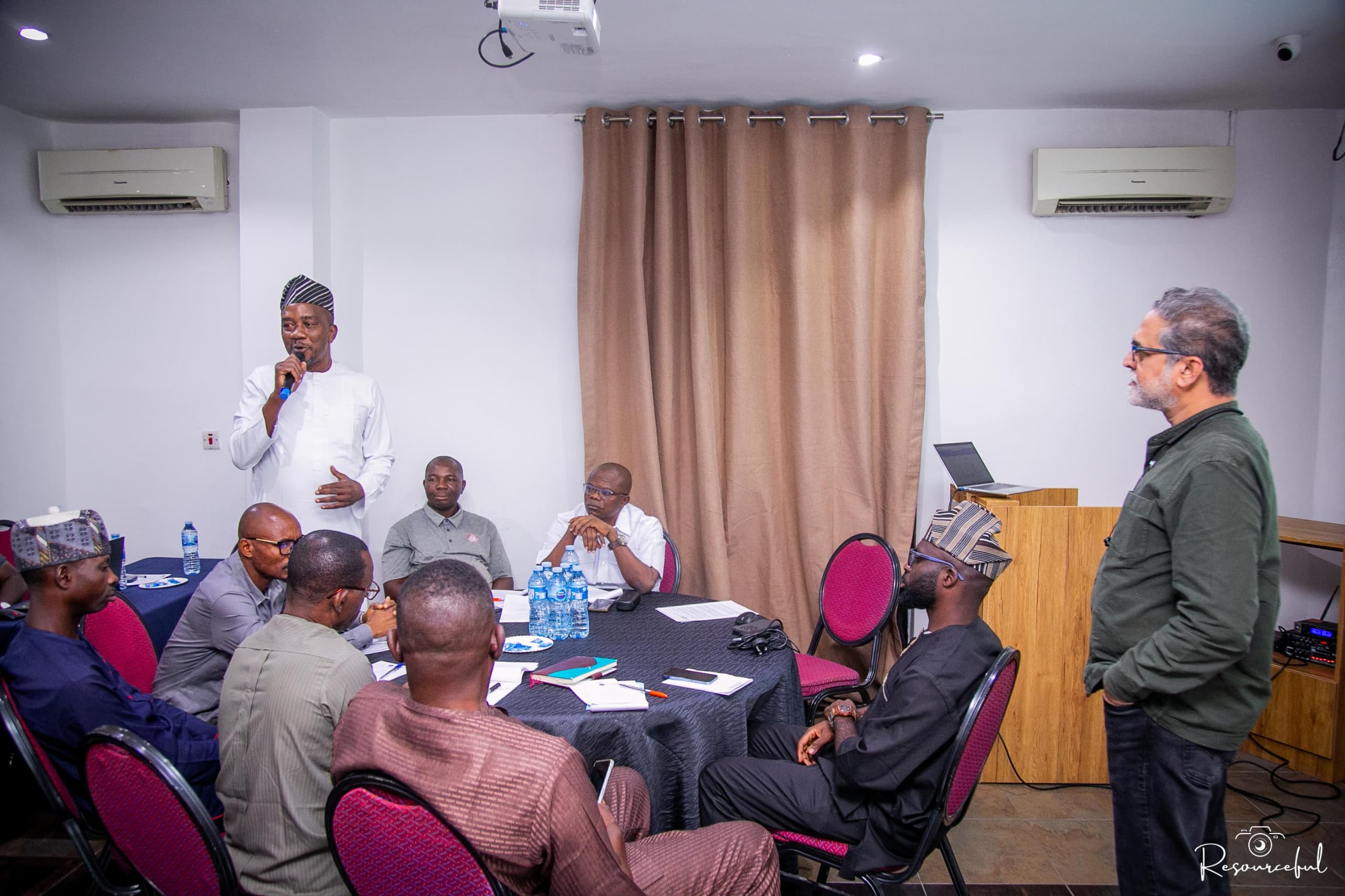
Speaking during the workshop, the Global Representative of Plan International, Mr. Saroj Dash, delivered a welcome address in which he highlighted the importance of Anticipatory Action as a critical strategy for reducing disaster risks and protecting vulnerable communities. He explained that the Anticipatory Action Framework is designed to ensure that early warning information is translated into early action, enabling stakeholders to act before hazards escalate into full-scale disasters.
He further emphasized the need for collaboration among governments, humanitarian partners, technical institutions, and local communities to develop effective and sustainable anticipatory action systems.
The Executive Secretary reaffirmed the commitment of Governor Ododo’s administration to strengthening disaster preparedness, risk reduction, and humanitarian response mechanisms across the state through strategic partnerships with development and humanitarian organizations.
The Kogi State delegation participating in the Anticipatory Action Framework development process was led by KOSEMA and comprised technical experts drawn from the Kogi State Ministry of Health, Ministry of Environment, and the Ministry of Humanitarian Affairs and Poverty Alleviation.

The team contributed valuable insights toward the development of a comprehensive framework designed to enhance early action, protect vulnerable populations, and strengthen community resilience across the state.
The week-long workshop on the development of the Anticipatory Action Framework is currently taking place at Bolton White Hotels and Apartments from 7th to 13th June 2026, in Abuja.
The workshop brought together key stakeholders, humanitarian actors, government representatives, and technical experts from across the Country to deliberate on strategies for strengthening disaster preparedness, early warning systems, and anticipatory action mechanisms. The engagement is providing a platform for participants to contribute technical inputs and share experiences towards the development of a robust framework for disaster risk reduction, early action, and resilience building.
The Anticipatory Action Framework is expected to provide a structured mechanism for early warning, preparedness, and pre-disaster interventions, thereby reducing the humanitarian and economic impacts of disasters in Kogi State, while enhancing the resilience of vulnerable communities across the state.