By Salawu Nneka Patience
The Kogi State Government has intensified efforts to promote sustainable and climate-resilient agriculture with the inauguration of a Technical Working Group (TWG) on agroecology, aimed at developing a practical framework to strengthen food security, farmers’ livelihoods and sustainable agricultural development across the state.

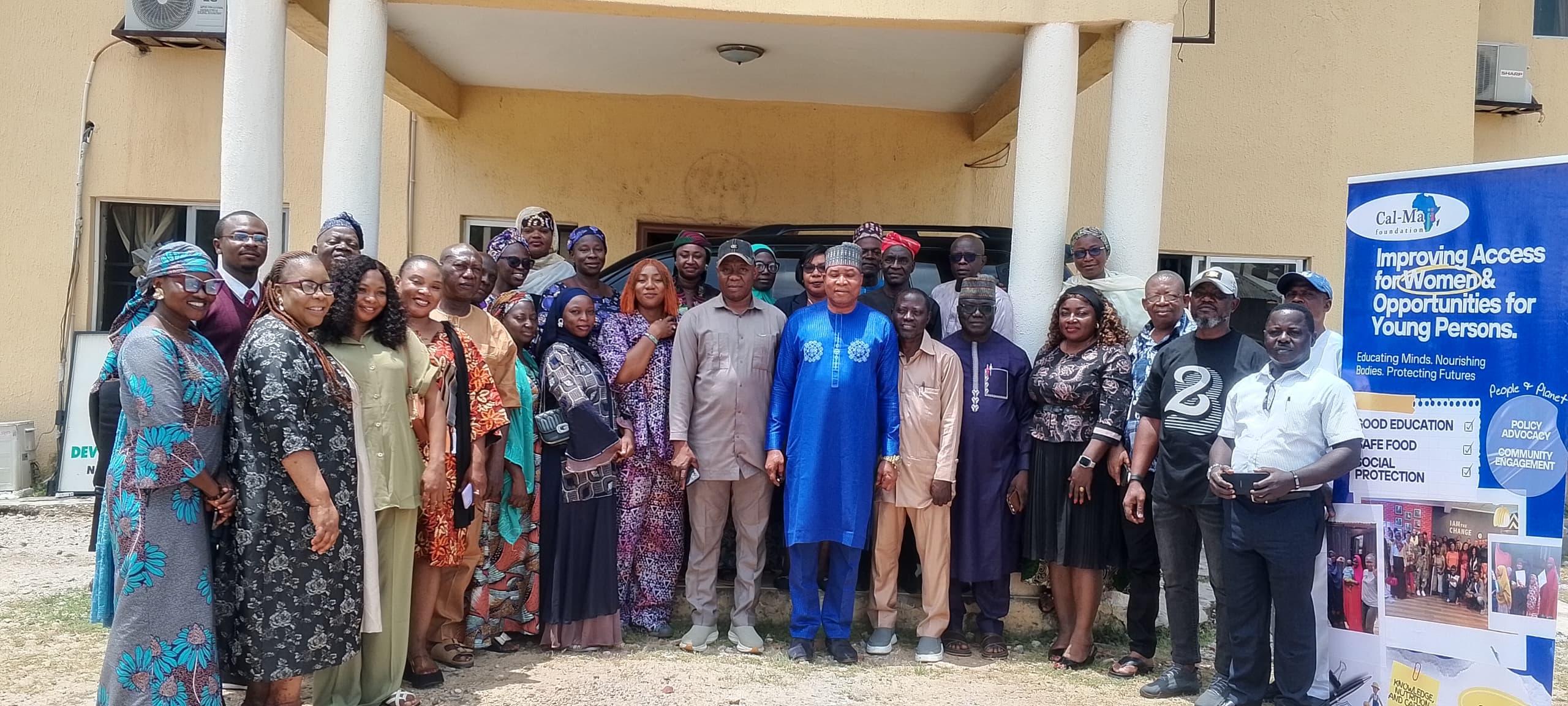
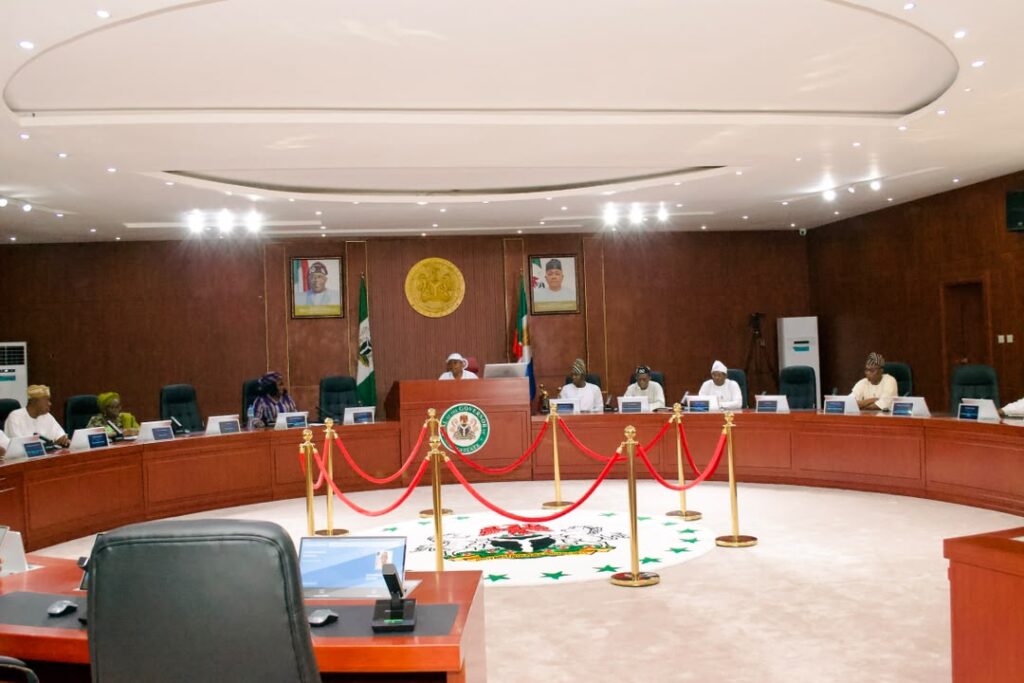
The initiative, undertaken in partnership with the Cal-Maji Foundation (CMF), was formally launched during an inaugural meeting hosted by the Kogi State Ministry of Agriculture and Food Security.
The meeting brought together stakeholders from government, academia, development organisations and other relevant sectors to deliberate on how agroecological principles can be adapted to the realities of farming communities across Kogi State.
In his opening remarks, the Commissioner for Agriculture and Food Security, Hon. Timothy Ojomah, acknowledged the partnership with the Cal-Maji Foundation and explained that the inauguration of the TWG was part of the state government’s broader strategy to transform agriculture and build more resilient food systems.
He said Governor Ahmed Usman Ododo had made food security, job creation and sustainable agriculture key priorities of his administration, stressing that agroecology could provide an important pathway towards achieving those objectives.

«“Agroecology is not just about farming; it is farming with nature,” Ojomah said.»
According to the Commissioner, agroecology combines traditional farming knowledge with modern agricultural science to develop resilient food systems capable of restoring and protecting soil, reducing excessive dependence on chemical inputs, improving productivity and conserving biodiversity.
He added that the approach could provide significant opportunities for smallholder farmers, women and youths, who remain central to the growth of the agricultural sector.
Government Promises Policy, Budgetary Support
Ojomah assured stakeholders that the Kogi State Government, through the Ministry of Agriculture and Food Security, would provide the necessary policy and budgetary support to advance the agroecology programme.
He said the government would also create an enabling environment for collaboration among the private sector, non-governmental organisations, researchers and development partners.
The Commissioner disclosed that agroecological principles would be considered for integration into relevant agricultural programmes, including input distribution and farmer-training initiatives.
He further stressed the importance of taking the programme directly to communities to ensure that its benefits reach farmers across the state.
According to him, the government is committed to ensuring that “no one is left behind” in the transition towards more sustainable agricultural practices.
Cal-Maji Foundation Explains Agroecology Benefits
In her presentation, the Executive Director of the Cal-Maji Foundation, Faith Ayegba, explained the principles of agroecology and their relevance to Kogi State’s agricultural priorities.
Ayegba said agroecology promotes farming systems that work with nature while protecting soil health, conserving biodiversity and building resilient food systems.
She explained that the approach combines indigenous farming knowledge with scientific innovation to develop solutions suited to local conditions.
She also called for a reduction in excessive dependence on chemical inputs, stressing that environmentally sustainable practices could simultaneously improve farmers’ livelihoods and protect natural resources.
Ayegba emphasised the need to place smallholder farmers, women and youths at the centre of the initiative, noting that their participation would be critical to achieving lasting agricultural transformation.
She called for stronger collaboration among government, farmers, researchers, development partners, civil society organisations and the private sector.

The Executive Director urged members of the TWG to thoroughly review the draft framework and contribute practical recommendations capable of producing a Kogi-specific agroecology roadmap.
The meeting also witnessed the election of the leadership of the Technical Working Group.
Professor Olufeagba, Dean of the Faculty of Agriculture, Federal University Lokoja (FUL), emerged as Chairman, while Mr. Abraham Ahmed, Director of Planning, Research and Statistics in the Ministry of Agriculture and Food Security, was elected Secretary.
Stakeholders subsequently discussed issues relating to stakeholder engagement, reporting mechanisms, coordination and the immediate responsibilities of the working group.
The discussions focused on establishing clear roles and ensuring effective collaboration as the TWG begins work on the agroecology framework.
As part of efforts to ensure that the initiative moves quickly from discussion to implementation, Commissioner Ojomah directed members of the TWG to submit their reports within one month of the inaugural meeting.
He urged members to bring their expertise, experience and institutional knowledge to bear on the assignment.

«“The knowledge and partnership of stakeholders will determine the success of this programme,” he said, urging members to approach the task with commitment and a strong sense of responsibility.»
In her closing remarks, the Director of Administration, Mrs. Abimbola Falusi, charged members to work collectively and demonstrate the commitment required to achieve the objectives of the initiative.
She reaffirmed the state government’s support for the agroecology programme and encouraged members to contribute their knowledge and professional expertise towards developing a practical framework.
With the Technical Working Group expected to submit its recommendations within one month, attention now shifts to the development of a practical, Kogi-specific and implementable agroecology roadmap capable of advancing food security, creating jobs, improving farmers’ livelihoods and strengthening the long-term sustainability of agriculture across the state.