By Princess Funsho Sumanu
Stakeholders in Kogi Central Senatorial District have urged the Kogi State Government to prioritise vocational training, youth employment, functional healthcare, potable water and agricultural trade infrastructure in the 2027 budget.
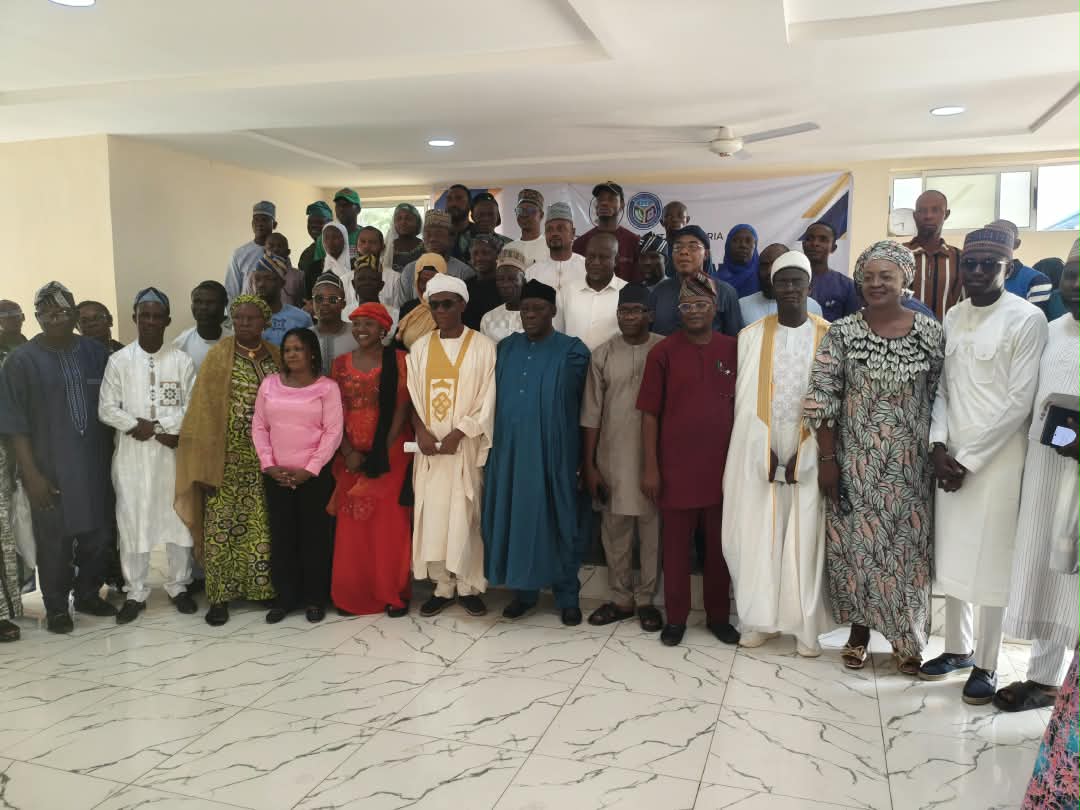
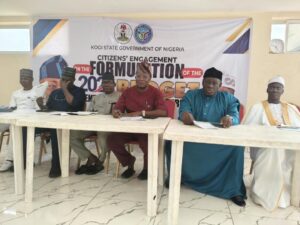
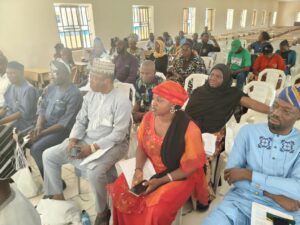
The demands featured prominently at a Citizens’ and Stakeholders’ Town Hall Meeting on the 2027 budget formulation held in Ogaminana on Tuesday, October 27, 2026, where government representatives, traditional rulers, youth organisations and civil society groups presented development priorities for the district.
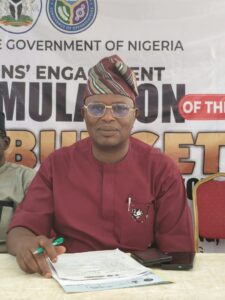
The Executive Director of Renaissance Care and Empowerment Foundation (RECEF), Amb. Idris Ozovehe Muraina, called for a shift from certificate-driven education to a skills-based economy, proposing modern vocational hubs, enterprise support and an integrated yam aggregation and processing centre in Okene.
Presenting a paper titled “From Certificates to Productive Livelihoods: A Civic Call for Skills, Trade Infrastructure, Human Capital and Basic Services in Kogi Central Senatorial District,” Muraina said the 2027 budget should translate the state’s long-term development plans into practical interventions that improve livelihoods.
He identified unemployment, declining traditional trades, inadequate business infrastructure, teacher shortages, insufficient healthcare personnel and limited access to potable water as challenges requiring targeted government investment.
He proposed vocational and enterprise hubs offering practical training, certified apprenticeships, digital skills, modern equipment, affordable financing and market access. The proposed centres would cover welding, automobile repairs, electrical installation, solar energy, plumbing, carpentry, tailoring, refrigeration, information technology and food processing, among other trades.
Muraina also called for support for traditional apprenticeship systems through improved equipment, better workspaces and incentives for experienced artisans to train young people.
On agricultural development, he proposed an integrated Mega Yam Aggregation, Storage, Processing and Trading Hub in Okene, citing the town’s strategic position along major transport routes.
He said the facility should incorporate modern storage, grading and weighing systems, wholesale trading sections, truck parks, loading bays, processing facilities, water and sanitation services, security and digital commodity-price information.
According to him, the hub could create jobs for farmers, traders, transporters, loaders, processors and other service providers while increasing the value of agricultural produce traded through the area.
He further advocated trade corridors, logistics facilities, light industrial clusters, repair centres and small-scale processing zones to stimulate economic activity across Kogi Central.
On education and healthcare, Muraina urged the government to provide adequate funding for teacher recruitment and equitable deployment, as well as the recruitment and distribution of qualified health workers to existing facilities.
He warned that constructing schools and healthcare buildings without providing the personnel needed to operate them could limit the benefits of public investment.
He also called for an audit of existing water schemes, boreholes and reticulation systems to identify functional facilities, those requiring rehabilitation and underserved communities. He recommended sustainable water projects, including rehabilitated systems and appropriately designed solar-powered boreholes, backed by maintenance plans and water-quality monitoring.
Muraina urged the government to measure the success of the 2027 budget by tangible outcomes, including the number of young people trained and employed, businesses supported, teachers and health workers deployed, communities supplied with potable water and public facilities made functional.
Ebira Youth Congress Seeks Dedicated Youth Budget
In a separate presentation, the President General of the Ebira Youth Congress (EYC), Comrade Ahmed Saka Bachido, submitted a ten-point youth development agenda for consideration in the 2027 budget.
The agenda covers education, skills development, digital literacy, enterprise and agribusiness, employment, healthcare, social protection, sports, arts and culture, peacebuilding, youth leadership, infrastructure and environmental sustainability.
The organisation called for transparent scholarship and bursary schemes for indigent students and students with disabilities, improved school facilities, digital learning centres, examination-fee support and greater investment in technical education.
It also advocated accessible training in information technology, software development, creative industries and technical trades, supported by recognised certifications and practical work placements.
To expand economic opportunities, the EYC proposed a youth enterprise support programme offering competitive grants, affordable financing and mentorship, alongside a coordinated internship, apprenticeship and graduate-placement scheme involving government institutions and private businesses.
The youth body further called for youth-friendly primary healthcare, mental health awareness, substance-use prevention, community sports facilities, safe recreational spaces and targeted support for vulnerable young people.
It urged the government to establish identifiable budget lines for youth employment, student support, enterprise development and recreation, with clear targets and transparent beneficiary-selection processes.
The EYC also recommended the use of data disaggregated by age, gender, disability and local government area to guide programme design and ensure equitable access to opportunities.
Traditional Rulers Seek Community-Based Projects
Speaking on behalf of traditional rulers, the representative of the Ohinoyi of Ebiraland, the Ohi of Okengwe, HRH Alhaji Arch. A. A. Yusuf, welcomed the consultation, describing it as an opportunity for communities to present their development needs directly to the government.
He called for greater investment in transportation, education, healthcare, agriculture, security, clean water and youth employment, stressing that projects should reflect local realities and encourage community participation.
Yusuf also advocated improved street lighting, agricultural storage and processing facilities, educational assistance and community-based healthcare interventions.
He urged the government to undertake proper needs assessments, identify project locations, ensure transparent implementation and strengthen monitoring to guarantee lasting benefits.
He appealed to Governor Ahmed Usman Ododo to give due consideration to the priorities presented by traditional institutions, particularly water supply, agricultural development and youth employment.
Government Pledges Inclusive Budget Process
Representing the Commissioner for Finance, Budget and Economic Planning, Hon. Asiwaju Idris, FCA, the Special Adviser to the Governor on Budget and Economic Planning, Mr Olajide Samuel, said the town hall meeting was designed to incorporate citizens’ views into the preparation of the 2027 budget.
Samuel described the budget as an instrument for translating government policies and development priorities into programmes and projects that improve citizens’ welfare.
He urged participants to offer practical recommendations and constructive criticism to make the proposed budget inclusive, realistic and responsive to the needs of communities.
Providing an update on fiscal performance, Samuel said the 2026 half-year budget performance report recorded approximately ₦308.22 billion in total revenue, including opening balance, representing 37.6 per cent of the revised annual budget.
He put total expenditure at approximately ₦259.97 billion, or 31.7 per cent of the revised annual budget, while internally generated revenue stood at about ₦26.22 billion, representing 59.6 per cent of the revised annual IGR target.
He said the figures underscored the need to strengthen domestic revenue mobilisation, improve tax administration, reduce revenue leakages and create a business-friendly environment.
Samuel also emphasised the importance of ensuring that budgetary allocations translate into completed projects, improved public services and measurable benefits for citizens.
He identified education, healthcare, agriculture, infrastructure, social protection and youth development as priority sectors, urging stakeholders to participate actively in the budget process.
The town hall meeting reinforced calls for a 2027 budget that links education with employable skills, agricultural production with market access, infrastructure with economic opportunities and public facilities with adequate personnel.
Stakeholders also stressed the need for transparent implementation, community participation and measurable performance indicators to ensure that public spending delivers tangible improvements in living conditions.
The consultation forms part of the state’s participatory budget process aimed at developing a credible and fiscally sustainable 2027 budget aligned with the development agenda of Governor Ahmed Usman Ododo’s administration.