By Rotimi Odofin
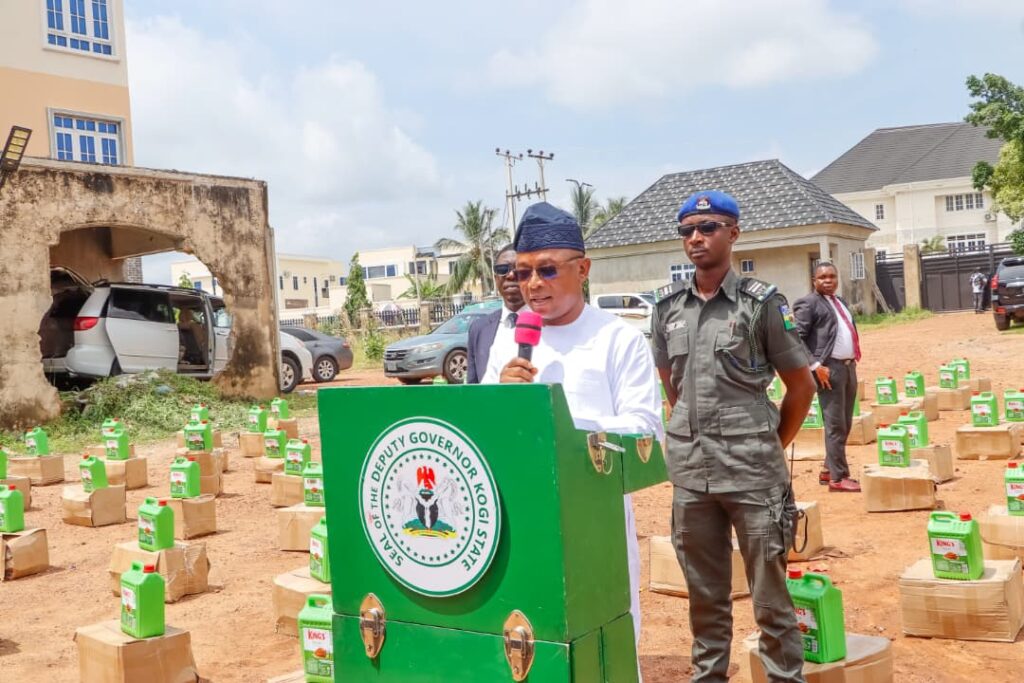
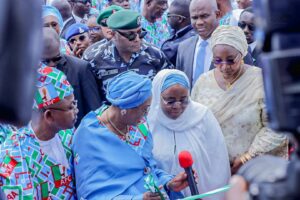
The decision by the First Lady of Nigeria, Senator Oluremi Tinubu, to flag off the Renewed Hope Initiative National Community Food Bank Programme in Kogi State is a welcome intervention in the nation’s ongoing battle against hunger, malnutrition and poverty. It is a clear acknowledgement that food security is not merely an economic concern but a fundamental pillar of public health, human capital development and national prosperity.
At a time when millions of Nigerian households are grappling with soaring food prices and declining purchasing power, the initiative sends a reassuring message that the welfare of the most vulnerable—particularly children, pregnant women and nursing mothers—remains a national priority. The programme is, therefore, more than a humanitarian gesture; it is a strategic investment in Nigeria’s future.
Its greatest strength lies in its community-driven model. By situating food banks within Primary Healthcare Centres, the initiative seamlessly integrates nutrition with healthcare delivery, ensuring that beneficiaries receive not only nutritious food but also nutrition education, maternal healthcare and child health services. This holistic approach addresses both the immediate and underlying causes of malnutrition while strengthening primary healthcare at the grassroots.
The choice of Kogi State as the host for the North Central flag-off is equally significant. It reflects growing confidence in the state’s capacity to implement impactful health and social protection programmes while reinforcing ongoing efforts to expand access to quality healthcare services. More importantly, it places a responsibility on the state government and all implementing partners to translate this confidence into measurable results that directly improve the lives of vulnerable citizens.
Another commendable feature of the programme is its emphasis on locally produced food. Beyond improving nutritional outcomes, this strategy has the potential to stimulate agricultural production, create sustainable markets for local farmers, strengthen rural livelihoods and reduce dependence on imported food products. If effectively implemented, the initiative could become a catalyst for improved public health, economic empowerment and enhanced national food security.
However, experience has shown that many well-intentioned social intervention programmes lose momentum after impressive launch ceremonies. The true measure of the Renewed Hope Food Bank Programme will not be the success of its inauguration but the sustainability of its operations, the transparency of its management and the measurable impact on the lives of intended beneficiaries. Food banks must remain adequately stocked, distribution must be transparent and equitable, and beneficiaries must be selected based on clearly defined and verifiable criteria. Anything less would erode public confidence and undermine the noble objectives of the initiative.
Government alone cannot shoulder this enormous responsibility. The First Lady’s call on governors’ spouses, development partners, the private sector, traditional rulers, faith-based organisations and community leaders to support and sustain the initiative is both timely and imperative. Combating hunger and malnutrition requires collective ownership, sustained collaboration and unwavering commitment from every segment of society.
Ultimately, the Renewed Hope Initiative National Community Food Bank Programme presents a unique opportunity to redefine Nigeria’s social protection architecture. If implemented with discipline, accountability and sustained political will, it could become a national model for tackling food insecurity, reducing child malnutrition and strengthening community resilience.
The challenge now is to move beyond the symbolism of the flag-off. Nigerians will judge the success of this initiative not by the speeches delivered at the podium but by the tangible improvements in the lives of vulnerable families, the number of children rescued from malnutrition, the health of mothers, and the hope restored to communities across the country.
Kogi State appears well positioned to translate this vision into reality. With the structures already established by the state government, the sustained investment in primary healthcare, and the wealth of experienced human resources in the health sector, the state possesses the institutional capacity to drive the initiative successfully. Under the leadership of the Coordinating Commissioner for Health, Dr. Abdulazeez Adams Adeiza, supported by a team of dedicated health professionals and development partners, the prospects for effective implementation are encouraging.
If this momentum is sustained through transparency, accountability and strong community participation, Kogi State could emerge as a national reference point for the successful implementation of the Renewed Hope Initiative National Community Food Bank Programme. The true promise of the initiative lies not in its launch but in its lasting impact on the lives of the vulnerable. That is the standard by which its success must ultimately be measured.