…says legitimate Artisans deserve recognition
By Taiye Bayode
Kogi State has always been known for the strength and diversity of its informal economy, an economy sustained by thousands of artisans, traders and small-scale operators across the State’s 21 Local Government Areas.
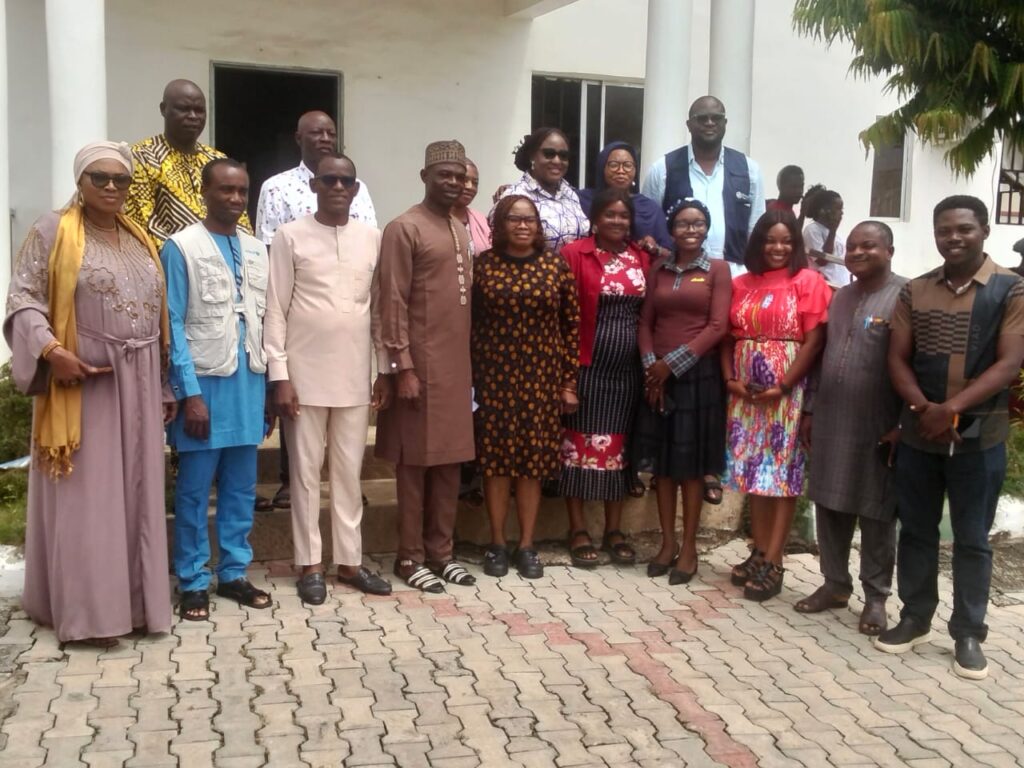
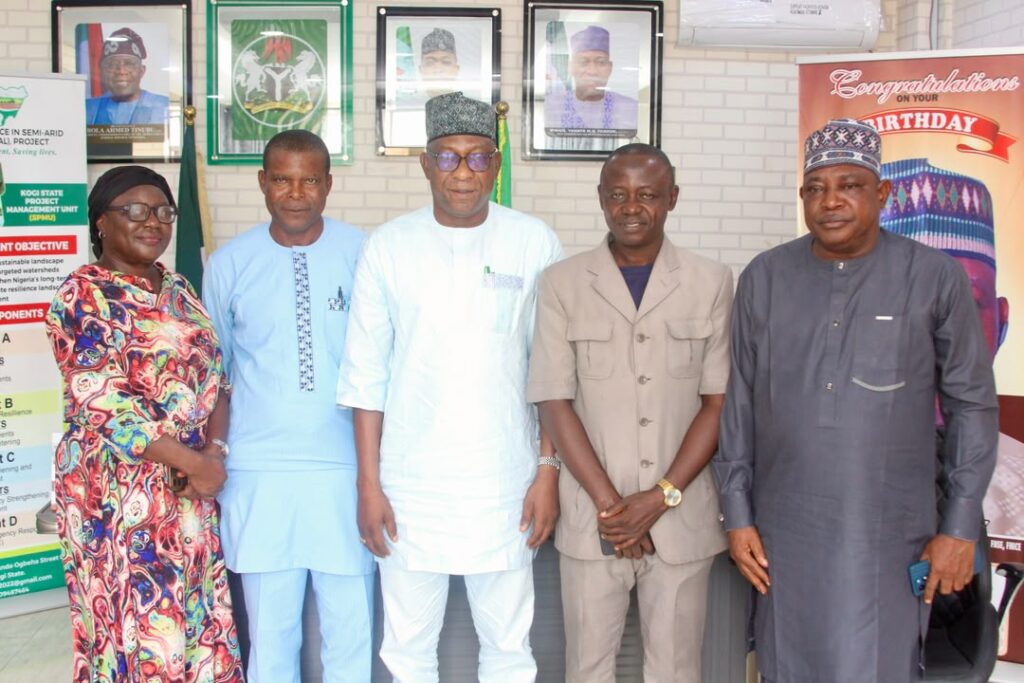
In furtherance of ongoing efforts to bring more of this informal sector into a properly documented, government-recognised structure, the Kogi State Ministry of Commerce and Industry received a delegation from the Tailors Association of Nigeria, Kogi State Chapter, who raised the alarm over a growing wave of impersonators defrauding unsuspecting customers under the guise of legitimate tailoring, and appealed to government for the recognition and regulatory backing needed to help stamp out the menace.
Permanent Secretary, Hajia Musa-Amana Sualihat told the association that government recognition begins with visibility, explaining that an association only becomes known to government once it formally registers and makes itself known through the appropriate channel.

Sualihat clarified that the Ministry of Commerce and Industry remains the sole government body responsible for business premises registration in the State, explained that any group seeking government recognition, empowerment consideration or a defined regulatory role must first be properly registered with the Ministry.
The Permanent Secretary who represented the Commissioner for Commerce & Industry, Alh. Muhammed Muktar Shuaibu, noted that the association’s specific request for an official mandate to oversee and regulate tailoring activities statewide, similar to mandates previously granted to bodies such as the Tricycle Owners Association and the Motorcycle Operators Union, would require a law to be processed through the Ministry and higher ups, to make it feasible; a process she confirmed was achievable but must follow due legislative procedure.

She further advised the association to work closely with the Ministry’s SME desk to compile and submit a proper database of its membership, noting that having verified, readily available data is what allows government to correctly identify and reach genuine beneficiaries whenever empowerment programmes are rolled out.
On taxation, she clarified that in line with reliefs already extended to informal sector operators under the Federal Government’s tax reforms, the association’s members are not liable to income tax under ₦10M, but are properly captured under the Ministry’s business premises levy, urging the association to formally put its requests, including its complaints regarding impersonators, in writing, so that management could compile and forward its position for onward consideration.
Other directors present at the meeting also contributed, reinforcing the need for proper registration and documentation as the necessary foundation for any future recognition, and cautioning the association against being misrepresented by unauthorised persons or groups claiming to speak on tailors’ behalf.
Earlier, the association’s State Chairman, Abba Suleiman, told the Ministry that the visit was intended to formally introduce the union’s leadership and structure to government and to deepen its relationship with the State through the appropriate ministry, having recognised that previous engagement efforts had not gone through the proper channel.

While informing the Ministry that the association currently maintains structures across sixteen zones in Lokoja alone, with branches extending into the local governments, the Chairman also disclosed that the union already holds data on an estimated 3,000+ tailors across the State, even without a formal government mandate, explaining that official recognition would help the association itself take the lead in addressing a recurring challenge it had observed in the sector: individuals falsely presenting themselves as tailors, collecting money and expensive materials from unsuspecting customers, and disappearing without a trace, often because they are not properly documented or traceable.
Management assured the team that with a verified membership database in place, and government’s backing to distinguish genuine, registered tailors from impersonators, future empowerment initiatives in the sector could also be more effectively targeted at practising members.
The engagement ended on a positive note, with both sides expressing confidence that the steps outlined would pave the way for a more formal and mutually beneficial working relationship between the Ministry and the Tailors Association of Nigeria, Kogi Chapter, in line with the vision of His Excellency, Governor Ahmed Usman Ododo.