_By Princess Funsho Sumanu_
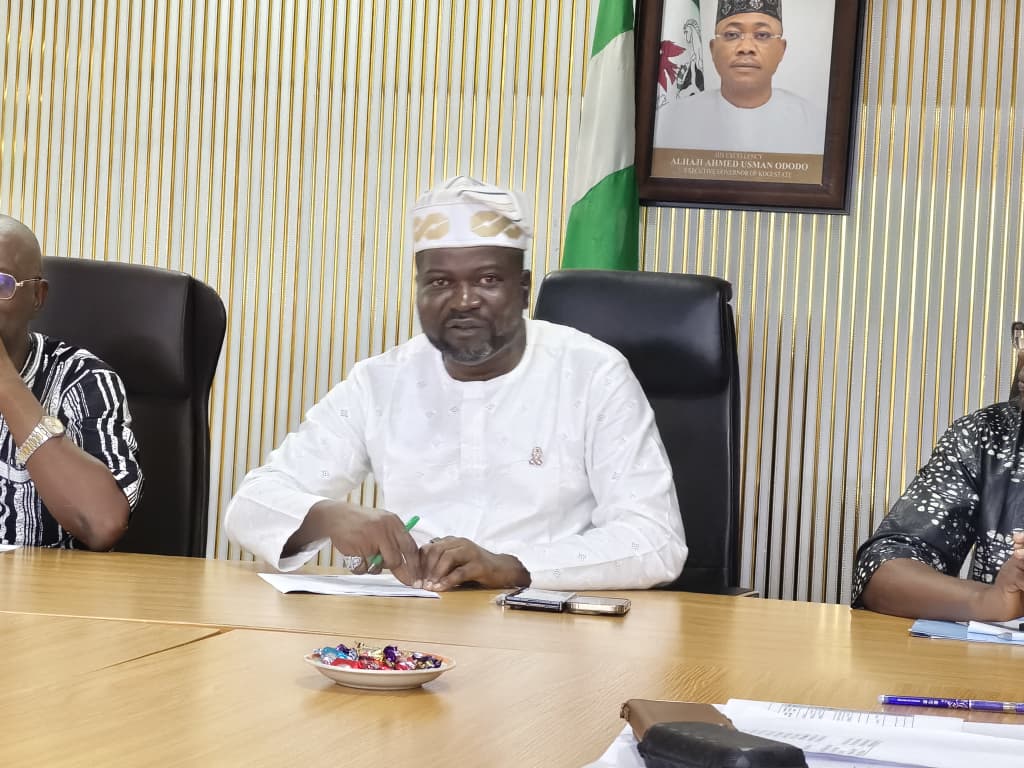
The Kogi State Ministry of Finance, Budget and Economic Planning has commenced strategic deliberations on the 2027 Budget Cash Flow Framework, with stakeholders emphasizing fiscal sustainability, improved revenue generation, efficient resource management, and long-term economic self-reliance for the state.
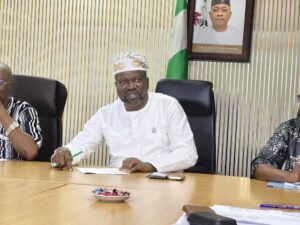
Speaking at the meeting, the Hon. Commissioner for Finance, Budget and Economic Planning, Hon. Asiwaju Idris, FCA, called for greater collaboration among government institutions to drive economic growth and improve the state’s revenue profile.
He stressed the need for continuous innovation and commitment in public service, noting that while government remains committed to providing the necessary support and resources, achieving meaningful results requires collective responsibility and teamwork.
The Commissioner observed that Kogi State is fortunate to have a responsive administration under Governor Ahmed Usman Ododo, who consistently demonstrates willingness to support developmental initiatives and approve critical interventions. He, however, challenged stakeholders to identify and address implementation gaps that hinder optimal outcomes despite the government’s support.
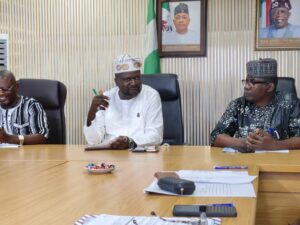
He further urged revenue-generating agencies and economic managers to intensify efforts toward expanding the state’s internally generated revenue base.
According to him, the state’s long-term objective remains the attainment of fiscal strength capable of sustaining major obligations through internally generated resources. He called on stakeholders to take advantage of every opportunity to unlock the economic potential of the state and maximize available resources for development.
The Commissioner also encouraged participants to begin thinking beyond present realities and prepare for a future where states may be required to assume greater fiscal responsibilities. He stressed the importance of identifying and developing Kogi State’s vast economic assets, including its natural resources, agricultural potential, waterways, and strategic location, as part of efforts to build a resilient and self-sustaining economy.
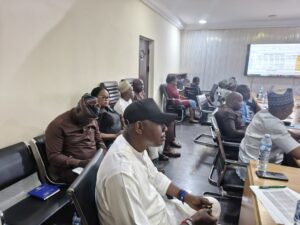
In his remarks, the Permanent Secretary of the Ministry, Mr. Philip Ochu, commended the Hon. Commissioner for providing strategic direction and inspiration. He described the meeting as a critical planning session aimed at producing a realistic and implementable 2027 budget framework.
Mr. Ochu noted that effective planning remains the foundation of successful governance, urging participants to contribute their expertise, experience, data, and constructive recommendations to enrich the budgeting process.
He emphasized that collective commitment and cooperation would be essential to achieving a credible and development-oriented budget.
Also speaking, the Executive Chairman of the Kogi State Internal Revenue Service (KGIRS), Alhaji Sule Salihu Enehe, underscored the growing importance of fiscal federalism and economic self-reliance among sub-national governments. He observed that states must begin to strengthen their internal revenue mechanisms and fully harness their economic potential in anticipation of evolving national fiscal reforms.
The KGIRS Chairman highlighted Kogi State’s vast comparative advantages, including its expansive landmass, agricultural resources, and investment opportunities. He pointed to emerging initiatives in agricultural development, institutional partnerships, and commercial farming as practical examples of how the state can diversify its economy and create sustainable revenue streams.
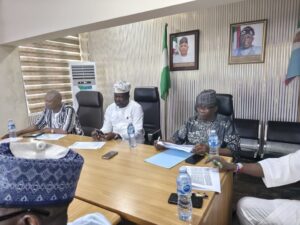
According to him, Kogi possesses the capacity to stand independently through strategic planning, visionary leadership, and deliberate investments in productive sectors of the economy.
Representing the Office of the Accountant General, Dr. Debo Ibitoye reaffirmed the commitment of the state’s accounting and financial management institutions to supporting government policies, reforms, and development initiatives. He assured participants that the office would continue to strengthen accountability, financial reporting, and compliance mechanisms in line with the state’s fiscal objectives.
Dr. Ibitoye also drew attention to the need for strict compliance with Value Added Tax (VAT) deductions and remittances across ministries, departments, and agencies, noting that appropriate measures would be taken to address observed gaps and ensure adherence to statutory financial obligations.
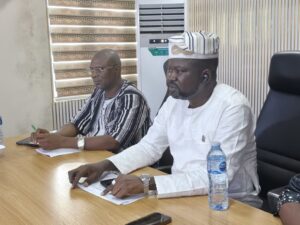
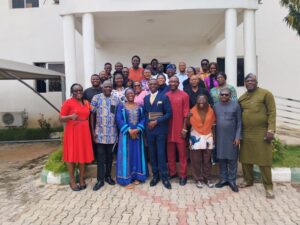
The meeting provided a platform for stakeholders to review current fiscal realities, examine future revenue opportunities, and align strategies toward the development of a realistic, sustainable, and growth-oriented 2027 budget capable of advancing Kogi State’s development aspirations.