By Joseph Adama
The Independent Corrupt Practices and Other Related Offences Commission (ICPC) has intensified efforts to strengthen integrity and accountability in public institutions, training staff of the Kogi State Primary Health Care Development Agency (KSPHCDA) on ethical conduct, transparency and the consequences of corruption in the public service.
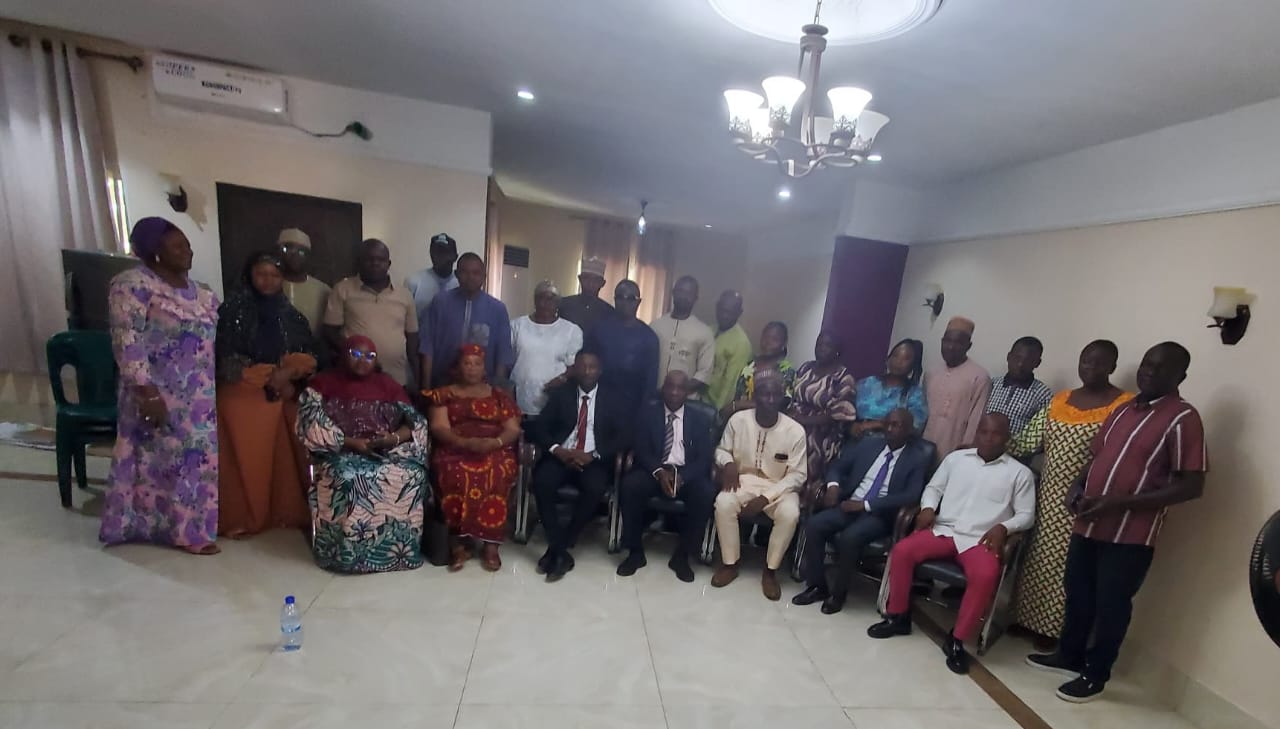
The sensitisation workshop brought together members of staff of the Agency for an in-depth engagement on the mandate and operations of the ICPC, as well as the responsibilities of public officers in safeguarding public resources and upholding the highest standards of professional conduct.
Speaking on behalf of the Executive Director of KSPHCDA, Dr Muazu Omeiza Musa, the Director of Administration, Mr Ijalija Okpanachi David, urged participants to take full advantage of the training and apply the lessons learnt in their daily official engagements.
He said the workshop was a timely opportunity for public servants to deepen their understanding of the rules, regulations and ethical standards governing the public service.
According to him, “This training is an important opportunity for us to understand our responsibilities as public servants, particularly as they relate to transparency, accountability and the proper use of public resources. I encourage everyone to concentrate fully and make the best use of this opportunity.”
Mr David urged participants to listen attentively, ask relevant questions and ensure that the knowledge acquired translates into greater responsibility and improved service delivery.
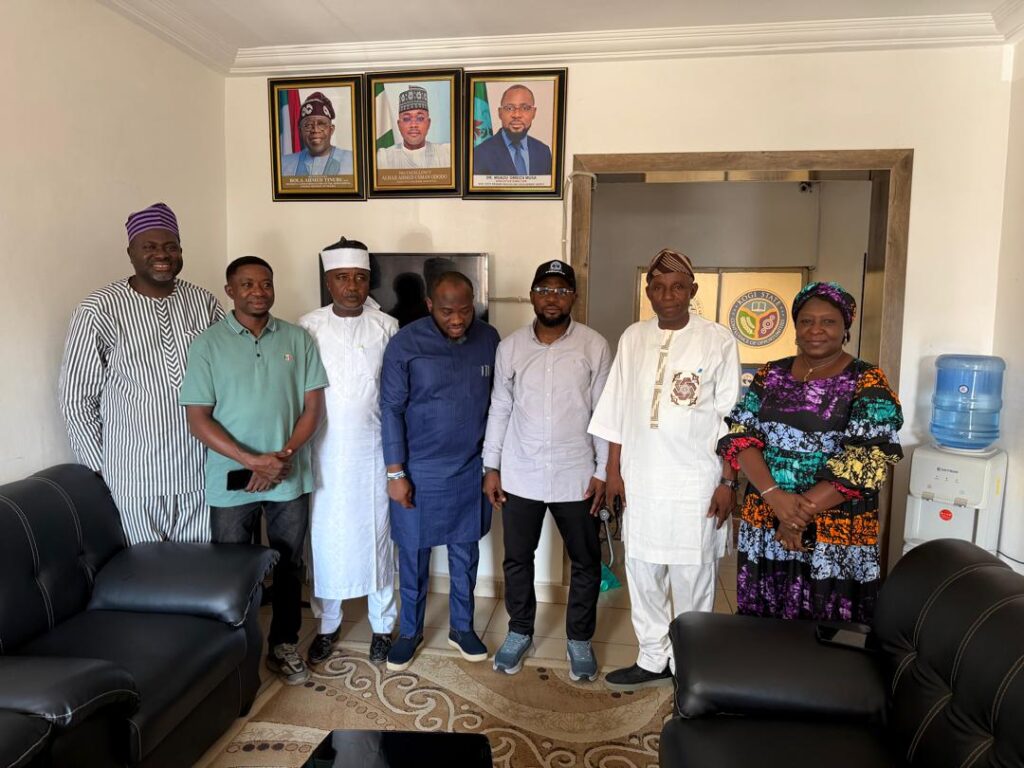
In his presentation, the ICPC team lead, Mr Iliya Dauda, delivered a detailed lecture on the mandate, functions and responsibilities of the Commission, including its role in preventing, investigating and prosecuting corruption and related offences in accordance with the law.
He took participants through conduct that could constitute corrupt practices and cautioned public officers against demanding or receiving gratification, abusing official positions, diverting public resources, falsifying records or engaging in activities capable of compromising the integrity of their offices.
Mr Dauda outlined practical measures civil servants must adopt to avoid corruption, stressing the importance of honesty, transparency, proper documentation, accountability and strict adherence to financial and administrative procedures.
He maintained that public office comes with enormous responsibility and called on civil servants to demonstrate discipline, integrity and professionalism in the discharge of their official duties.
The workshop also featured an interactive question-and-answer session, during which staff members sought clarification on the powers of the Commission, including its authority to prosecute individuals involved in corruption-related offences and the extent of its independence in carrying out its statutory responsibilities.
The discussions provided participants with greater insight into the workings of the Commission, its relationship with other arms of government and the legal framework guiding its operations.
In his vote of thanks, the Director of Accounts and Finance, Mr Raji Sumaila A., appreciated the ICPC team for educating staff of the Agency on corruption prevention and ethical conduct.
He also commended the management of KSPHCDA for providing the platform for the engagement and urged participants to put the knowledge acquired into practice.
The workshop underscored the importance of continuous sensitisation and capacity building in strengthening institutional integrity, promoting accountability and ensuring that public resources are deployed for the benefit of the people.
For the KSPHCDA, an agency at the forefront of delivering primary healthcare services across Kogi State, the commitment to transparency, accountability and ethical conduct remains critical to effective service delivery and the sustenance of public confidence.