Commission seeks stronger collaboration with Local Government Service Commission
By Princess Funsho Sumanu
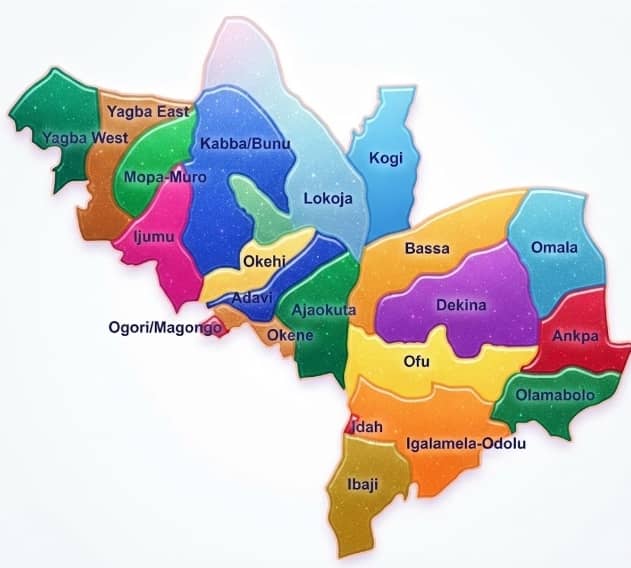
The Kogi State Fiscal Responsibility Commission (FRC) has intensified moves to strengthen fiscal discipline across the state’s 21 local government areas, calling for closer collaboration with the Kogi State Local Government Service Commission to improve revenue management, budgetary compliance and accountability in the use of public resources.
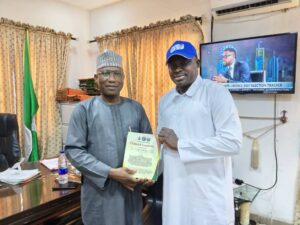
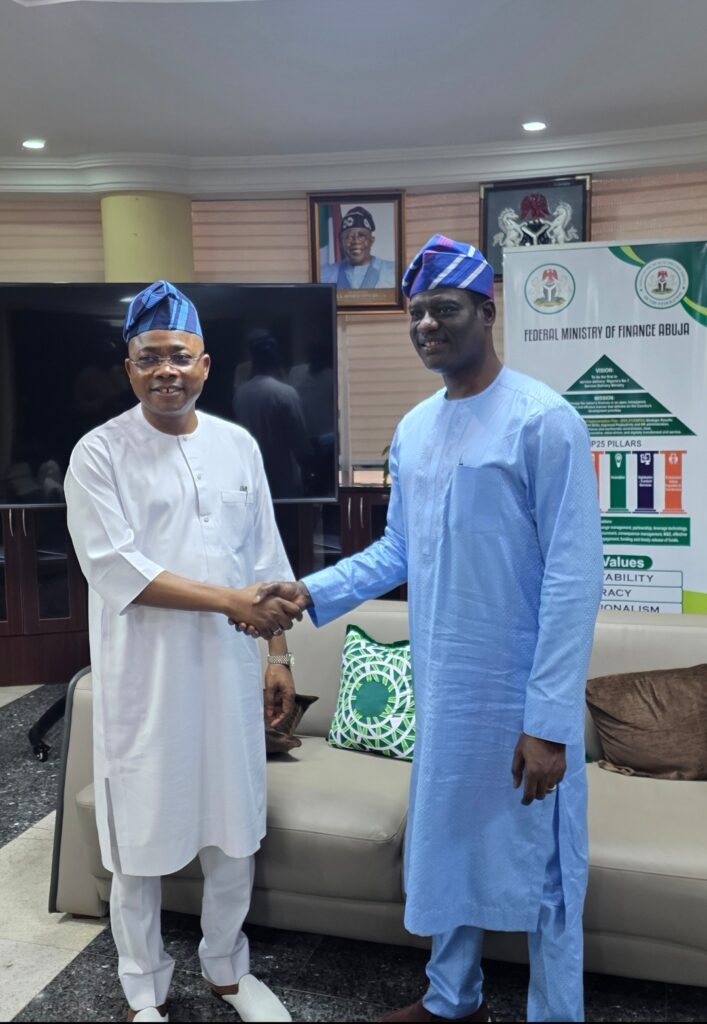
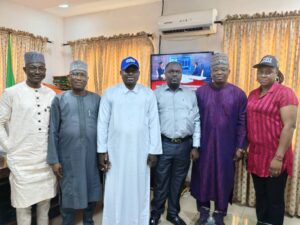
Chairman of the FRC, Mallam Jimoh Muhammed, made the call during an advocacy visit to the Kogi State Local Government Service Commission, where he outlined the Commission’s statutory mandate and urged local government authorities to deepen their understanding and compliance with the reviewed Fiscal Responsibility Law.
Muhammed said the FRC’s responsibilities covered critical aspects of public financial management, including the Medium-Term Expenditure Framework (MTEF), annual budget preparation and monitoring, internally generated revenue (IGR) and prudent management of public funds.
He stressed the need for greater citizens’ participation in the budget process, particularly during the preparation of the MTEF and annual budgets.
According to him, budgets should not be prepared exclusively within government offices and imposed on the people, but should reflect the needs and priorities of the communities they are meant to serve.
He argued that involving citizens in the budget process would promote ownership of government programmes while ensuring that public expenditure was directed towards projects capable of addressing genuine community needs.
The FRC chairman disclosed that the Commission had devoted considerable time to sensitising public institutions and officials on the existence and provisions of the reviewed law, adding that it was now moving into the enforcement phase.
Muhammed, however, stressed that enforcement was not designed to intimidate public officers or frustrate their duties, but to ensure that government officials discharged their responsibilities diligently and within the provisions of the law.
He said the ultimate objective was to strengthen accountability and enable public officers to leave office with credible records of service without raising questions about their management of public resources.
The chairman expressed the ambition of the Commission to see Kogi emerge among the top three fiscally compliant states in Nigeria, describing the goal as part of efforts to make the state a model of fiscal responsibility.
He disclosed that extensive consultations preceded the review of the Fiscal Responsibility Law, with new provisions introduced to strengthen the institutional framework for fiscal management in the state.
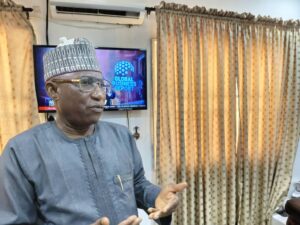
Muhammed also drew attention to the funding of the Commission, noting that the law recognises the role of local governments in supporting its activities.
He explained that adequate funding was critical to effective oversight of local government fiscal activities, particularly as the Commission seeks to expand its monitoring and compliance functions.
Another major issue raised by the FRC chairman was the need for the state government to establish mechanisms for saving excess internally generated revenue and other available resources.
He said such savings could provide a financial buffer for government when resources become constrained, facilitate the funding of critical projects and reduce excessive dependence on borrowing.
Muhammed also expressed concern over the quality of financial data being submitted by some local governments during the MTEF process, stressing that reliable data remained fundamental to effective planning, budgeting and development.
He explained that ensuring that revenue collected by local governments was properly accounted for and paid into the appropriate accounts would not deprive them of their resources.
Rather, he said, it would provide credible records of their actual revenue performance and strengthen their position during subsequent reviews of revenue allocation.
Accurate revenue data, he added, would enable local governments to better understand their financial position and improve their capacity to plan and execute development programmes.
Responding, Chairman of the Kogi State Local Government Service Commission, Hon. Adams Adebenege, pledged the Commission’s readiness to collaborate with the FRC in promoting awareness and compliance with the reviewed Fiscal Responsibility Law.
Adebenege specifically requested copies of the reviewed law for detailed study, promising that the document would subsequently be made available to the 21 local government areas to enable them understand its provisions and their statutory responsibilities.
He said the Local Government Service Commission would assist in educating local government officials on the requirements of the law, the importance of compliance and how they could effectively key into the activities of the Fiscal Responsibility Commission.
The chairman acknowledged that while the existence of the FRC was generally known, some public officials might not have sufficient understanding of its statutory responsibilities.
He therefore welcomed the sensitisation exercise, describing it as an important step towards strengthening institutional understanding and cooperation.
Adebenege assured the FRC of the Local Government Service Commission’s administrative support within its mandate, stressing that government institutions must work together to ensure that the objectives for which the Fiscal Responsibility Commission was established were fully achieved.
Also speaking, the Director, Monitoring and Evaluation Department of the FRC, Mr Bello Joseph, thanked the Local Government Service Commission for its reception and willingness to collaborate.
Bello observed that many government officials were still unfamiliar with the functions of the FRC and provisions of the reviewed law, making sustained sensitisation essential.
He stressed that civil servants had a responsibility to support successive administrations by implementing lawful government policies and programmes for the benefit of the people, irrespective of changes in political leadership.
Bello identified inadequate funding as one of the major challenges confronting the Commission and appealed for institutional support to enable it become fully operational and effectively discharge its statutory responsibilities.
He also sought assistance in facilitating the necessary approvals and support required to strengthen the Commission’s operations.
Bello expressed confidence in the ability of Adebenege to support the Commission’s activities, reaffirming the FRC’s commitment to working with the Local Government Service Commission and other relevant institutions to strengthen fiscal responsibility across Kogi State.
The engagement ended with both institutions reaffirming their commitment to stronger collaboration, improved awareness of the reviewed Fiscal Responsibility Law, enhanced revenue accountability and effective implementation of fiscal responsibility measures across the state and its 21 local government areas.