By Princess Funsho Sumanu
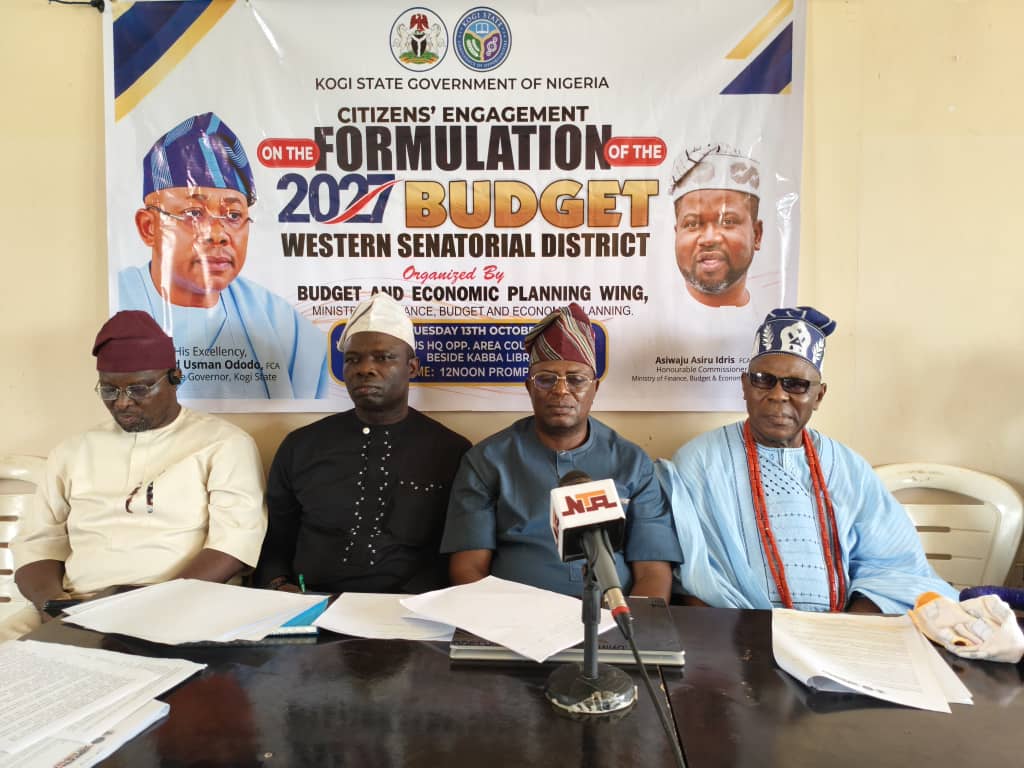
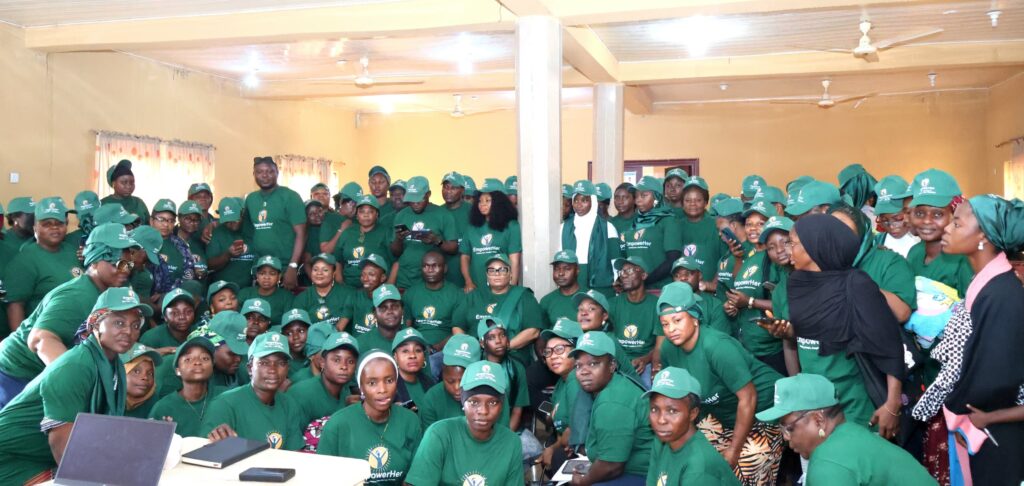
The Kogi State Government has continued its citizens’ engagement and budget sensitisation exercise in Kogi West Senatorial District, urging residents, traditional institutions, civil society organisations, and other stakeholders to take an active part in preparing the 2027 budget.
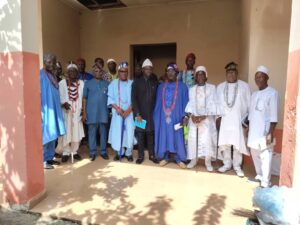
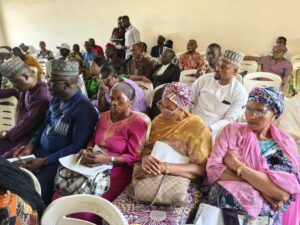
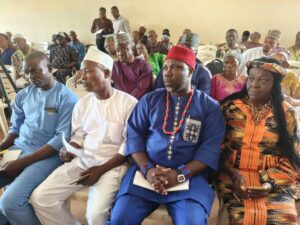
The engagement, held in Kabba on Tuesday, October 13, 2026, is part of the state government’s efforts to deepen citizens’ participation in the budget process, promote transparency and ensure that public spending reflects the needs and priorities of the people.
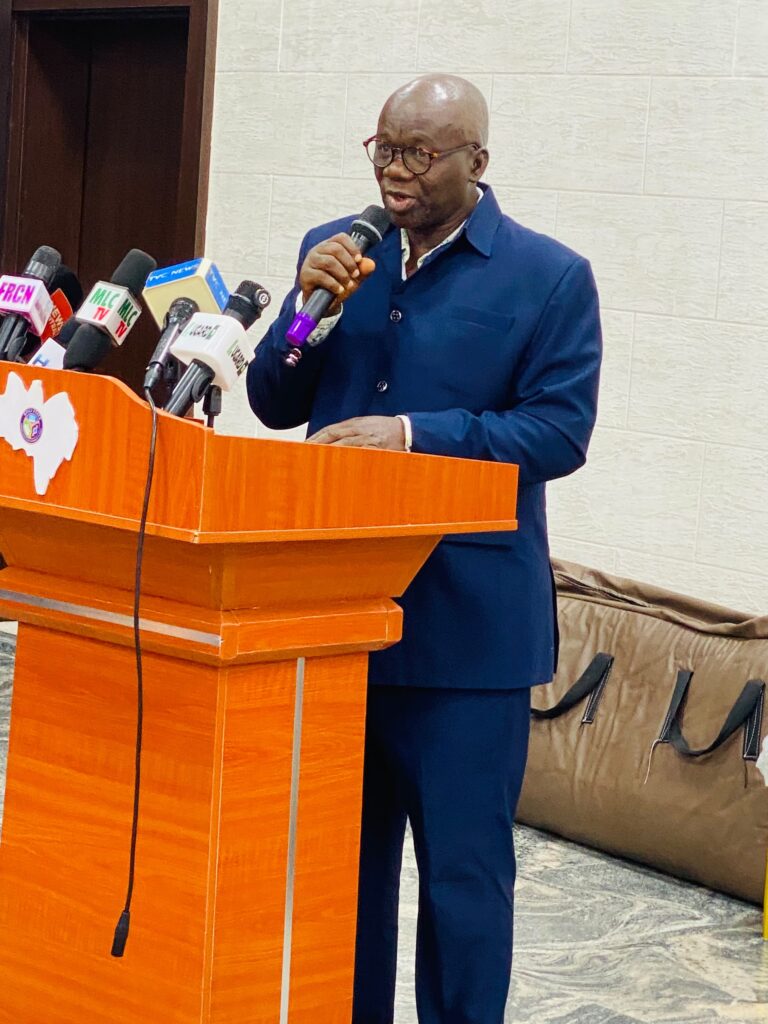
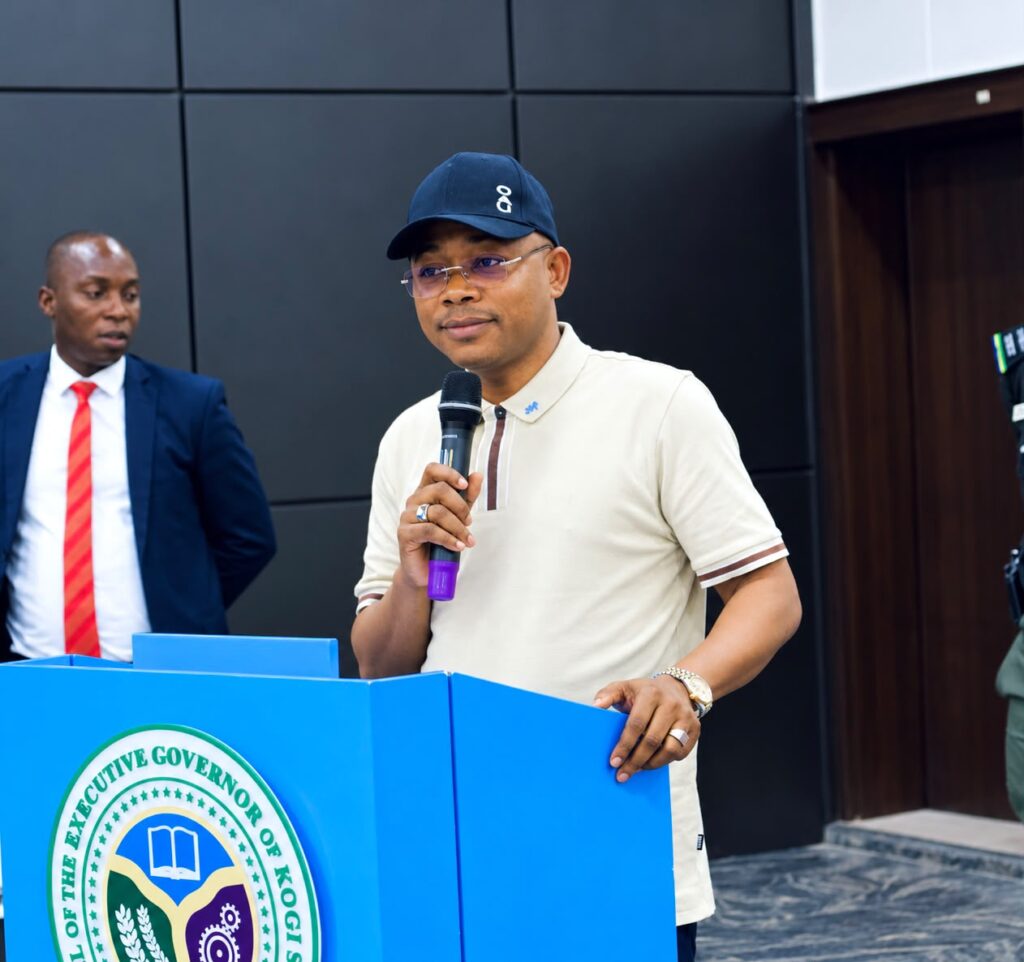
The Commissioner for Finance, Budget and Economic Planning, Hon. Asiwaju Ashiru Idris, FCA, who was represented by the Special Adviser I to the Governor on Budget and Economic Planning, Mr Olajide Samuel, said the engagement was designed to bridge the gap between government planning and the expectations of citizens.
He explained that the budget was not merely a financial document but a development instrument through which the government translates its priorities and policies into projects and programmes that improve the lives of the people.
The Commissioner emphasised the importance of public participation in budget preparation, noting that citizens have a responsibility to contribute ideas, identify pressing needs in their communities and monitor the implementation of approved projects.
He further stressed the need to move from appropriation to results, explaining that the true value of a budget lies in its ability to deliver tangible benefits to the people. He urged stakeholders to engage constructively with the government and support the process of building a budget that promotes inclusive development across the state.
The Commissioner reaffirmed the state government’s commitment to responsible fiscal management and the implementation of policies and programmes that address the developmental needs of the people.
He highlighted the importance of citizens’ involvement in the budget process, noting that effective engagement provides an opportunity for the government to understand the concerns of the people and align development priorities with their expectations.
He encouraged participants to make meaningful contributions, stressing that the success of the exercise would depend on the quality of the recommendations presented and the collective commitment to ensuring that budgetary decisions translate into improved living conditions.
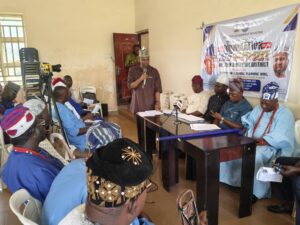
Also speaking, the Chairman of Kogi NGOs Network (KONGONET), Barr. Hamza Aliyu, emphasised the role of civil society organisations in promoting accountability, transparency and citizens’ participation in governance.
He noted that budget transparency goes beyond making financial documents available to the public, stressing the need for citizens to understand budget provisions, participate in decision-making and follow the implementation of projects and programmes.
Aliyu encouraged the government to sustain the engagement and strengthen the channels through which citizens can contribute to budget preparation and monitor public expenditure. He maintained that active collaboration between government and civil society would promote accountability and ensure that public resources are directed towards projects that respond to the needs of the people.
In his Paper presentation, Ambassador Idris Ozovehe Muraina underscored the importance of citizens’ engagement as a means of promoting inclusive governance and ensuring that development priorities reflect the realities of communities.
He encouraged stakeholders to take advantage of the platform to articulate their concerns and make practical recommendations that would help the government deliver on its development objectives.
Muraina also highlighted the importance of collaboration among government institutions, community leaders, civil society groups and citizens in achieving sustainable development, urging participants to support initiatives that would improve the welfare of residents across Kogi State.
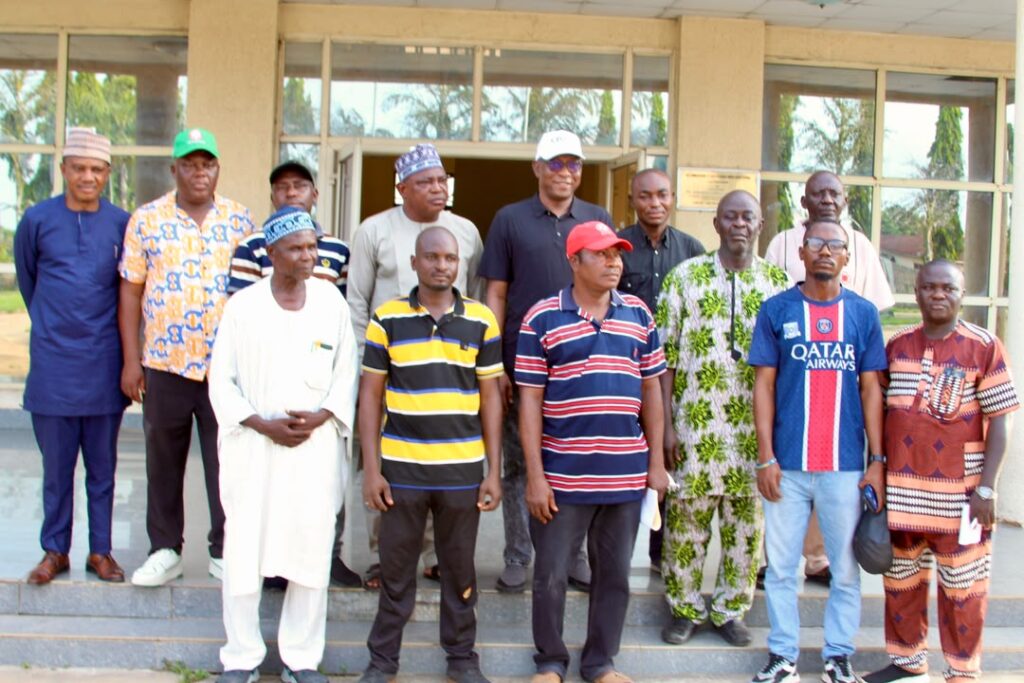
Speaking on behalf of other traditional rulers and chiefs, HRH Oba Dofin, of Owe Land, HRH Olusegun Areh, commended the Kogi State Government for creating an avenue for citizens and traditional institutions to participate in budget preparation.
He called on participants to appreciate the Governor and the Commissioner for Finance, Budget and Economic Planning for their efforts, describing the messages delivered by the Commissioner’s representative and Ambassador Muraina as relevant to the development aspirations of the state.
Oba Areh particularly applauded the emphasis on moving from appropriation to results, noting that the success of a budget should be measured by its impact on the lives of ordinary citizens rather than the completion of the budget preparation and approval process alone.
He observed that while macroeconomic policies might appear to be progressing at the national level, many citizens continued to experience difficulties at the grassroots.
According to him, state and local governments have important roles to play in addressing these challenges through practical policies and projects that respond to the everyday needs of the people.
The traditional ruler expressed optimism that the ongoing engagement would help Kogi State identify clear priorities and develop a budget capable of delivering measurable results for its citizens.
He urged the government to give food security greater attention in project planning, stressing that the availability and affordability of food remain essential to the well-being of the people.
Oba Areh also called for improved rural and inner roads to facilitate the movement of agricultural produce from farms to markets.
He explained that poor road conditions could make transportation difficult for farmers, hinder the distribution of food and affect agricultural activities and local economic growth.
On electricity, he highlighted the challenges faced by small businesses, including barbershops, hair salons, market traders and other operators who depend on reliable power to sustain their activities.
He noted that the high cost of alternative energy sources places additional pressure on small businesses and urged the government to sustain efforts towards making electricity more accessible and affordable.
Addressing the education sector, the traditional ruler stressed that investment in education should extend beyond the construction of school buildings and the provision of furniture. He called for greater attention to teachers’ welfare, remuneration and allowances, noting that adequate incentives were necessary to attract and retain qualified teachers and sustain effective teaching and learning.
He urged the government to ensure that budgetary decisions prioritise the needs of the people and produce visible improvements in food security, rural infrastructure, electricity, education and other essential sectors.
The Kabba engagement marks a continuation of the state government’s efforts to take budget sensitisation and citizens’ participation across the three senatorial districts, providing stakeholders with an opportunity to contribute to the formulation of a budget that reflects local realities and supports the administration’s development agenda.
The exercise also reinforces outcomes for the people of Kogi State.