30 500KVA Transformers, Transmission Plans, Regulatory Reform Signal New Drive to Power Communities, Businesses
By Joseph Adam
PRO, KSPHCDA
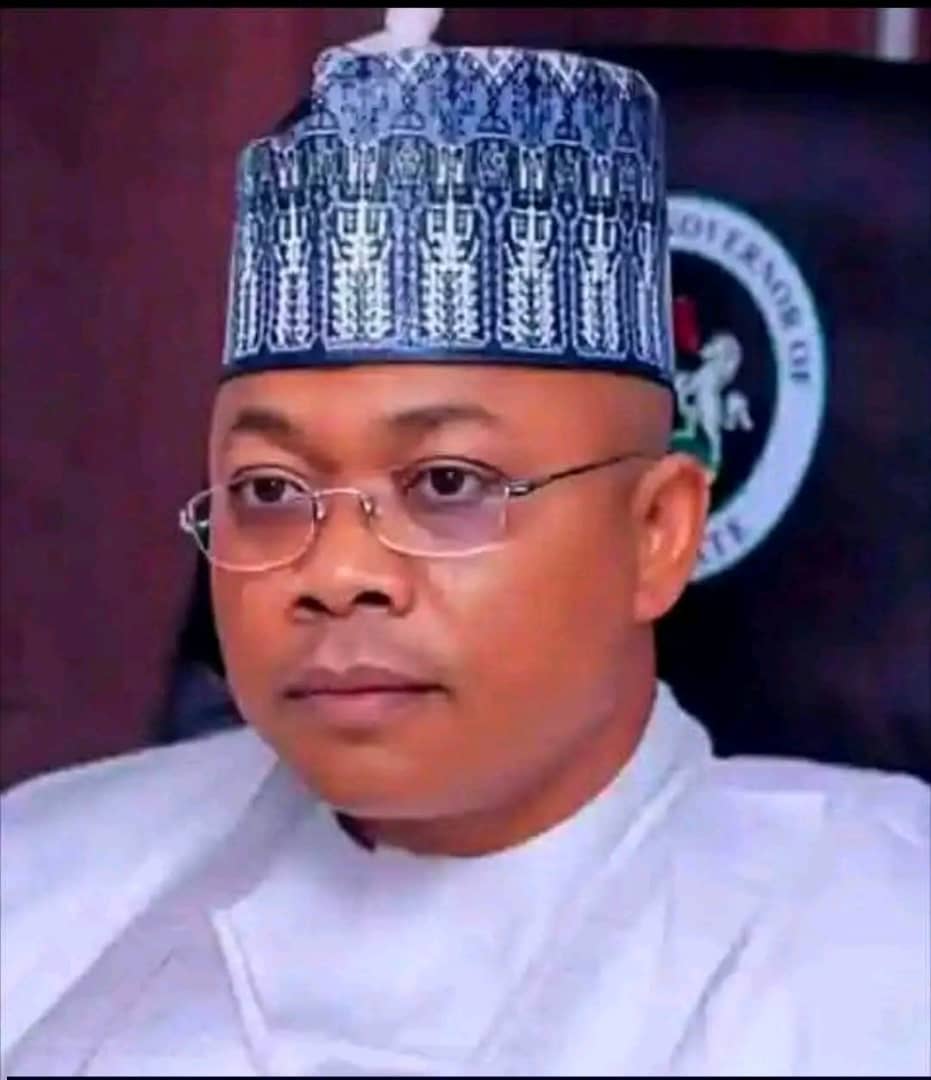
Electricity is no longer just a household necessity; it is the engine that powers businesses, industries, healthcare, education, agriculture and virtually every aspect of modern economic life. For Kogi State, where inadequate power supply has remained a major constraint to development, the emerging interventions of Governor Ahmed Usman Ododo represent a significant attempt to change the narrative.
From the distribution of 30 units of 500KVA transformers across the three senatorial districts to plans for a new transmission station in Kogi East and the establishment of the Kogi State Electricity Regulatory Commission (KERC), the Ododo administration appears determined to address the state’s electricity challenges through a combination of immediate infrastructure interventions and longer-term institutional reforms.
The administration’s power agenda has therefore moved beyond rhetoric to a series of initiatives designed to improve electricity supply, stimulate economic activity and create a more dependable environment for communities and businesses.
One of the most visible interventions is the statewide transformer programme launched in October 2025, through which 30 units of 500KVA transformers were earmarked for communities across Kogi’s three senatorial districts.
The initiative was conceived to strengthen electricity supply, reduce pressure on existing infrastructure and support economic activities across the state. It was also expected to help reduce post-harvest losses and improve the operating environment for small businesses.
For ordinary Kogites, the significance of such an intervention is straightforward. A functional transformer can mean longer business hours for traders, reduced dependence on generators, improved preservation of agricultural produce and better operating conditions for artisans and small-scale enterprises.
The benefits also extend to schools, healthcare facilities, water systems and other essential public infrastructure that depend on reliable electricity.
The administration’s approach became even more evident in July 2026 when the state government delivered a new 500KVA transformer to Zango-Daji in Lokoja, fulfilling an earlier commitment to the community and helping restore electricity to residents and businesses that had endured prolonged disruption.
Such community-level interventions are important because they demonstrate how government policies can translate into tangible benefits in the daily lives of citizens.
But the administration’s electricity strategy goes beyond transformers.
Recognising the need for a more structured electricity ecosystem, the state has embraced the opportunities presented by Nigeria’s amended Electricity Act and established the Kogi State Electricity Regulatory Commission.
The regulatory initiative could become an important foundation for a more organised electricity market in the state, particularly as Kogi seeks to attract investment, expand commercial activities and develop alternative approaches to power generation and distribution.
Another major component of the administration’s electricity agenda is transmission infrastructure.
In February 2026, Governor Ododo announced that plans were at an advanced stage for the establishment of an electricity transmission station in Kogi East. For communities that have historically struggled with inadequate power supply, the proposed facility could represent a significant step toward improving the stability and capacity of electricity delivery in the region.
The proposed transmission project also reinforces the administration’s stated commitment to balanced development across the state.
Indeed, the distribution of the 30 transformers across the three senatorial districts demonstrates an attempt to ensure that electricity infrastructure is not concentrated in a particular geographical area. Ten of the transformers, according to the state government, were allocated to communities in Kogi East.
Governor Ododo’s interest in the power sector is also backed by professional experience. Having previously worked with the defunct National Electric Power Authority, NEPA, the Governor brings personal familiarity with some of the challenges confronting Nigeria’s electricity industry.
That background was reflected in June 2026 when he called on retired power-sector professionals to bring their experience and institutional knowledge to bear on the state’s ongoing electricity reforms.
For an economy heavily dependent on agriculture, improved electricity could have far-reaching consequences for Kogi.
Farmers and agro-processors need electricity for milling, grinding, refrigeration, irrigation, processing and storage. Reliable power can therefore help reduce post-harvest losses while enabling producers to move further up the agricultural value chain.
The same applies to young entrepreneurs and artisans whose businesses are often burdened by the high cost of alternative power sources.
A reliable electricity supply can reduce operating costs, improve productivity and create opportunities for businesses to expand without being forced to relocate to major urban centres.
Yet, the challenges remain substantial.
Nigeria’s electricity crisis is deeply rooted in problems involving generation, transmission, distribution, infrastructure maintenance, vandalism, financing and institutional coordination. Kogi State, like every other state, cannot independently resolve all the challenges confronting the national power sector.
What the state government can do, however, is address the problems within its jurisdiction, build partnerships and create the infrastructure and regulatory environment necessary to attract further investment.
That appears to be the direction of the Ododo administration.
The combination of transformer deployment, community-specific interventions, regulatory reform, transmission planning and engagement with experienced professionals suggests an emerging electricity strategy that seeks to provide immediate relief while laying the foundation for more sustainable solutions.
Ultimately, the success of the administration’s electricity agenda should not be measured merely by the number of transformers installed or projects announced, but by the impact those interventions have on the lives and livelihoods of Kogites.
If businesses can stay open longer, farmers can preserve and process their produce, healthcare facilities can function more efficiently, schools can deploy technology and communities can reduce their dependence on costly generators, then electricity infrastructure becomes more than a government project—it becomes an instrument of economic transformation.
Governor Ahmed Usman Ododo’s emerging power agenda therefore deserves sustained attention and support.
There is still a long road ahead, but the direction is increasingly clear: Kogi is seeking to move from managing electricity shortages to building an electricity system capable of powering its economic future.
For a state with enormous agricultural, commercial and human potential, that transformation could prove to be one of the most consequential legacies of the Ododo administration.