By Abah Benjamin Eneojoh
Zariagi, Lokoja
November 10, 2026
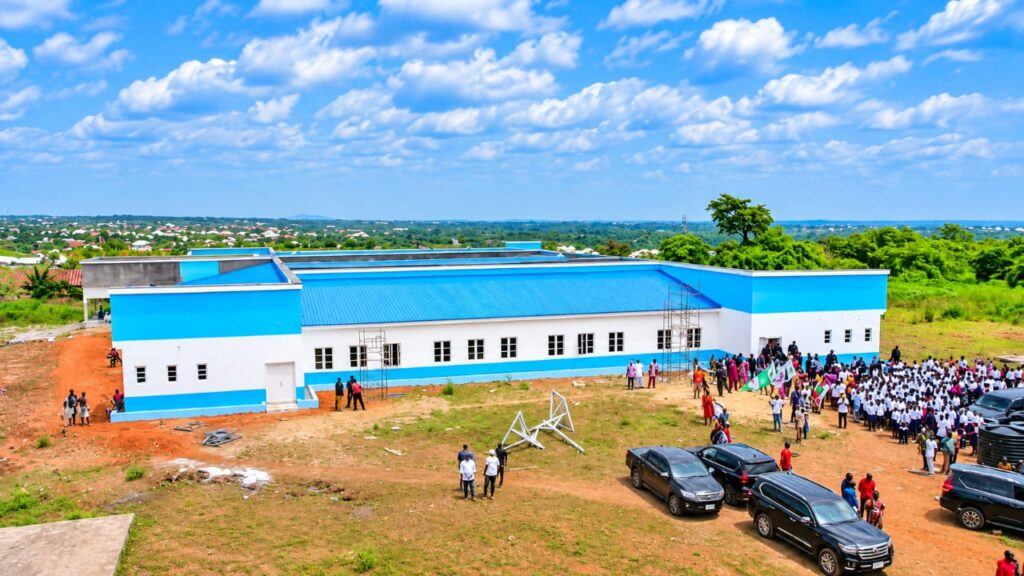
President Bola Ahmed Tinubu has officially flagged off the construction of the Kogi International Cargo Airport at Zariagi, Adavi Local Government Area, describing the landmark project as a strategic investment that will unlock economic opportunities, attract global investments and accelerate Nigeria’s economic growth.
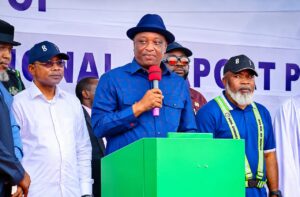
Represented by the Minister of Aviation and Aerospace Development, Festus Keyamo, the President performed the groundbreaking ceremony on Tuesday, November 10, 2026, commending Governor Ahmed Usman Ododo for his visionary leadership and commitment to positioning Kogi State as a major economic and transportation hub.
The President declared that the project had placed Zariagi on the global aviation map, explaining that the airport’s recognition within the international aviation system would significantly enhance the visibility and economic relevance of the community and Kogi State. He dismissed criticisms surrounding the project, insisting that strategic infrastructure must be provided to attract businesses and investments. He projected that the airport would generate between 2,000 and 3,000 direct and indirect jobs for residents, while calling on the host community and stakeholders to support its successful delivery.
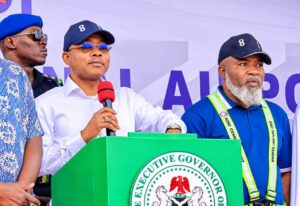
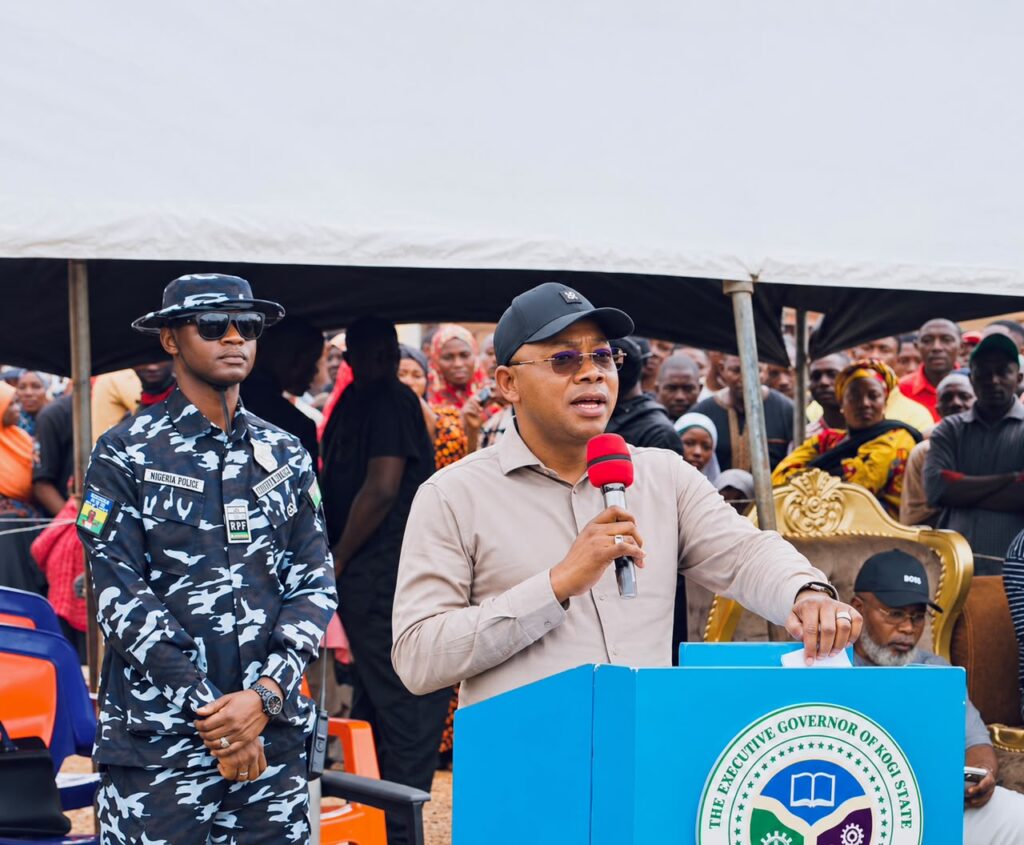
Earlier, Governor Ododo described the groundbreaking as a defining milestone in Kogi State’s economic transformation, noting that the airport would strengthen the state’s strategic advantage as a centre for commerce, transportation, logistics and investment. He said the facility would stimulate growth across agriculture, mining, manufacturing, tourism and hospitality, while providing farmers and agro-processors improved access to national and international markets. Highlighting Kogi’s agricultural potential in cashew, cassava and other commodities, the Governor said efficient cargo-handling facilities would help local producers reach wider markets, improve earnings and create wealth. He consequently invited investors and business leaders to take advantage of the emerging opportunities, reaffirming that Kogi State was open for business.
The Governor expressed profound appreciation to President Tinubu for his support and the Federal Government’s cooperation in advancing critical infrastructure projects. He noted that the airport represented a strategic step towards diversifying the state’s economy, strengthening its competitiveness and translating Kogi’s geographical advantage into tangible economic prosperity for the people.
In his presentation, the Commissioner for Works, Momoh Salami Ozigi, described the airport as a deliberate economic strategy to transition Kogi from its traditional civil service-dependent economy to an industrial and commercially driven destination. He disclosed that the first phase of construction would cover essential airside and landside facilities, including a 3,600-metre runway, taxiways, aircraft parking apron, drainage systems, perimeter fencing and access roads. The runway, he explained, would be constructed in line with International Civil Aviation Organisation standards and designed to accommodate wide-body aircraft, including Boeing 747.
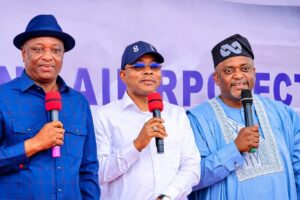
Also speaking, the Commissioner for Transportation, Atuluku Levi, described the groundbreaking as the beginning of a new chapter of enhanced connectivity, economic transformation and sustainable development for Kogi State.
The Managing Director of CCECC, Henry Shuo, expressed appreciation to the state government for the confidence reposed in the company, assuring that it would deploy its technical expertise and experience to ensure quality delivery of the project.

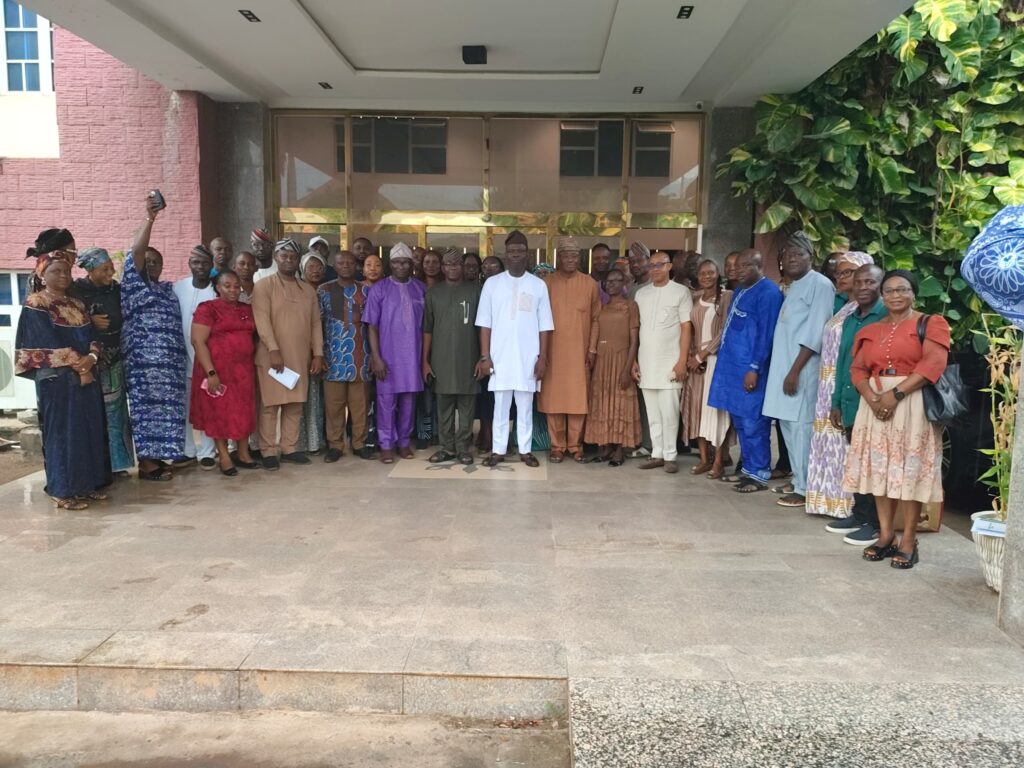
Speaking on behalf of traditional rulers, the Ohinoyi of Ebiraland, Alhaji Ahmed Tijani Anaje, pledged the support of traditional institutions for the airport and other initiatives capable of promoting development and improving the welfare of the people. The ceremony attracted top government officials, members of the legislature, traditional rulers, heads of institutions, political leaders and other stakeholders, marking a significant step in Kogi State’s drive towards becoming a leading destination for aviation, trade, investment and industrial growth.