By Taiye Bayode
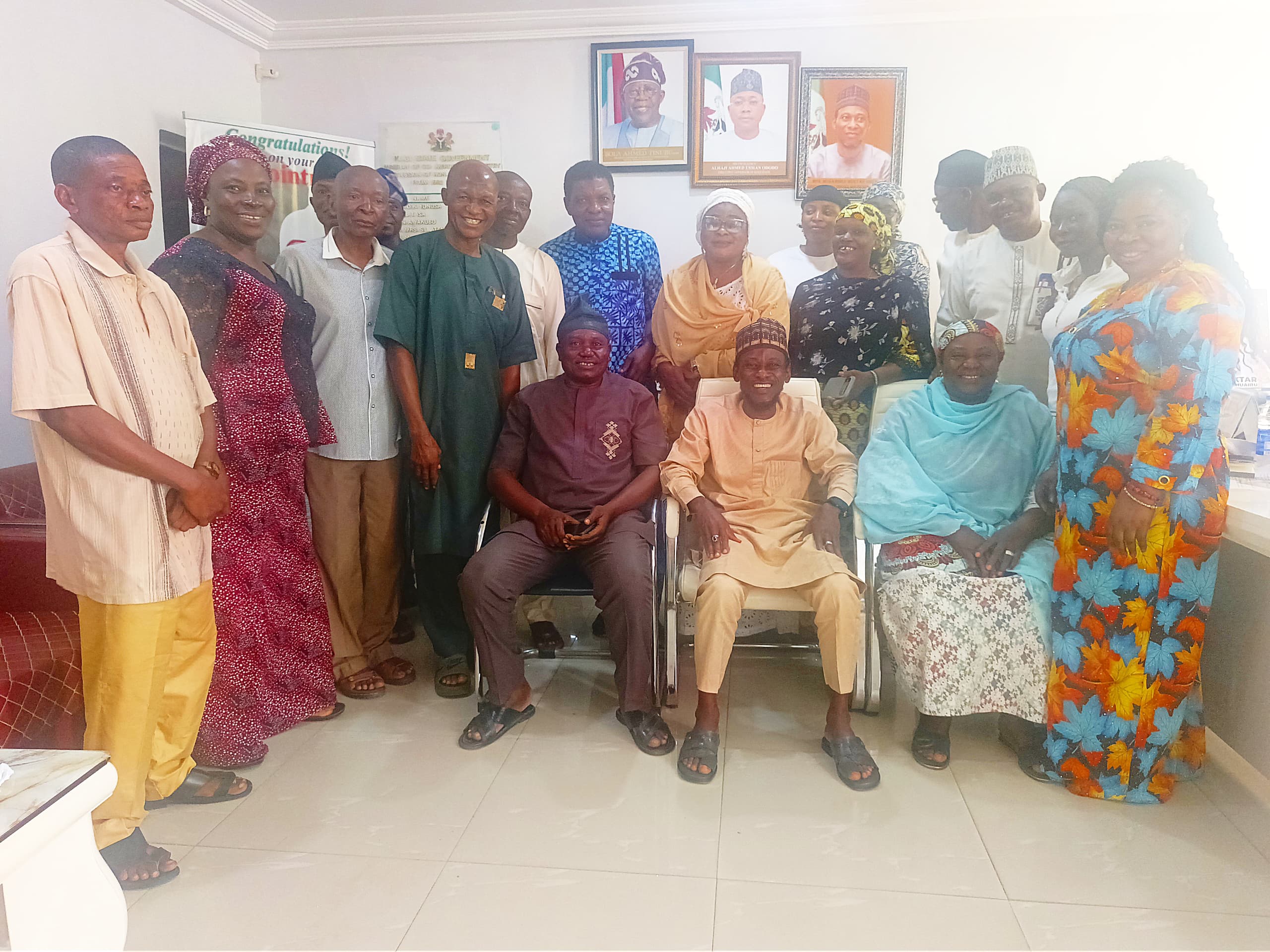
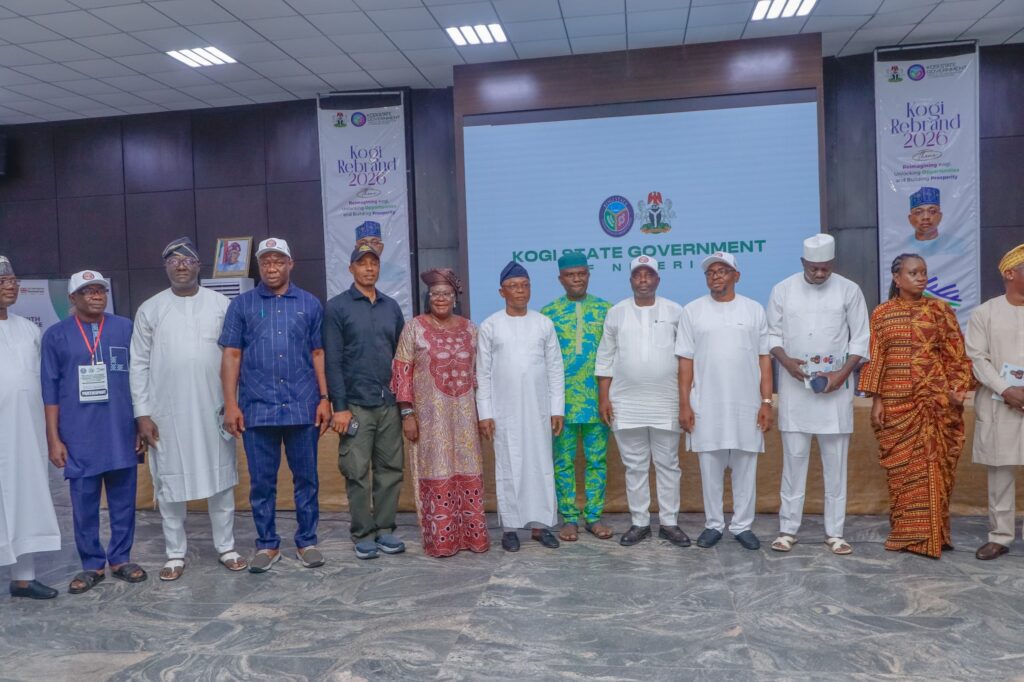
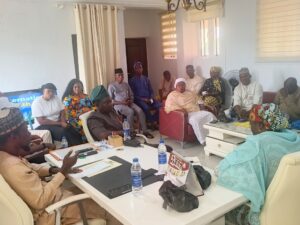
As part of Governor Ododo’s continued effort to strengthen collaboration and chart a strategic path for commercial growth in Kogi State, the State Government, through the Kogi Ministry of Commerce and Industry, convened a stakeholders’ meeting with operators and associations within the Micro, Small and Medium Enterprises (MSME) ecosystem, at the State Secretariat, Lokoja.
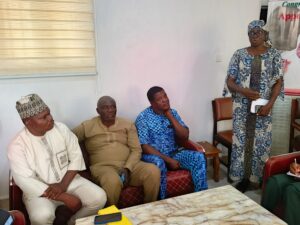
The meeting which had representatives from the Kogi Enterprise Development Agency (KEDA), the Federation of Informal Workers of Nigeria (FIWON), the Kogi State Market Men and Women Association, alongside other associations drawn from the informal and small business sector, sought to strengthening unity, build a centralized Database and map out a strategic measurable plan to empowering SMEs in the state.
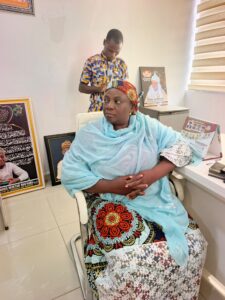
Honourable Commissioner for Commerce & Industry, Alh. Muhammed Muktar Shuaibu, reiterated how important & vital SMEs are to the vision of His Excellency, Kogi State Governor, Alh. Ahmed Usman Ododo, stating that “it is important for everyone to work. Artisans, small business owners alike all have a role to play in Kogi, which is something the Governor is very passionate about. No one should be left idle without finding out what they’re good at & would want to do”
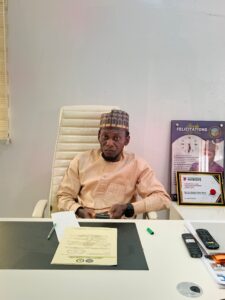
The Commissioner who referenced the Chinese model as a means of entrepreneurship & longevity, also explained how gatherings like this are crucial for growth & adaptability in an ever changing society.
Earlier declaring the meeting’s purpose, the Secretary SME of the Ministry, Mrs Victoria Osasona, explained that the gathering was convened not merely for deliberation but to arrive at something strategic, stressing that the population and productivity of the State’s MSMEs directly determine the growth of Kogi State as a whole, and that contributions were welcome from every level, since useful ideas are not the preserve of any one office.
Chipping in, Permanent Secretary, Hajiya Musa-Amana Sualihat in her own remarks, commended the Commissioner, describing his presence as proof that the outcomes of the meeting would carry political weight, while urging stakeholders to bring genuine commitment rather than repeat old approaches and expecting new results..
Hajiya Sualihat who touched on unity of purpose, also emphasized the need for teamwork among the different associations and the Ministry, with Stakeholders agreeing that although they represented different organizations and constituencies, they shared one common goal, and resolved to see themselves as one family working toward that goal rather than operating in isolation.
Federation of Informal Workers of Nigeria (FIWON) representative, Maryam Usman described associations trusting one another enough to share contacts, information and support without hesitation.
Kogi State Market Men and Women Association representative, Abdullsalam Danjana, also called for cooperation to be extended into governance itself, proposing that stakeholders be formally integrated into the Ministry’s SME policy meetings and committees, so that grassroots ideas can feed directly into policy rather than being gathered only at periodic stakeholder engagements.
While discussing the modalities for a centralized database, KEDA representatives, Mr. Akin Akinola & Usman Zubari informed stakeholders of an ongoing drive to register 10,000 MSMEs and informal sector operators with the Corporate Affairs Commission (CAC) in phases, with the first and second batches already completed and the process ongoing, an initiative undertaken in support of a similar nationwide push by the Federal Government to register 250,000 MSMEs under the Small and Medium Enterprises Development Agency of Nigeria (SMEDAN).
It was also explained that CAC and SMEDAN registration would give government a reliable, retrievable database of businesses by sector and location, making it easier to target support and empowerment programs to specific categories of operators, and that association heads, who already hold membership records for their unions, would be engaged by the Ministry’s zonal officers to compile and standardize this data into a single, unified template covering all registered associations.
Federation of Informal Workers of Nigeria (FIWON) President, Comr. Olarewanju Bolaji, also shared how its internal cooperative scheme allows members to save flexibly and access emergency loans of up to twice their savings at a modest interest rate, without collateral, describing it as a safer and more accessible model than commercial bank lending, with stakeholders agreeing that every association without an existing cooperative structure be encouraged to establish one.
On access to formal credit, stakeholders reviewed ongoing engagement with Banks, disclosing that they’re also pursuing a matching-fund arrangement from international partners, including the African Development Bank, to widen access to grants, with stakeholders agreeing that financial literacy and business management training must accompany any funding support, since capital given to untrained beneficiaries is often mismanaged or lost.
Furthermore, there was also a review of the state of skills acquisition infrastructure, at the Industrial Training Fund (ITF) centre used for Kogi State trainees, with KEDA commended for having independently secured a modern training facility in Okene, sourced through a private philanthropic connection facilitated via the Office of the Vice President, with capacity for about 300 trainees at a time in tailoring, leather work and upholstery, and equipped with specialized machinery, with the resolve to exploring how to replicate similar facilities in the Kogi East and West senatorial districts, through renewed engagement with private industrialists and corporate social responsibility partnerships.
In his closing remarks, the Honourable Commissioner commended stakeholders for their contributions, encouraging associations and officials alike to take personal responsibility for mentoring idle youths within their communities, and reaffirmed that the State Government remained open to every opportunity that could benefit small businesses in Kogi State.