


By Rotimi Odofin
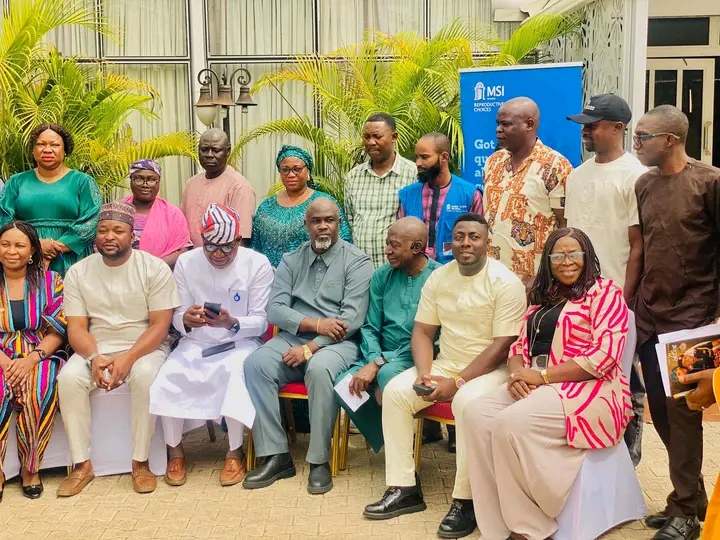
The Kogi State Ministry of Health, in collaboration with MSI Nigeria, convened a one-day stakeholders meeting on the Randomised Controlled Trials (RCT) project intervention in Lokoja on January 19, 2026. The meeting was inaugurated by the State Commissioner for Health, Dr. Abdul Azeez Adams Adeiza, represented by the Permanent Secretary, Momohjimoh Steve Azeez. Dr. Adeiza affirmed the ministry’s commitment to transparency and strict adherence to ethical standards.
He highlighted that adopting a Randomised Controlled Trials approach is a significant step in strengthening the health system, describing it as the gold standard for evaluating the effectiveness of public health interventions. Dr. Adeiza emphasized that RCTs provide credible, scientific, and unbiased evidence that informs policy formulation, resource allocation, and program implementation.
The Commissioner stressed that the project is not merely a research exercise but a collaborative effort requiring active involvement from policymakers, program managers, healthcare workers, development partners, community leaders, and beneficiaries. He commended the development partners, MSI Nigeria’s technical teams, and all stakeholders for organizing the meeting in Kogi State and pledged to ensure the success of the intervention.
In her remarks, Mrs. Patience Otache, Regional Manager, North Central, MSI Nigeria Reproductive Choices, stated that MSI Nigeria Reproductive Choices is a social enterprise focused on improving access to reproductive healthcare services in Nigeria. She explained that Kogi and Niger States were selected for the intervention due to the high rates of reproductive health cases in these areas. Mrs. Otache noted that the goals and objectives of the intervention are to increase access to quality family planning services.To reduce unintended pregnancies and improve health outcomes, the Director of Community Health Services at the Kogi State Primary Health Care Development Agency, Dr. Abdullahi Onimisi, emphasized the importance of stakeholder engagement for the success of the RCT intervention in the state. He advocated for adequate mobilization, ethical compliance, community sensitization, and effective implementation.
Dr. Emmanuel Bola Jonathan, the State SWAP Coordinator, called for sustained advocacy to ensure the intervention’s success and commended the MSI team for selecting Kogi for the research. Additionally, Mrs. Salamatu Onize, the Executive Secretary of the Kogi State Drugs and Medical Supplies Management Agency, highlighted the necessity of increased advocacy and community support outreach to enhance family planning services in the state.
The meeting proceeded with technical sessions covering topics such as the roles of government stakeholders and MSIN staff in the RCT projects, group discussions on risk identification and mitigation strategies, presentations on identified risk strategies, and stakeholders’ roles in risk monitoring, mitigation, and reporting.