
By Salawu Nneka Patience
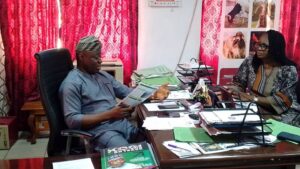
The Commissioner for Agriculture, Timothy Ojomah, has called on the Federal Government to intensify efforts toward dredging the River Niger and constructing additional dams to mitigate flooding across the country.
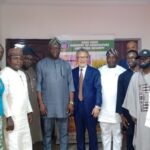
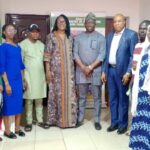
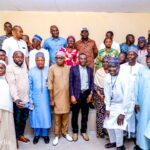
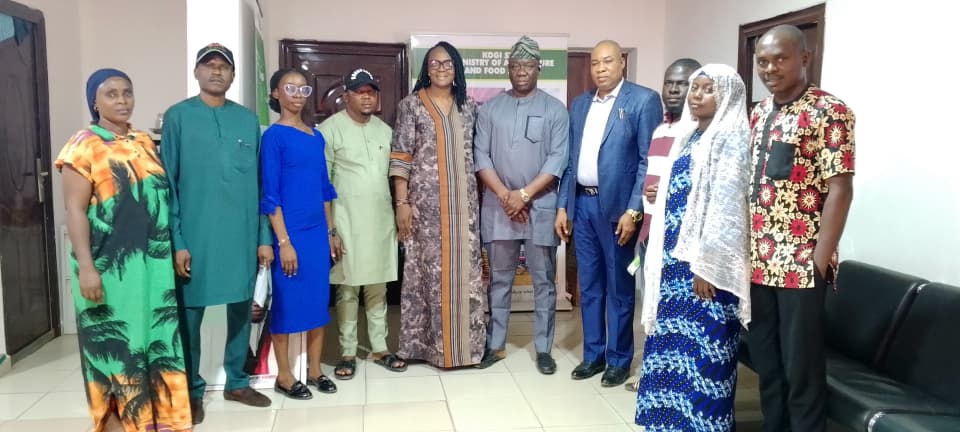
Ojomah made the call while receiving a coalition of non-governmental organisations Challenged Parenthood Initiative (CPI), Heinrich Böll Stiftung (HBS), and Arctic Infrastructure (AI) during an advocacy visit to the Kogi State Ministry of Agriculture.
He described flooding as a major environmental threat affecting many communities nationwide and emphasised the need for collective action. On the issue of Internally Displaced Persons (IDPs), he noted that the state government is proposing the construction of a permanent IDP camp in Ganaja and other flood prone areas in the state under the supervision of the Deputy Governor to prevent the disruption of academic activities during flood emergencies, noting that such gesture would permanently put to rest shelters issues during crisis periods expecially, flooding.
During the visit, the coalition presented the Ganaja Charter of Demands and Flood Resilience Action Plan (2025) and urged the state government to urgently address the worsening humanitarian conditions of IDPs in Ganaja community following recurrent flooding.
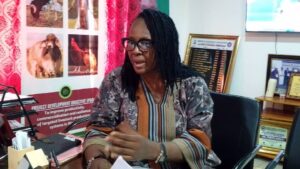
The Executive Director of CPI, Eunice Abimbola Agbogun, highlighted the devastating impact of annual flooding on livelihoods, infrastructure, and social services, stressing that women, children, and persons with disabilities are the most affected.
She explained that Ganaja’s proximity to the River Niger has continually exposed the community to recurring floods, with limited access to healthcare and social protection services worsening the vulnerability of residents. According to her, the absence of effective erosion control systems and flood management infrastructure has led to the displacement of hundreds of households every year.
Agbogun further noted that frequent flooding disrupts education, healthcare delivery, and commercial activities, while the lack of safe shelters and adequate flood control measures amplifies risks during emergencies.
She disclosed that the Ganaja community, with technical support from HBS, AI, and CPI, co-developed the Charter of Demands through participatory workshops conducted between 2024 and 2025. The document reflects priorities identified through extensive community consultations and technical assessments and outlines urgent infrastructure, social service, and environmental resilience needs aimed at reducing flood exposure and strengthening long-term safety and livelihoods.
Key demands outlined in the charter include the rehabilitation of Nyama Nyama Road, provision of a functional primary healthcare centre, improved welfare support for IDPs, dredging of waterways, construction of additional dams, and access to potable water.
She called on the Ministry of Agriculture to strengthen collaboration with civil society organisations, particularly as the rainy season approaches.
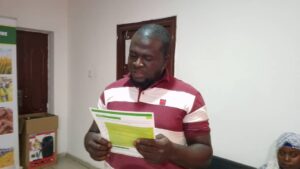
Speaking on behalf of the IDPs, Umar Abdulkadir raised concerns over the poor living conditions in temporary camps, citing limited access to shelter, clean water, sanitation and hygiene materials, food, and other essential non-food items. He noted that many displaced families are living in harsh conditions with minimal access to basic services.
Abdulkadir also pointed out that the use of schools as temporary shelters has disrupted academic activities, negatively affecting children’s education. He added that inadequate shelter, WASH materials, and food supplies have increased health risks, protection and security concerns, malnutrition, and loss of dignity among displaced persons.
He further appealed for improved water transportation and safety measures within and around Ganaja community, including the provision of life jackets and speedboats. In addition, he called for post-flood livelihood support, economic empowerment programmes, and an inclusive monitoring framework involving community members, civil society, and the media to promote transparency and accountability.
Responding, the Permanent Secretary of the Ministry of Agriculture, Moses Dare, expressed the ministry’s readiness to collaborate with the organisations to address the challenges and reaffirmed the administration’s commitment to improving citizens’ welfare.