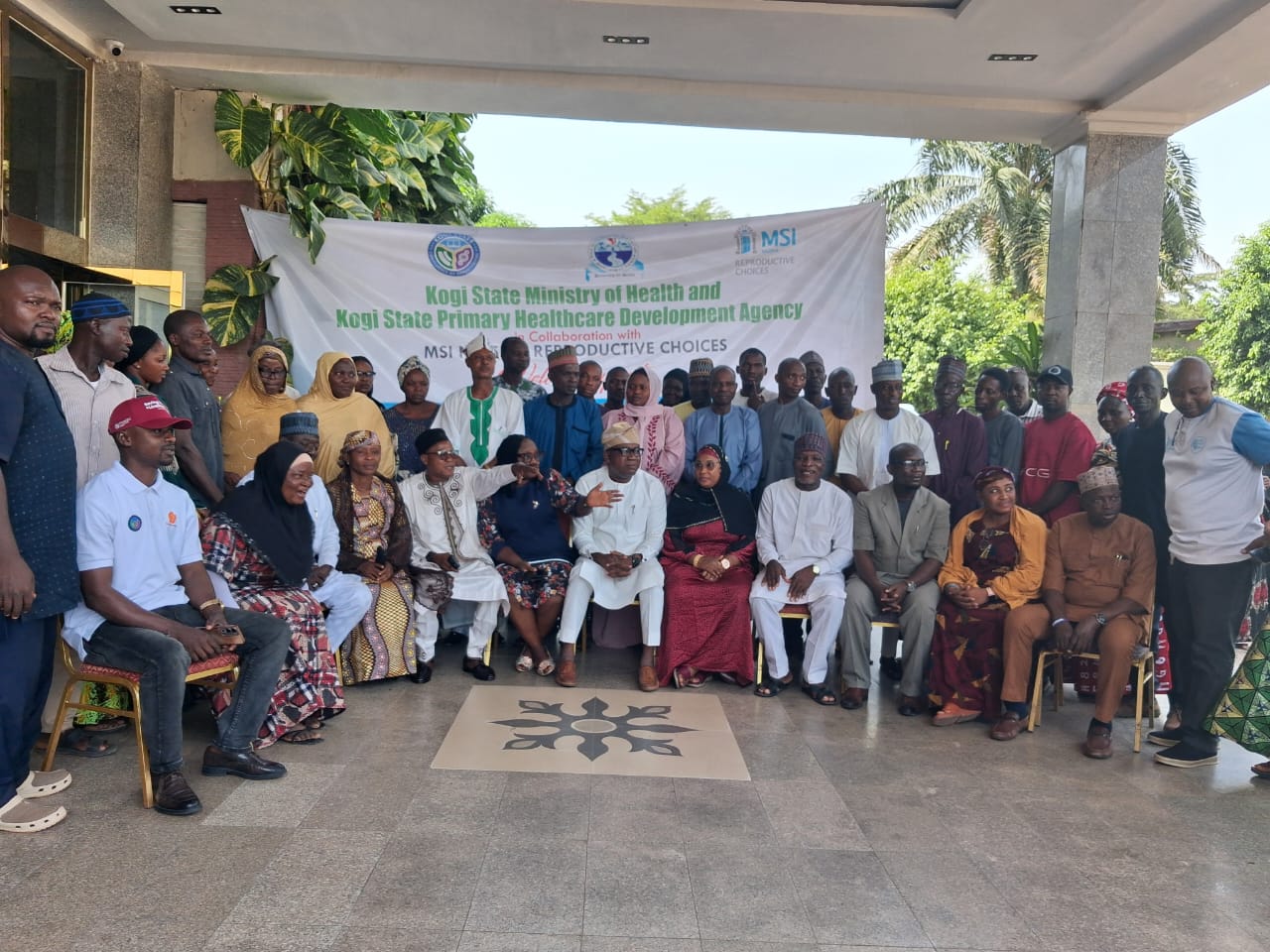
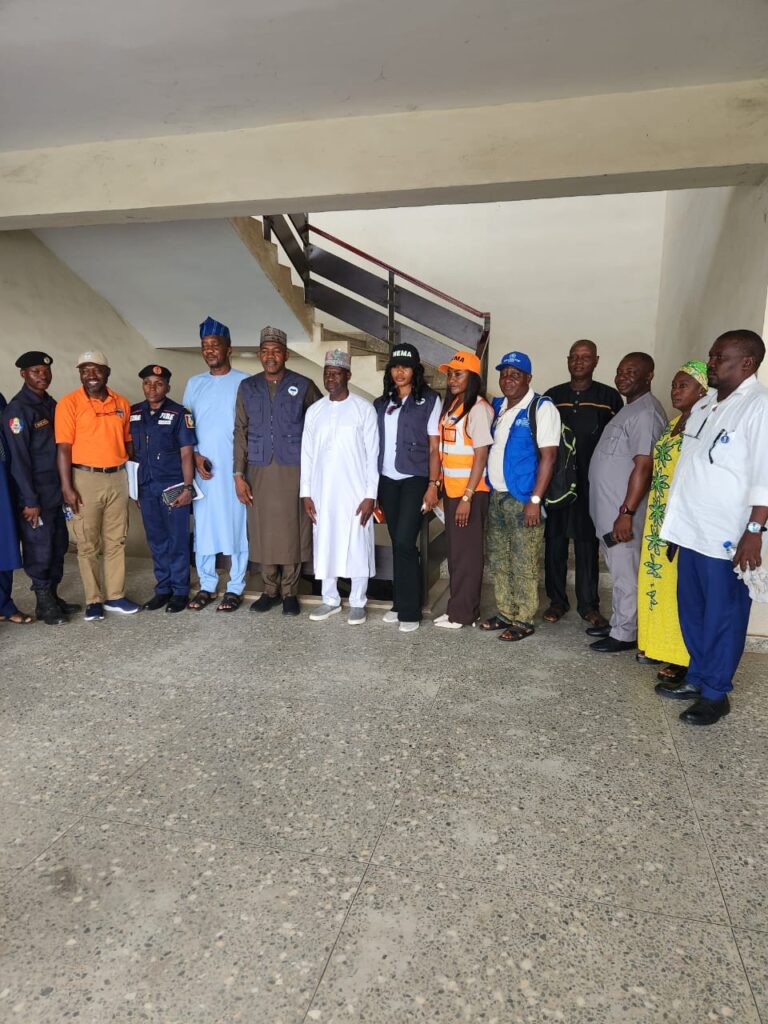
By Rotimi Odofin The Kogi State Government, through its Ministry of Health, has launched a cascade training program for traditional and religious leaders on the VCAT framework. The Commissioner for Health, Dr. Abdulazeez Adams, was represented by the Permanent Secretary of the Ministry, Mr. Momoh Steven Aziz, at the program's inauguration in Lokoja. The training aims to enhance collaboration between government institutions and community leadership structures. Effective governance flourishes when government and community leaders collaborate, guided by mutual respect and shared objectives. By fostering stronger partnerships with key stakeholders, the Ministry of Health and the State Government can ensure that policies and programs are people-centered, culturally sensitive, and sustainable. Mr. Aziz expressed that the gathering is both timely and strategic. Traditional and religious leaders are the most trusted voices within various communities in the state. As community gatekeepers, their influence in shaping values, beliefs, and behaviors is significant. The Commissioner emphasized that the success of government policies and health interventions largely depends on the understanding, acceptance, and support at the community level. The Permanent Secretary highlighted that the cascade training is designed to deepen participants' understanding of the VCAT framework and its role in promoting community well-being and social cohesion. He reaffirmed that the VCAT framework offers a structured approach to identifying vulnerabilities, addressing socio-cultural and religious barriers, and promoting inclusive access to essential services. Many challenges in service uptake—whether in health, social protection, or development programs—are rooted in deeply held beliefs, traditions, and misconceptions. Through this training, …