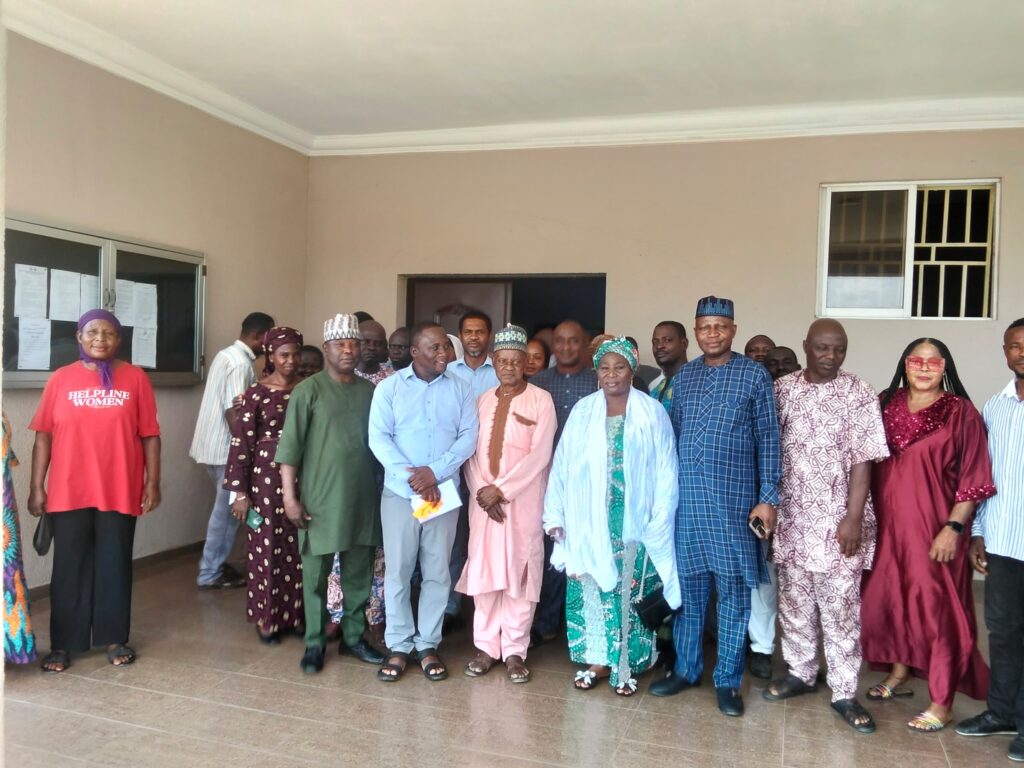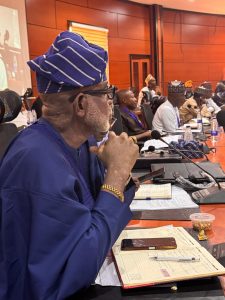
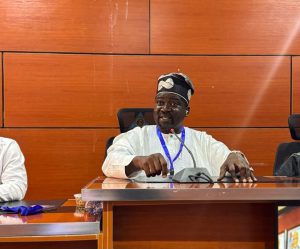
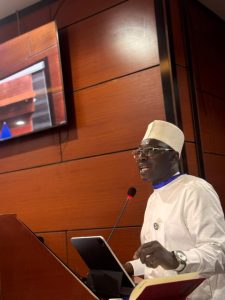
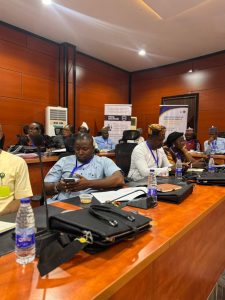
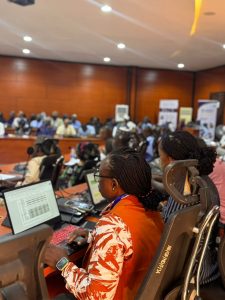
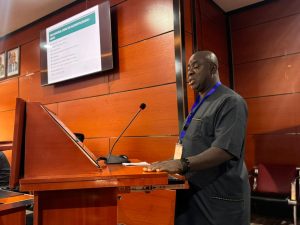
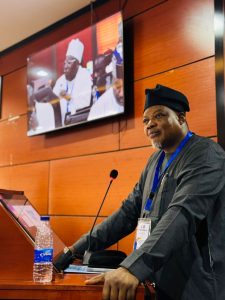
The ongoing three-day intensive training organised by the Kogi State Ministry of Finance, Budget and Economic Planning in collaboration with Safegate Consulting Limited continued with a comprehensive paper presentation on the State’s 32-Year Development Plan, providing participants with deeper insight into the long-term plan shaping Kogi’s growth from 2024 to 2056.
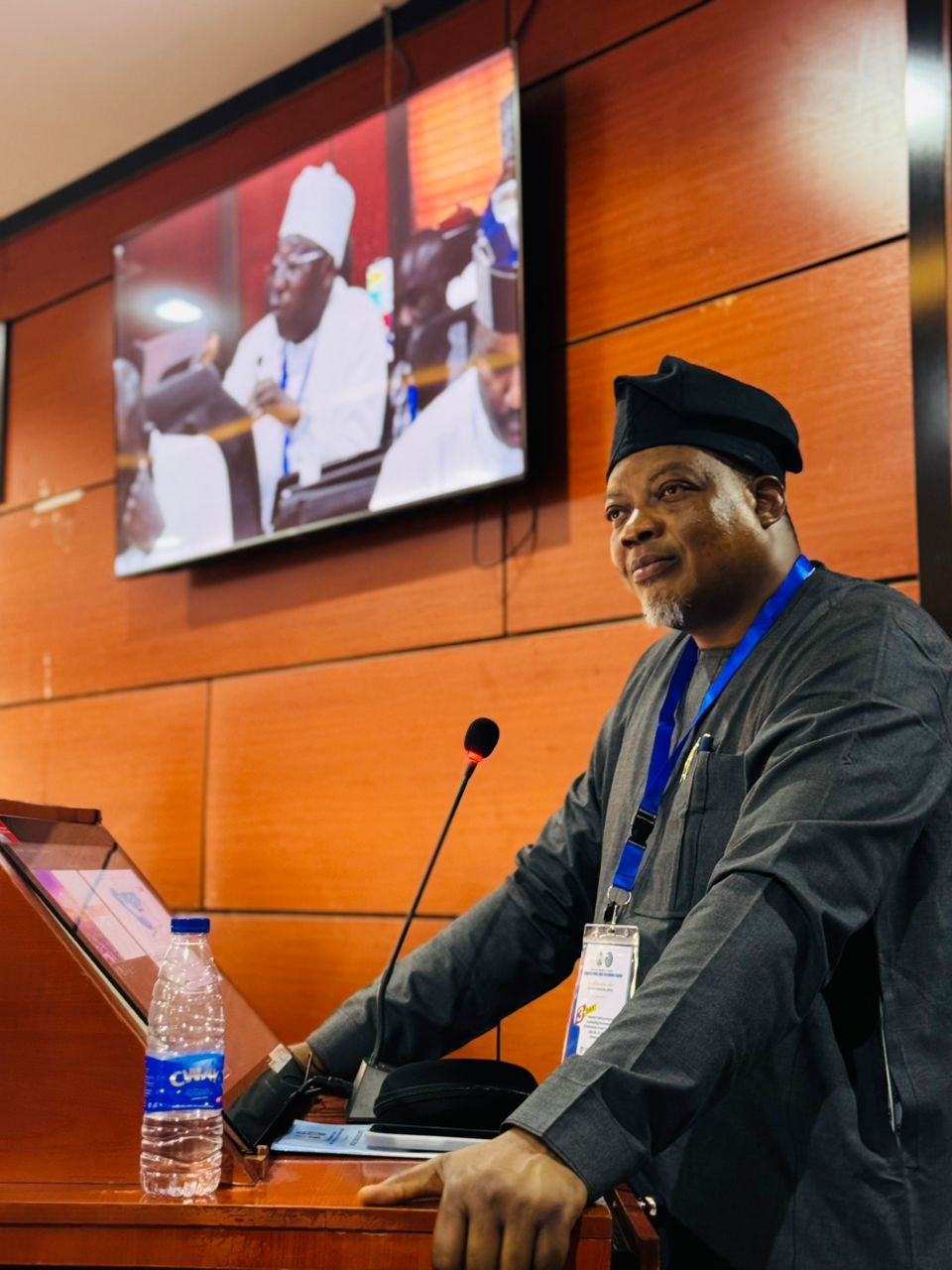
Presenting on the topic “Understanding the 32-Year Development Plan,” development experts Mr. Audu Ajanaku and Mr. Francis Onyilo explained the structure, pillars, and implementation strategy of the document which defines the State’s future direction across governance, economy, and human capital.
According to the presenters, the Development Plan is a multi-decade framework designed to guide policy execution and reforms over a 32-year period. The Plan is organised into five major parts, beginning with “The State of Kogi”, a baseline assessment of demographics, economy, and challenges and ending with “Paper to Reality,” a section dedicated to implementation arrangements, institutional roles, and pathway to sustainable execution.
They highlighted that the entire Plan is anchored on three critical pillars of growth:
1. Fostering Prosperity With emphasis on economic drivers such as Agriculture, Business, and Mining, this pillar targets job creation, increased productivity, and wealth generation.
2. Building Resilience Focused on human capital and essential services, including Education, Health, and Infrastructure, this pillar seeks to enhance social welfare, improve learning and health outcomes, and ensure durable infrastructure systems.
3. Providing Direction – Covering Governance, Finance, Security, Law, and Justice, this pillar aims to strengthen institutions, entrench transparency, and foster a safe and well-regulated socio-economic environment.
A key highlight of the presentation was the Plan’s Monitoring and Evaluation (M&E) Framework, described as one of the most robust ever developed for the State. It includes mechanisms for tracking project status, incorporating citizens’ feedback, rating performance, and ensuring accountability throughout implementation.
On financing, the presenters explained that the Plan adopts a hybrid funding model that combines traditional public financing (FAAC, IGR), external options (private sector and development partners), and futuristic instruments such as green bonds and digital currencies.
They noted that the expected outcome of the Plan is a more prosperous, resilient, and competitive Kogi State one that attracts investment, enhances human development, strengthens institutions, and delivers world-class infrastructure.
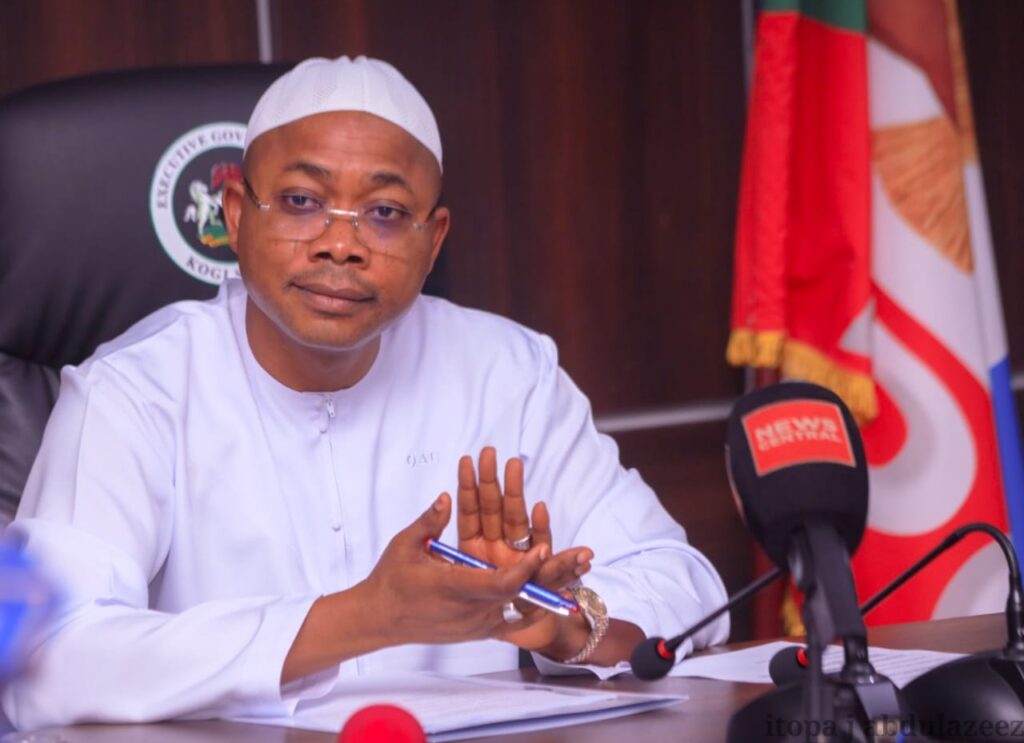
The presentation reinforced the earlier remarks of His Excellency, Governor Ahmed Usman Ododo, who at the opening of the training emphasised his commitment to positioning Kogi for sustainable long-term growth. The Governor noted that hosting the capacity-building programme outside the state was deliberate, and he expressed readiness to bear the cost because “what matters is for us to get the knowledge we need to move the State forward.”
Similarly, the Hon Commissioner for Finance, Budget and Economic Planning, Hon. Asiwaju Idris reaffirmed that the training plays a strategic role as the State prepares for the second stage of its long-term development agenda including the commencement of the Sector Plans, which will translate the 32-year vision into actionable, sector-specific programmes.
The Ministry noted that the insights from the paper presentation will further strengthen the capacity of key officers to align policies, budgets, and institutional reforms with the long-term vision of the State.
Princess Funsho Sumanu
Public Relations Officer
Ministry of Finance, Budget and Economic Planning